Education is the most powerful tool that we can use to change the world; these are the insightful words of Nelson Mandela.
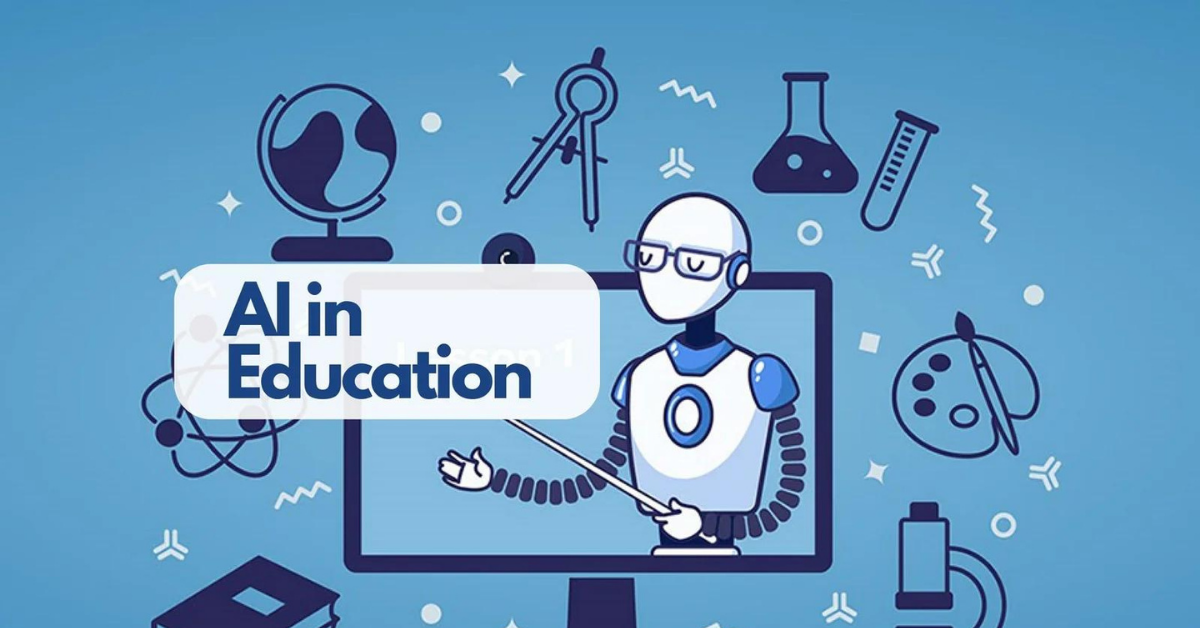
And we strongly believe that technology is the most powerful tool that can change the world of education.
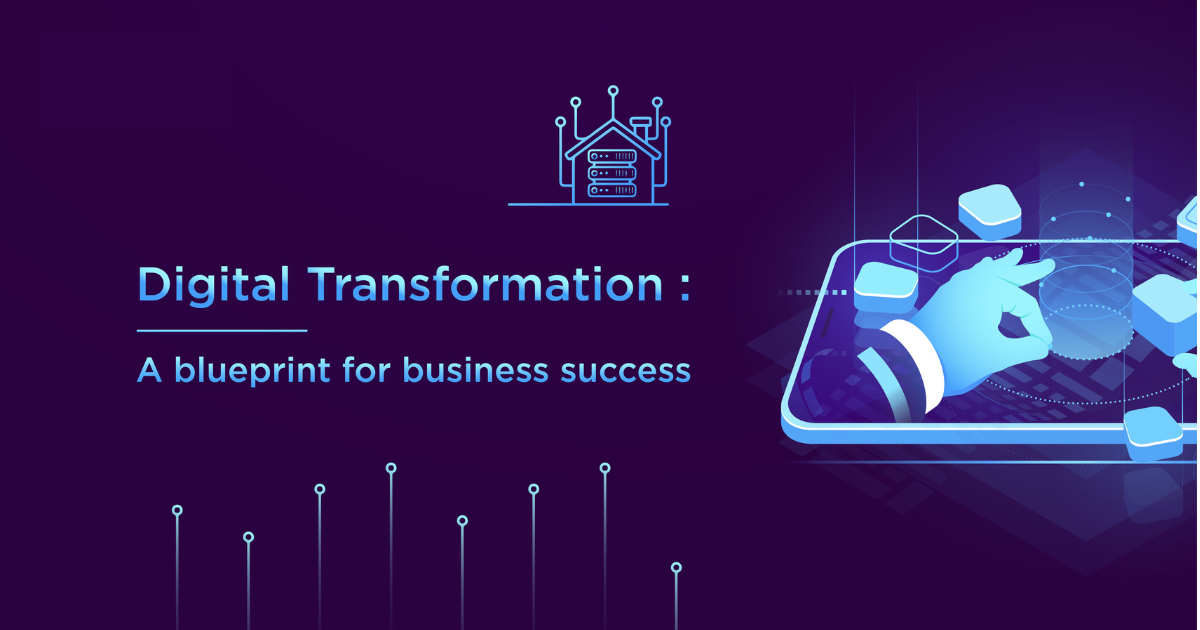
In the landscape of education, the integration of digital technology has emerged as a powerful catalyst for transformation. The digital revolution in education has brought about unprecedented changes, reshaping the way students learn, educators teach, and institutions operate. In this comprehensive guide, we delve into everything you need to know about digital transformation in education, exploring key concepts, benefits, challenges, and the future of learning.
Understanding Digital Transformation in Education
Digital transformation in education refers to the strategic use of digital technologies to enhance and redefine the teaching and learning experience. It goes beyond the mere adoption of technology and involves a fundamental shift in the educational paradigm, leveraging digital tools to improve efficiency, accessibility, and outcomes.
Key Components of Digital Transformation
E-Learning Platforms and Learning Management Systems (LMS)
Operational Efficiency in Institutions with Automation
Operational efficiency in institution management can be significantly enhanced through the integration of automation and digitalization, particularly through the implementation of a Student Information System (SIS). By leveraging an SIS alongside other automated processes, institutions can streamline operations and improve overall productivity. Here are some key points and descriptions highlighting how automation, digitalization, and the use of an SIS contribute to operational efficiency:
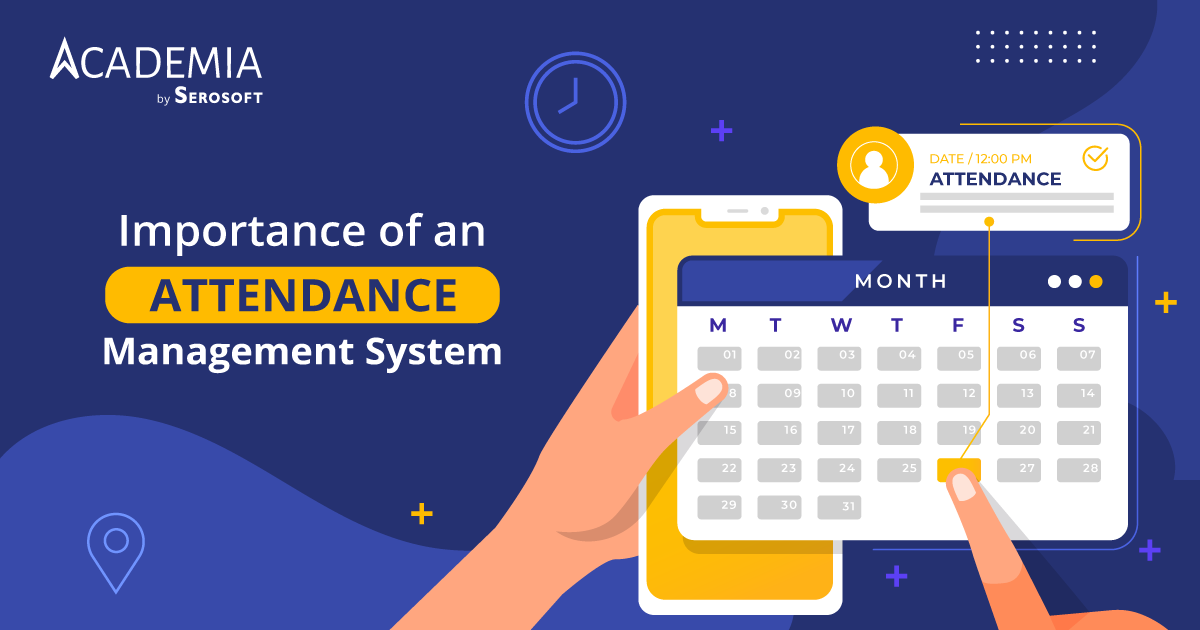
Streamlined Processes: The integration of an SIS automates various administrative tasks related to student records, such as admissions, registration, and grading. This streamlines processes and reduces manual data entry errors, allowing staff to focus on more critical responsibilities.
Academia ERP/SIS and its 40+ modules- starting from admission, examination, to placement & alumni, the entire student life cycle and processes around it can be streamlined immensely through automation. Furthermore, Academia ERP/SIS’s 400+ comprehensive reports & AI-based analytics can give a deep insight & boost to the institute’s ROI.
Improved Communication: An SIS often includes communication features that enable seamless interaction between students, faculty, and administrators. Through built-in messaging systems and notifications, communication becomes more efficient, fostering better collaboration and engagement.
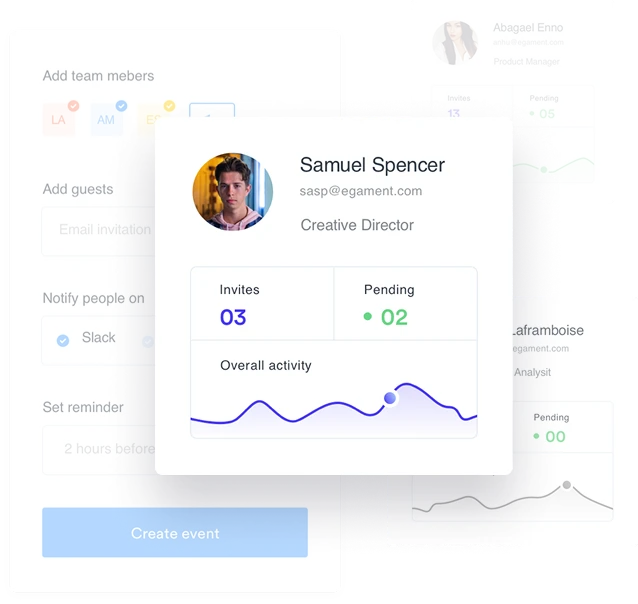
Academia ERP/SIS can help in enhancing communication amongst various publics of an institution in many ways- with Sera, the AI-based voice assistant in the mobile app, push notifications, emails, scheduled messages in-app, text messages, drive, Academia facilitates real-time sharing of important info and data.
Data-Driven Decision Making: An SIS collects and organizes vast amounts of student data, providing valuable insights for administrators. By leveraging analytics tools within the SIS, institutions can make data-driven decisions related to student performance, resource allocation, and curriculum planning, leading to more informed and effective strategies.
Academia ERP/SIS provides an in-depth view & insight into each & every function of the institution with its robust & comprehensive 400+ Reports. Furthermore, Academia has a dedicated Management Login- which gives higher-ups a bird’s eye view of the institute or the group of institutes at a single glance. They can plan the resource allocation & strategize with more accuracy & driven by data.
Enhanced Accessibility: With an SIS, students and faculty have access to important information anytime, anywhere. Online portals and mobile applications provide convenient access to course materials, grades, schedules, and other relevant information, promoting greater accessibility and flexibility.
Academia’s involvement in the development and implementation of SIS ensures that students and faculty can access vital information anytime, anywhere. Through the creation of user-friendly online portals and mobile applications, academia facilitates convenient access to course materials, grades, schedules, and other relevant information, thereby promoting greater accessibility and flexibility for all stakeholders.
Cost Savings: Implementing an SIS reduces the need for manual paperwork and administrative tasks, resulting in cost savings over time. By automating processes such as registration and enrollment, institutions can lower operational expenses and reallocate resources to areas that directly impact student success.
Academia’sAutomation via SIS leads to significant cost savings for institutions. By streamlining processes such as registration and enrollment, the need for manual paperwork and administrative tasks is reduced, resulting in lower operational expenses over time. These cost savings enable institutions to reallocate resources to areas that directly impact student success, enhancing overall efficiency and effectiveness. It gives a significant boost to the ROI, you can even try the ROI calculator – click here.
Scalability and Configurability: An SIS is designed to scale alongside the institution’s growth and evolving needs. As the student population expands or new programs are introduced, the system can accommodate increased workload and complexity, ensuring continued operational efficiency and effectiveness.
Academia’s expertise in SIS ensures that institutions have access to scalable and flexible solutions that can adapt to their evolving needs. As the student population grows or new programs are introduced, the SIS can accommodate increased workload and complexity seamlessly. This scalability and flexibility ensure that operational efficiency is maintained, allowing institutions to continue providing quality education and services regardless of changes in size or scope. Academia is highly configurable with other automation tools like KOHA, Moodle, Tally, etc. that have already been used by the institute.
Compliance and Risk Management: An SIS helps ensure compliance with regulatory requirements and data protection laws. By centralizing student data and implementing robust security measures, institutions can mitigate the risk of data breaches and non-compliance, safeguarding sensitive information and maintaining trust with stakeholders.
Academia ERP provides complete automation with strict compliance – it is VAPT-certified, GDPR compliant, & follows international standards on security & thus trusted by its 350 + clients across 26 countries.
Digitalization through a Student Information System is instrumental in enhancing operational efficiency in institution management. By streamlining processes, improving communication, harnessing data insights, and ensuring compliance, institutions can optimize their resources, enhance student experiences, and achieve their strategic goals more effectively.
Challenges in Implementing Digital Transformation
Conclusion
Digital transformation in education is a dynamic and ongoing process that holds the key to unlocking the full potential of learning. By embracing innovative technologies, educators, students, and institutions can create a future where education is accessible, personalized, and equipped to meet the challenges of tomorrow. As we navigate this transformative journey, it is essential to address challenges, foster inclusivity, and continually adapt to the ever-evolving landscape of digital education.
Frequently Asked Questions (FAQs)

Experience Academia – Your partner in transforming campus operations, a trusted all-in-one ERP/SIS solution.
Get the latest insights, trends, and updates delivered straight to your inbox!