

Type your keyword below

What Is Outcome-Based Education (OBE)?

The traditional education system, which prioritizes high scores over practical knowledge and skill acquisition, is becoming increasingly outdated. This approach is contributing to the growing problem of unemployment, as students are not being adequately prepared for the workforce. To address this issue, educational institutions must adopt an Outcome-Based Education (OBE) system, a modern approach that emphasizes actual learning outcomes rather than mere grades.
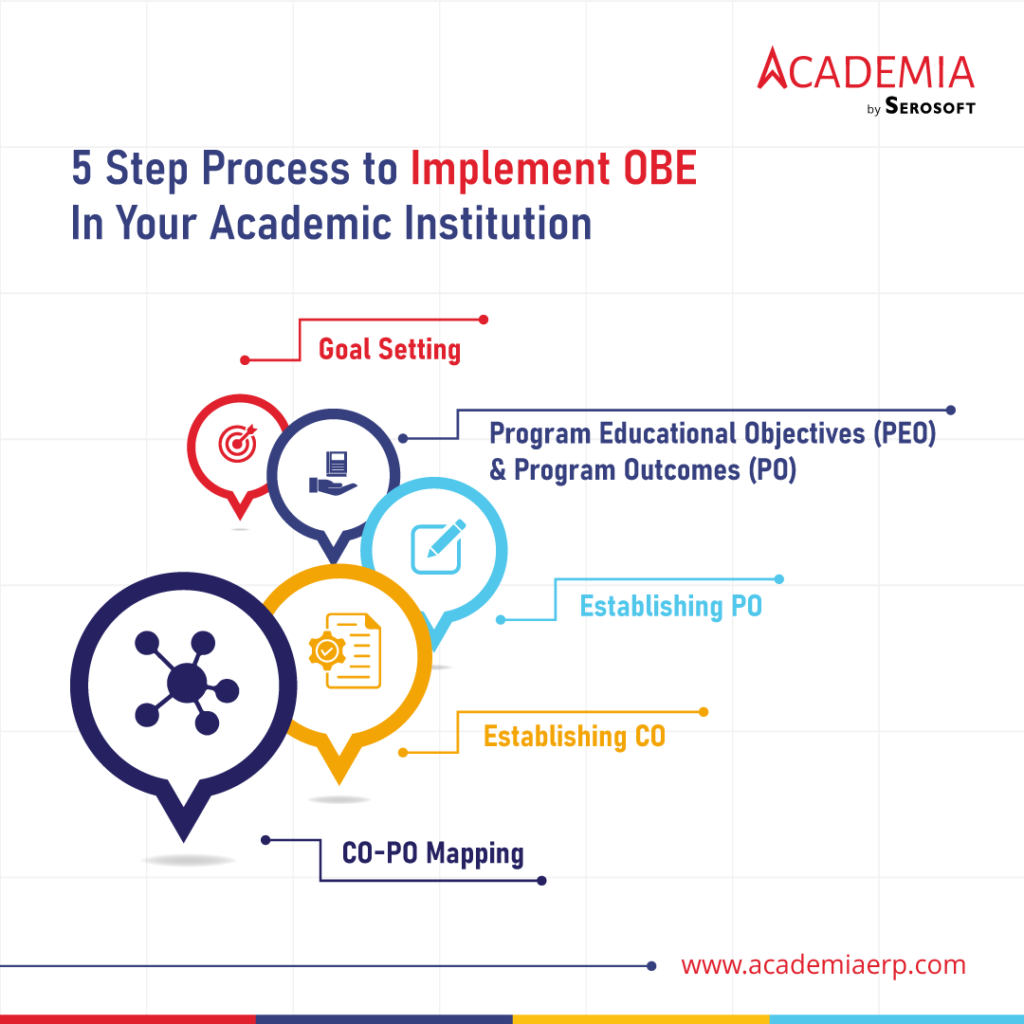

Understanding Outcome-Based Education

Outcome-Based Education (OBE) is a student-centric approach that focuses on the results of the learning process. In OBE, students are given clear objectives and are regularly evaluated on their progress towards meeting these goals. Personalized feedback is provided to help students understand how well they are achieving the desired outcomes. The primary aim of OBE is to establish clear expectations for both teachers and students regarding the skills, knowledge, and attitudes that students must acquire.

Transparency is a cornerstone of OBE. Unlike traditional systems that use curve grading, OBE requires students to meet specific standards to graduate. This allows educators the freedom to experiment with various teaching methodologies that best facilitate student learning.

Traditional Education System: A Comparison

The traditional education system, while once effective, now appears rigid and outdated. Originally designed to advance national progress, it now emphasizes rote learning and high grades over practical knowledge and skill development. While this system includes beneficial extracurricular activities that can boost students’ self-esteem and confidence, it primarily focuses on academic performance rather than real-world application of knowledge.

In contrast, OBE seeks to transform education into a flexible and adaptive system. It prioritizes practical skills and competencies over memorization, aiming to prepare students for real-world challenges.

Outcome-Based Education vs. Traditional Education

When comparing Outcome-Based Education with the traditional education system, several key differences emerge. OBE emphasizes mastering specific outcomes that are deemed essential by the community for adult life. It shifts the focus from standardized school provisions to an individualized learning approach that highlights measurable standards and student development.

OBE prioritizes the development of critical thinking and competencies over the ability to memorize facts. This system uses assessments of student performance to gauge success, rather than relying on class averages or the performance of top students. This ensures a more holistic development of students, equipping them with the skills necessary for their future careers.

Academia ERP and Outcome-Based Education

Academia ERP is a comprehensive cloud-based educational system that integrates Student Information System (SIS) and many other systems to support Outcome-Based Education. This framework is designed to help institutions incorporate modern learning concepts into their daily operations, available on both web and mobile platforms.

Click here to learn more about OBE in Academia.

Academia ERP’s mission is to enhance the educational experience by making it more engaging and effective. The solution helps institutions fully digitize their processes, simplifying operations and ensuring a smooth implementation of OBE. Academia ERP’s facilitates the management and execution of OBE, helping educators create a positive and productive learning environment.

By adopting systems like Academia ERP, educational institutions can transition from traditional methods to a more effective OBE approach, better-preparing students for the demands of the modern world.


Streamlining Admissions: Student Enrollment Software Solutions for African Universities

Introduction

In today’s fast-paced educational landscape, African universities face numerous challenges in managing the admission process. From handling a large volume of applications to ensuring a smooth enrollment experience for students, an efficient and comprehensive student enrollment software solution is paramount. Academia ERP by Serosoft stands out as a transformative tool that can revolutionize the admission process for African universities.

1. Efficient Application Management

Managing thousands of applications manually can be overwhelming and prone to errors. Academia ERP provides a streamlined application management system that allows universities to handle and process applications efficiently.

How Academia ERP Helps:

  • Automates Data Collection and Organization: By digitizing the application process, Academia ERP ensures that all application data is collected in a standardized format, reducing discrepancies and errors.
  • Facilitates Tracking and Management: University staff can easily monitor the status of each application, ensuring that every application is noticed and completed.
  • Reduces Administrative Workload: By automating repetitive tasks, staff can focus on more strategic activities, improving overall efficiency.

2. Simplified Document Handling

The submission and verification of documents are crucial steps in the admission process. Handling these manually can be cumbersome and inefficient.

How Academia ERP Helps:

  • Digital Submission Platform: Applicants can upload their documents directly to the system, eliminating the need for physical submissions and reducing paperwork.
  • Secure Storage and Easy Retrieval: Documents are securely stored in a centralized digital repository, making it easy for staff to access and review them as needed.
  • Automated Verification Process: The system can automatically verify specific document criteria, such as completeness and format, streamlining the verification process.

3. Enhanced Communication with Applicants

Effective communication keeps applicants informed and engaged throughout the admission process.

How Academia ERP Helps:

  • Automated Communication Tools: Academia ERP can send automated emails and SMS updates to applicants, informing them about their application status.
  • Real-Time Updates: Applicants receive instant notifications about changes or updates to their application, reducing uncertainty and anxiety.
  • Centralized Query Platform: Applicants can easily submit queries and receive responses through a single platform, ensuring consistent and timely communication.

4. Data-Driven Decision Making

Making informed decisions based on accurate data is vital for a successful admission process. Academia ERP offers robust data analytics and reporting features.

How Academia ERP Helps:

  • Detailed Reports: The system generates comprehensive reports on application trends, helping universities understand their applicant pool and make data-driven decisions.
  • Candidate Identification: By analyzing application data, universities can identify the most suitable candidates based on predefined criteria, improving the quality of admissions.
  • Strategic Insights: The data insights from Academia ERP can inform future admission strategies, helping universities attract and enroll the best students.

5. Seamless Integration with Other Systems

Universities often use multiple systems for different functions. Ensuring seamless integration between these systems is crucial for a smooth workflow.

How Academia ERP Helps:

  • Easy Integration: Academia ERP can integrate with other university systems such as finance, HR, and learning management, ensuring a unified operational environment.
  • Data Sharing: The system facilitates seamless data sharing across different departments, reducing data silos and improving coordination.
  • Cohesive Operations: By integrating various functions, the university can ensure a more cohesive and efficient operational workflow, enhancing overall productivity.

6. Improved Applicant Experience

A smooth and user-friendly application process enhances the overall experience for applicants, increasing the likelihood of them choosing your university.

How Academia ERP Helps:

  • Intuitive Application Portal: The online application portal is designed to be user-friendly, with clear instructions and guidance to help applicants navigate the process.
  • Simplified Application Process: The system simplifies the application process, reducing the steps and time required to complete an application.
  • Real-Time Tracking: Applicants can track their application status in real-time, providing transparency and reducing anxiety.

7. Scalability and Customization

As universities grow, their needs and requirements evolve. Academia ERP is designed to scale and adapt to these changes.

How Academia ERP Helps:

  • Scalable Solutions: The system can accommodate increasing applications and users, ensuring it remains effective as the university grows.
  • Customizable Features: Academia ERP can be customized to meet each institution’s specific needs and preferences, ensuring it aligns with their unique processes and goals.
  • Future-Proofing: By providing scalable and customizable solutions, Academia ERP ensures that the system remains relevant and effective over time, adapting to changing needs and technological advancements.

Read the Case study to know further- https://www.academiaerp.com/case-studies/case-study-false-bay-college-muizenberg-south-africa/

Conclusion

Streamlining admissions is crucial for African universities aiming to enhance their operational efficiency and provide a better experience for applicants. Academia ERP by Serosoft offers a comprehensive solution that addresses every aspect of the admission process, from application management to data-driven decision-making. By leveraging Academia ERP, universities can ensure a smoother, more efficient, and more successful admission process, ultimately attracting and enrolling the best students.

Back to top