
Webinar Alert: What Nobody Tells You About AI in Higher Education | Thursday | 8th Oct 26

X

Type your keyword below

Managing Multiple Colleges in Multiple Cities with Academia ERP/SIS

Building a Unified Digital Infrastructure

Introduction

Managing multiple colleges across various cities can be daunting in today’s rapidly evolving educational landscape. Institutions must ensure consistent quality, streamline administrative processes, and maintain effective communication channels. One of the most powerful solutions to address these challenges is implementing a centralized system like Academia ERP/SIS. This blog post will explore the benefits of using Academia ERP/SIS as a unified digital infrastructure for managing multiple colleges in multiple cities.

  • Centralized Data Management

Managing data across multiple colleges can be complex and time-consuming. With Academia ERP/SIS, institutions can centralize their data management, allowing easy access to critical information, such as student records, faculty details, course offerings, and financial data. Centralized data management leads to improved data accuracy, consistency, and security, ultimately enhancing decision-making processes and overall institutional efficiency.

  • Streamlined Administrative Processes

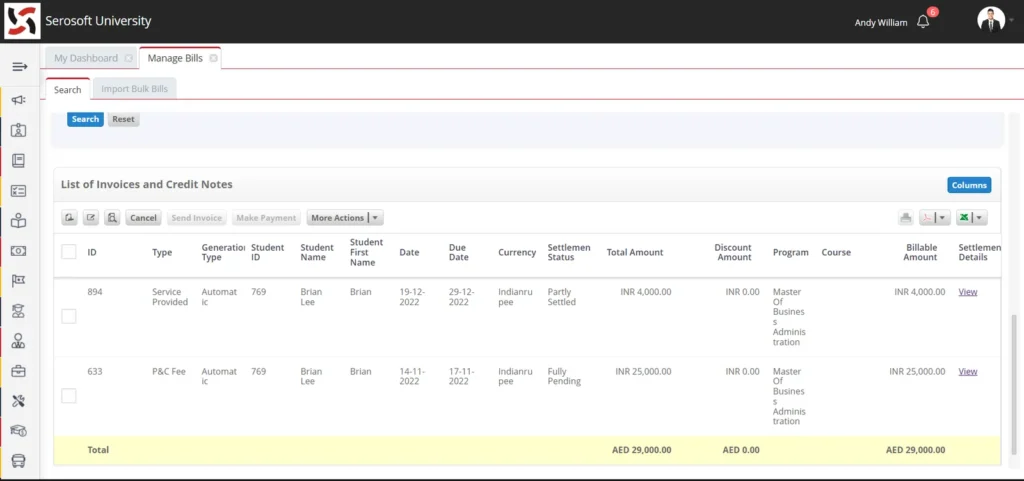
Academia ERP/SIS can help institutions automate various administrative tasks, such as enrollment, course registration, attendance tracking, and fee management. By automating these processes, institutions can save time, reduce human error, and ensure a consistent experience for students and staff across all locations. Streamlined administrative processes also allow institutions to allocate resources more effectively and focus on strategic initiatives to drive growth and success.

  • Enhanced Collaboration and Communication

A centralized system like Academia ERP/SIS can facilitate seamless collaboration and communication among faculty, students, and staff across multiple colleges. Institutions can foster a more cohesive learning environment and strengthen their academic community by providing a unified platform for sharing information, resources, and best practices. Enhanced collaboration and communication can also lead to the developing of innovative and interdisciplinary programs, further boosting the institution’s reputation and attractiveness.

  • Simplified Reporting and Analytics

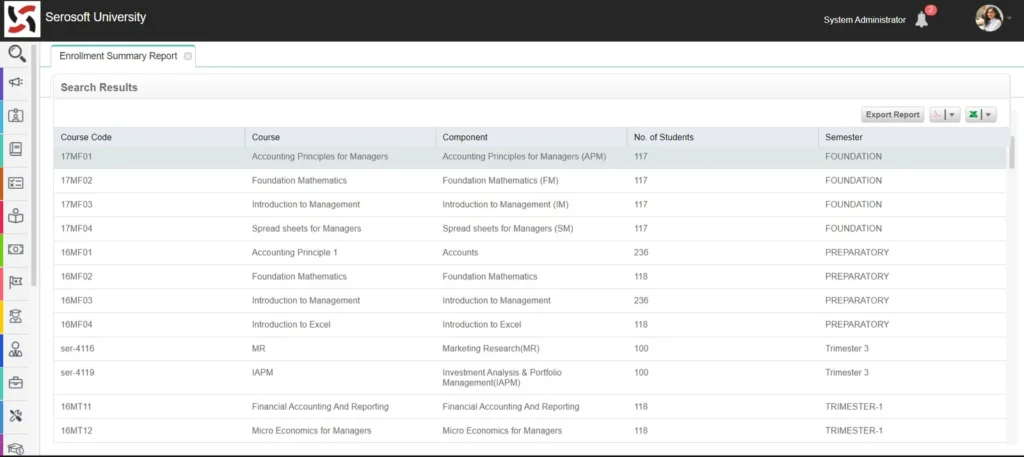
Implementing Academia ERP/SIS enables institutions to access real-time data and generate comprehensive reports on their operations, such as student performance, enrollment trends, and financial performance. With simplified reporting and analytics, institutions can make more informed decisions and identify areas for improvement, leading to more effective management and strategic planning across all colleges.

  • Consistent Student Experience

A centralized system like Academia ERP/SIS ensures that students receive a consistent experience, regardless of the college or city they are studying in. This consistency can lead to increased student satisfaction, better retention rates, and a stronger reputation for the institution. In addition, a unified platform can help institutions better understand student needs and preferences, enabling them to tailor their offerings and support services accordingly.

  • Scalability and Flexibility

Academia ERP/SIS is designed to grow with your institution, providing the scalability and flexibility to manage multiple colleges across various cities. As your institution expands, the centralized system can easily adapt to accommodate new locations, courses, and programs. This scalability and flexibility allow institutions to remain agile and responsive to changing market conditions and student needs.

  • Cost-Efficiency

Investing in a centralized system like Academia ERP/SIS can save significant costs for institutions managing multiple colleges. Institutions can achieve greater cost-efficiency and strategically allocate resources by streamlining processes, reducing administrative burdens, and eliminating the need for multiple standalone systems.

Conclusion

Managing multiple colleges in multiple cities can be a complex and challenging endeavor. By implementing a centralized system like Academia ERP/SIS, institutions can build a unified digital infrastructure that streamlines processes, enhances collaboration, and drives efficiency. Embracing Academia ERP/SIS as a core component of your institution’s digital transformation strategy can improve outcomes, greater student satisfaction, and long-term success in an increasingly competitive higher education landscape.


Meeting Student Expectations: Future Readiness Preparation

Empowering Student Preparation: The Role of Student Information Systems

Introduction

As the world of work continues to evolve, students are increasingly looking to their higher education institutions for guidance and support in preparing for the future. Institutions must understand what students want from future readiness preparation and how they can effectively leverage Student Information Systems (SIS) to address these needs. In this article, we will explore the key aspects of future readiness preparation that students desire and how implementing a modern SIS can help institutions meet these expectations.

  • Personalized Career Guidance and Support

Students seek tailored career guidance and support to help them navigate the complex and ever-changing job market. SIS can assist institutions in providing personalized advice by collecting and analyzing data on students’ interests, skills, and academic performance. This information can then be used to create individualized career plans, recommend suitable courses and extracurricular activities, and connect students with relevant internship and job opportunities.

  • Real-World Skills Development

In addition to traditional academic knowledge, students want to develop the real-world skills required for success in their chosen careers. SIS can help institutions identify skill gaps and develop targeted programs and initiatives to address them. By tracking student progress and outcomes, institutions can continuously refine their offerings to ensure they remain relevant and effective in preparing students for the future.

  • Enhanced Collaboration and Networking Opportunities

Students are increasingly aware of the importance of networking and collaboration for career success. A modern SIS can facilitate collaboration and networking by enabling institutions to create online communities, discussion forums, and platforms for students to connect with their peers, alumni, and industry professionals. This technique can help students build valuable relationships, exchange ideas, and access resources to support their future readiness preparation.

  • Access to Mentorship and Professional Development

Mentorship and professional development opportunities are essential for students as they prepare for their future careers. SIS can support institutions in connecting students with suitable mentors, both from within the institution and from external industry professionals. In addition, SIS can help institutions track and manage professional development events, workshops, and training sessions to ensure students have access to the resources they need to grow and succeed.

  • Exposure to Industry Trends and Insights

To be adequately prepared for the future, students need to stay informed about the latest trends and developments in their chosen industries. By integrating external data sources and platforms, SIS can help institutions provide students with up-to-date industry information. This approach can enable institutions to offer tailored content, resources, and events to help students stay ahead of the curve and make informed decisions about their future careers.

  • Comprehensive Support for International Students

For many international students, preparing for the future involves navigating the complexities of studying and working in a new country. SIS can assist institutions in providing comprehensive support for international students by streamlining visa processing, managing compliance requirements, and offering tailored resources and services to address their unique needs and challenges.

Conclusion

Understanding and addressing what students want from future readiness preparation is crucial for higher education institutions to remain competitive and relevant. By leveraging the power of modern Student Information Systems, institutions can effectively provide personalized career guidance, real-world skills development, collaboration and networking opportunities, mentorship and professional development, industry insights, and comprehensive support for international students. By doing so, institutions can help students prepare for the future and attract and retain top talent, ultimately contributing to their long-term success.

Next-Generation Student Information Systems Explained

Introduction

Institutions must continuously adapt and innovate to succeed strategically in an increasingly competitive higher education landscape. One of the most effective ways to do this is by adopting modern Student Information Systems (SIS). These advanced platforms, including improved efficiency, data-driven decision-making, and enhanced student experiences, can benefit higher education institutions. This blog post delves into the advantages of adopting modern higher ed SIS and how they can help institutions find strategic success.

  • Streamlining Administrative Processes

One of the primary benefits of adopting a modern SIS is the streamlining of administrative processes. A robust SIS can automate student enrollment, course registration, grade management, and financial aid processing tasks. By eliminating manual processes and reducing the risk of human error, institutions can save time, reduce costs, and focus on more strategic initiatives to drive success.

  • Enhancing Data-Driven Decision Making

Modern higher-ed SIS platforms allow institutions to collect, analyze, and visualize vast amounts of data from various sources. This information can be leveraged to make data-driven decisions on crucial aspects of institutional operations, such as resource allocation, program development, and student support services. By embracing data-driven decision-making, institutions can improve their effectiveness and efficiency, leading to better outcomes and strategic success.

  • Improving Student Experience and Engagement

A modern SIS can significantly enhance the student experience by offering user-friendly online portals and mobile apps to access essential information and services. This approach to increased accessibility and convenience can lead to higher levels of student engagement and satisfaction, ultimately contributing to improved retention rates and overall success. Additionally, SIS platforms can help institutions better understand student preferences and needs, allowing them to tailor their offerings and support services accordingly.

  • Supporting Strategic Enrollment Management

Strategic enrollment management is crucial for higher education institutions to achieve enrollment goals and maintain financial sustainability. Modern SIS platforms can aid institutions in developing data-driven enrollment strategies by providing insights into applicant demographics, academic performance, and other factors. By leveraging this data, institutions can more effectively target their marketing efforts, identify areas for improvement, and develop initiatives to attract and retain students.

  • Fostering Collaboration and Partnerships

In today’s interconnected world, collaboration and partnerships between higher education institutions are essential to drive innovation and share resources. Modern SIS platforms can facilitate these collaborations by enabling institutions to share data, insights, and best practices and co-create joint programs and initiatives. By fostering collaboration and partnership, institutions can expand their reach, improve their offerings, and achieve greater strategic success.

  • Promoting Diversity and Inclusion

Modern SIS platforms can help institutions in their efforts to promote diversity and inclusion. Institutions can identify underrepresented populations and develop targeted recruitment and retention initiatives by providing insights into student demographics and enrollment patterns. By advertising diversity and inclusion, institutions can attract a broader range of students and create a more enriching learning environment, contributing to overall strategic success.

  • Enhancing Institutional Agility and Responsiveness

Institutions must be agile and responsive in the ever-changing landscape of higher education to stay ahead of the competition. Adopting a modern SIS can help institutions become more agile by providing real-time data and insights that enable them to quickly adapt their strategies and offerings in response to emerging trends and challenges. This way, increased agility, and responsiveness can improve outcomes and long-term strategic success.

  • Strengthening Compliance and Reporting

Higher education institutions must comply with various regulations and reporting requirements at the local, state, and federal levels. Modern SIS platforms can simplify compliance and reporting processes by automating essential data collection, storage, and submission. By streamlining these processes, institutions can reduce the risk of non-compliance, minimize administrative burdens, and free up resources to focus on more strategic initiatives.

  • Supporting Student Success and Retention

Attracting and enrolling students is just one part of the equation; institutions must also focus on student success and retention to achieve long-term strategic success. A modern SIS can play a critical role in this area by providing institutions with the tools to monitor student progress, identify at-risk individuals, and develop targeted support programs. By leveraging the power of SIS to support student success, institutions can improve retention rates, enhance their reputation, and attract more students in the long run.

  • Facilitating Continuous Improvement and Innovation

Finally, adopting a modern SIS can help institutions foster a culture of continuous improvement and innovation. By providing ongoing access to data, insights, and performance metrics, SIS platforms enable institutions to identify areas for improvement, develop new initiatives, and iterate on existing programs and services. This commitment to continuous improvement and innovation can help institutions stay ahead of the competition and achieve lasting strategic success.

Conclusion

Adopting a modern higher ed Student Information System can unlock many benefits for higher education institutions, paving the way for strategic success. Institutions can more effectively compete in today’s higher education landscape by streamlining administrative processes, enhancing data-driven decision-making, and improving the student experience. Embracing the power of modern SIS platforms can transform institutions’ operations and lay the foundation for long-term success in an ever-evolving environment.

Boosting Enrollment: Revolutionizing Recruitment with SIS

Embracing the Future of Higher Education Recruitment

Introduction

Higher education institutions face unprecedented challenges in attracting and retaining students in today’s fast-paced world. As a result, institutions must continually adapt and evolve their recruitment strategies to stay relevant and competitive. One such innovation is the adoption of Student Information Systems (SIS) to streamline and enhance the enrollment process. This blog post delves into the latest trends in higher education recruitment and how implementing SIS can boost enrollment and foster a better student and institution experience.

  • Personalization in Recruitment

One of the most significant trends in higher education recruitment is the shift toward personalization. Prospective students now expect institutions to cater to their unique needs, interests, and aspirations. SIS allows higher education institutions to collect and analyze vast amounts of data on applicants, which can be used to create targeted marketing campaigns and tailor communications to individual preferences. This personalized approach not only helps to increase the likelihood of enrollment but also fosters strong relationships with prospective students.

  • Leveraging Social Media and Online Platforms

Another crucial trend in higher education recruitment is the increased focus on digital marketing and online presence. SIS enables institutions to harness the power of social media, online advertising, and content marketing to reach potential students. By integrating SIS with social media platforms, institutions can more easily track and analyze the effectiveness of their campaigns, allowing them to optimize their digital marketing strategies to maximize engagement and conversions.

  • Emphasizing Value and Outcomes

With rising tuition costs and an increasingly competitive job market, prospective students are more focused than ever on the value and outcomes of their chosen higher education institution. SIS can help institutions to showcase their unique selling points, such as high graduate employment rates, strong industry partnerships, and notable alumni, by providing data-driven insights to create compelling marketing materials. By emphasizing these factors, institutions can better communicate the value of their programs to potential students and encourage enrollment.

  • Enhancing the Application Process

A smooth and straightforward application process is essential to attract and retain prospective students. SIS can help streamline this process by automating various administrative tasks, such as application tracking, document management, and applicant communication. SIS can also enable institutions to create user-friendly online application portals, making it easier for students to submit their applications and track their progress. By simplifying and enhancing the application process, institutions can increase the likelihood of enrollment and reduce dropout rates during the admissions process.

  • Data-Driven Decision Making

In today’s data-driven world, higher education institutions must leverage the power of data to make informed decisions about recruitment strategies. SIS can provide valuable insights into trends, patterns, and student preferences by collecting, analyzing, and visualizing data from various sources. This information can then be used to make data-driven decisions about recruitment campaigns, program offerings, and resource allocation. By embracing data-driven decision-making, institutions can improve their effectiveness and efficiency in attracting and enrolling students.

  • Promoting Diversity and Inclusivity

An increasingly important factor for prospective students when selecting a higher education institution is its commitment to diversity and inclusivity. SIS can assist institutions in achieving these goals by identifying underrepresented populations, analyzing demographic data, and developing targeted recruitment campaigns. By promoting diversity and inclusivity, institutions can attract a wider range of students and foster a more enriching learning environment.

  • Fostering Collaboration and Partnership

In today’s interconnected world, collaboration and partnership between higher education institutions are essential to drive innovation and share resources. SIS can facilitate these collaborations by enabling institutions to share data, insights, and best practices and co-create joint programs and initiatives. By fostering collaboration and partnership, institutions can expand their reach and improve their offerings, ultimately attracting more students and boosting enrollment.

  • Supporting Student Success and Retention

Attracting students is only half the battle; institutions must also focus on student success and retention. SIS can play a critical role in this area by providing institutions with the tools to monitor student progress, identify at-risk individuals, and develop targeted support programs. By leveraging SIS to support student success, institutions can improve retention rates, enhance their reputation, and attract more students in the long run.

Conclusion

The higher education landscape constantly evolves, and institutions must adapt to stay competitive. By embracing the latest trends in recruitment, such as personalization, digital marketing, and data-driven decision-making, higher education institutions can attract and retain students more effectively. Implementing Student Information Systems is a powerful way to streamline processes, gain valuable insights, and foster a better experience for students and institutions. By leveraging the power of SIS, higher education institutions can successfully navigate the challenges of today’s recruitment landscape and boost enrollment for a brighter future.

Leveraging Student Information System Analytics in Higher Education: Turning Information into Action

Introduction:

Higher education institutions are facing increasing pressure to improve student outcomes, optimize resource utilization, and meet the evolving needs of their diverse student populations. As a result, many institutions are turning to Student Information System (SIS) analytics to transform raw data into actionable insights. In this blog post, we will delve into the role of SIS analytics in higher education and explore how it can empower institutions to make informed decisions that drive progress and enhance the overall educational experience.

  • Unveiling Hidden Patterns with SIS Analytics

Student Information Systems house vast amounts of data, from student demographics to academic performance and attendance. SIS analytics enable institutions to unlock the potential of this data by identifying trends, uncovering hidden patterns, and revealing correlations between various factors. By examining these insights, educators can make data-driven decisions to improve student outcomes, enhance retention, and better allocate resources.

  • Personalized Learning Experiences

One of the most significant benefits of SIS analytics is its ability to support personalized learning. Institutions can identify specific learning needs, strengths, and weaknesses by analyzing individual student data. With this information, educators can create tailored learning plans, modify teaching strategies, and provide targeted interventions to support each student’s academic growth.

  • Early Warning Systems for At-Risk Students

SIS analytics can be instrumental in identifying students who may be at risk of falling behind or dropping out. By analyzing factors such as attendance, academic performance, and engagement, institutions can develop early warning systems that alert educators to potential issues. This enables institutions to intervene proactively, offering support and resources to help students overcome challenges and stay on track.

  • Enhancing Curriculum and Program Development

Data-driven insights from SIS analytics can be invaluable in guiding curriculum and program development. By analyzing student performance data, institutions can identify areas where curricula need improvement or modification. This ensures that programs remain relevant and effective, fostering student success and better preparing them for the demands of the workforce.

  • Boosting Recruitment and Retention Efforts

SIS analytics can play a crucial role in refining recruitment and retention strategies. Institutions can identify trends and patterns that may influence student enrollment and retention by examining demographic data. This enables institutions to fine-tune their marketing and outreach efforts, targeting specific student populations and addressing potential barriers to enrollment and retention.

  • Facilitating Institutional Planning and Resource Allocation

Informed decision-making is at the heart of effective institutional planning and resource allocation. SIS analytics provide institutions valuable insights into student needs, program performance, and resource utilization. These insights enable institutions to make strategic decisions that align with their goals and objectives, ensuring that resources are allocated efficiently and effectively.

Conclusion:

Leveraging Student Information System analytics in higher education can be transformative, enabling institutions to turn information into action and drive progress across multiple dimensions. By harnessing the power of data-driven insights, institutions can create personalized learning experiences, improve student outcomes, enhance recruitment and retention efforts, and make informed decisions that optimize resource allocation. As higher education institutions continue to navigate an increasingly complex landscape, embracing SIS analytics will be crucial in fostering success and remaining competitive in the ever-evolving world of education.

Stay tuned as we explore how digital transformation can revolutionize educational institutions, whether they are standalone entities or have multiple branches.

Options to offer the same subject across multiple departments, multiple streams

An easy enrollment process for the students in the subjects offered by non-home departments, non-home streams

AcademiaERP can create a course (subject) and offer it across multiple programs and departments. There are options to mark the subject mandatory/ optional. For optional, there are options to define min and max number of students.


Different credits depending on the importance and rigorousness of the course for a particular department

AcademiaERP can set different credits for different departments for the same subjects. Also, there is an option to set different pass/ fail criteria for different subjects.

Ability to include add-on fee in the students’ total fee

AcademiaERP has options for creating add-on fees for these subjects. These add-on fees become part of the total fee payable, making the collection, receipt generation, and overdue tracking easy.


Champion the era of tech in education through high configurability

Change is part of life, but does it always have to be complex and messy? Not exactly. When we talk about modern-day technology something has shifted innately. Widescale changes in software do not mean altering the code of the software in its entirety anymore. In fact, customization is now out of the picture, and high configurability software is in. This has been made possible by SaaS. 

The major advantages of SaaS are any new updates can be made available to the users very fast, debugging of issues become easier and much easier to adopt pay-as-you-use model.

Think Beyond Customization

Every education institute has a unique workflow and work.arounds. To ensure that software fits like a puzzle piece into these workflows and set processes, customizations to the existing software were required. 

But this meant a lot of wasted time, increased costs, and settling for below-average quality software. It created inefficiencies that led to security risks and slowed down the overall performance of the software. It also led to more downtimes. 

All in all, it was not a very viable option for the buyer and the vendor. The regular visits and revisions in the software resulted in increased costs of software and become a burden for the vendor every time an institute needed to upgrade or invest in new technology. 

Evade Vulnerability and Ensure Quality

Customizations in the software requires a team to alter the code of the software. This means increased security breaches, many downtimes, and reduced operational efficiency of software. Especially, during the upgrades, the approach was to do customizations to the product to meet the requirement of an institute. This took up a lot of time and tied up many resources in the institute to get involved in the development process. 

Meanwhile, with configuration, it is just like adjusting the knobs on the existing product to meet your current requirement. It is as simple as flipping a switch and makes upgrades and personalization of the product very easy. Furthermore, it does not require a developer to expose data to security threats and endure downtimes that disrupt the working of an institute. 

The Real Price you Pay for Customization

Education institutes is one of the biggest targets for cyber attacks. Institutes store vast amounts of personal and financial information of a student and usually, it is not protected. It just simply lies there exposed ready to be attacked by the cybercriminals. Bringing customizations into the picture elevates this situation. 

Go for a SaaS solution instead

Look for a SaaS solution that is: 

  • ISO 27001 certified. 
  • Has a dedicated Security Incident Response team
  • Has robust vulnerability and patch management capabilities
  • Has advanced Intrusion Detection System 
  • Has incredible security features 
  • Provides opportunities for upgrading new features

Wrapping Up 

The biggest difference between customization and configurability is the ease of adoption to the growing needs of the institute. Customizations make change complicated and leave institutes more prone to random cyber attacks. Meanwhile, a system that is highly configurable allows you to adjust the elements of the software as simple as adjusting the knob and changing the functionality of the product. You don’t have to dive into the code of the product. It is an added benefit that you must look for in SaaS-based cloud ERP solutions for education institutes. If you are looking for a product with high-configurability consider Academia ERP and learn more from our technology experts. 

Leveraging College Management Systems to Boost Accessibility and Affordability in Higher Education

Introduction:

College access and affordability are critical factors determining a student’s ability to pursue higher education. College/Campus Management Systems (CMS) is important in streamlining institutional processes, improving communication, and reducing costs, ultimately contributing to enhanced college access and affordability for students. In this blog post, we will explore how College Management Systems can positively impact college access and affordability and discuss how these systems can be leveraged to benefit students and institutions alike.

  1. Streamlining Administrative Processes:

One of the primary benefits of college management systems is their ability to automate and streamline various administrative processes. Institutions can lower their operational costs by reducing the time and resources required for tasks such as admissions, enrollment, scheduling, and financial aid management. These savings can be passed on to students through reduced fees or increased financial aid, making college more affordable and accessible.

  1. Enhancing Communication and Collaboration:

College management systems facilitate seamless communication and collaboration between students, faculty, and administrators. This improved communication can lead to more efficient decision-making and better utilization of resources. For example, administrators can easily share information about available scholarships, grants, and financial aid opportunities with students, enabling them to make more informed decisions about their education. This transparency can increase college access by helping students identify and pursue financial resources that may have otherwise gone unnoticed.

  1. Facilitating Data-Driven Decision Making:

Data-driven decision-making is essential for higher education institutions seeking to improve access and affordability. College management systems collect and analyze data on various aspects of institutional operations, such as enrollment trends, student demographics, and financial aid distribution. Administrators can use this data to identify areas for improvement and implement targeted strategies to increase access and affordability. For instance, institutions can use this data to allocate financial aid resources better, prioritize underrepresented student populations, or develop new scholarship programs.

  1. Supporting Online and Distance Learning:

The rise of online and distance learning has significantly increased access to higher education, particularly for students facing geographic, financial, or time constraints. College management systems can support these alternative learning models by providing a platform for course delivery, student engagement, and assessment. By making online and distance learning more accessible and efficient, institutions can reach a wider range of students and provide more affordable educational options.

  1. Reducing Student Expenses:

College management systems can also help institutions reduce student expenses, further contributing to college affordability. By offering digital resources and materials, institutions can minimize or eliminate the need for costly textbooks and other physical resources. Some college management systems also include features that help students track their expenses and financial aid, enabling them to make more informed financial decisions and manage their budgets effectively.

  1. Enhancing Retention and Graduation Rates:

College access and affordability are not just about enrolling students; they also involve ensuring that students persist and graduate on time. College management systems can support student success by offering tools for academic advising, early warning systems, and personalized learning plans. By identifying at-risk students early and providing targeted interventions, institutions can improve retention and graduation rates, ultimately making higher education more accessible and affordable in the long run.

  1. Encouraging Community Engagement and Partnerships:

College management systems can facilitate collaboration between higher education institutions and external partners, such as businesses, nonprofit organizations, and local governments. These partnerships can create additional resources and opportunities for students, such as internships, scholarships, and community-based learning experiences. By fostering these connections, institutions can enhance college access and affordability while contributing to their communities overall economic and social well-being.

Conclusion:

College/Campus Management Systems have the potential to significantly improve college access and affordability through streamlined administrative processes, enhanced communication, data-driven decision-making, and support for online and distance learning. By leveraging the capabilities of these systems, higher education institutions can create more inclusive and cost-effective learning environments for a diverse range of students.

As colleges and universities continue to navigate the challenges of access and affordability, adopting and effectively implementing a comprehensive college management system can provide a strategic advantage. By optimizing administrative tasks, fostering better communication among stakeholders, harnessing data to inform decision-making, and expanding online and distance learning opportunities, institutions can make higher education more attainable and affordable for students from all walks of life.

In the long run, this commitment to accessibility and affordability can contribute to a more inclusive, diverse, and well-educated society. By creating equal opportunities for all students to succeed, regardless of their background or financial circumstances, higher education institutions can help empower individuals and strengthen communities. As a result, leveraging college management systems is not just a smart strategy for higher education institutions – it is also an investment in the future of our society.

Data-powered Student Recruitment Strategies for Higher Education Institutions

Introduction:

In an increasingly competitive higher education landscape, higher ed institutions must find innovative ways to attract and retain students. Data-powered student recruitment strategies can help higher ed institutions make informed decisions, target their efforts, and ultimately increase enrollment. In this blog post, we will discuss how higher education institutions can leverage data to implement effective student recruitment strategies and drive success.

  • Develop Data-Driven Student Profiles:

To attract the right students, higher ed institutions must first understand their target audience. By analyzing historical enrollment data, institutions can develop comprehensive student profiles that include demographic information, academic interests, and extracurricular activities. These profiles can help institutions identify patterns and trends, allowing them to tailor their recruitment efforts and messaging to resonate with prospective students.

  • Utilize Geographic Information Systems (GIS):

Geographic information systems (GIS) can help higher education institutions visualize and analyze their recruitment data geographically. By mapping prospective students’ locations, institutions can identify regions with high concentrations of their target audience and allocate resources accordingly. GIS can also help institutions identify underserved areas, enabling them to expand their reach and diversify their student population.

  • Optimize Digital Marketing Efforts:

In the digital age, prospective students often rely on online resources when researching and comparing higher education institutions. By leveraging various campaigns and data analytics, higher ed institutions can optimize their digital marketing efforts to reach their target audience more effectively. This may involve:

  • Analyzing website traffic data to identify popular content and improve user experience
  • Utilizing search engine optimization (SEO) techniques to increase visibility in search results
  • Implementing targeted social media advertising based on prospective students’ interests and online behavior
  • Personalizing email marketing campaigns to engage and nurture prospective students
  • Engage in Predictive Analytics:

Predictive analytics can help higher education institutions forecast future enrollment trends, enabling them to adjust their recruitment strategies proactively. By analyzing historical data, institutions can identify factors that contribute to enrollment success and develop predictive models to estimate the likelihood of prospective students enrolling. This information can help institutions prioritize their outreach efforts and focus on high-potential candidates.

  • Monitor and Evaluate Recruitment Efforts:

Regular monitoring and evaluation of recruitment efforts are essential for ensuring their effectiveness and making data-driven adjustments. Institutions should establish key performance indicators (KPIs) to measure the success of their recruitment strategies, such as the number of inquiries, applications, and enrollments. By continuously tracking these metrics, institutions can identify areas for improvement and refine their strategies as needed.

  • Foster Collaboration and Data Sharing:

A successful student recruitment strategy requires collaboration among various departments within a higher education institution, such as admissions, marketing, and financial aid. By fostering a data-driven culture and encouraging data sharing, higher ed institutions can ensure that all stakeholders are working towards a common goal and making informed decisions. This collaborative approach can lead to more cohesive and effective recruitment efforts.

Conclusion:

Data-powered student recruitment strategies can provide higher education institutions with valuable insights and a competitive edge in attracting and retaining students. By developing data-driven student profiles, utilizing GIS, optimizing digital marketing efforts, engaging in predictive analytics, monitoring and evaluating recruitment efforts, and fostering collaboration and data sharing, institutions can maximize the impact of their recruitment strategies and drive enrollment success. Embracing a data-driven approach to student recruitment can help higher education institutions adapt to an ever-changing landscape and secure their position as leaders in the field.

Learn more about student recruitment campaigns and how to manage them better with Academia Student Information System.

Harnessing K-12 Data with SMS: Benefits and Best Practices for Schools and School Districts

Introduction:

In today’s data-driven world, K-12 schools and school districts increasingly recognize the value of utilizing data to inform decision-making and improve educational outcomes. Effective data use can lead to numerous benefits, such as identifying trends, addressing gaps in learning, and enhancing overall school performance. A School Management System (SMS) is an ideal solution for maximizing the potential of data-driven decision-making. This blog post explores the advantages of harnessing K-12 data through a school management system and offers best practices for schools and districts to get the most out of their data.

Benefits of Utilizing K-12 Data with School Management Systems:

  1. Informing Instruction: A School Management System can help teachers identify students’ strengths and weaknesses, enabling them to tailor instruction accordingly. This targeted approach can lead to improved student outcomes and more efficient use of instructional time.
  2. Identifying Trends: Analyzing data through a school management system can reveal trends and patterns in student performance, attendance, and behavior. Schools and districts can use this information to make informed decisions about curriculum adjustments, resource allocation, and intervention strategies.
  3. Enhancing Communication: A school management system can foster communication and collaboration among teachers, administrators, and parents. Sharing data insights can lead to a more unified understanding of student progress and promote a collective effort to improve educational outcomes.
  4. Supporting Continuous Improvement: By regularly analyzing and acting on data through a school management system, schools and districts can establish a culture of continuous improvement that encourages innovation, adaptation, and growth.

Best Practices for Utilizing K-12 Data with School Management Systems:

  1. Establish Clear Data Governance Policies: Develop a data governance framework that outlines roles, responsibilities, and processes for data collection, storage, access, and use within the school management system. This framework should include data privacy and security protocols, ensuring compliance with relevant laws and regulations.
  2. Select the Right School Management System: Choose a school management system appropriate for your school or district’s needs. The system should be user-friendly, compatible with existing systems, and capable of handling the specific types of data you intend to collect and analyze.
  3. Train and Support Stakeholders: Provide training and ongoing support to teachers, administrators, and other stakeholders to ensure they have the necessary skills to access, interpret, and use data effectively within the School Management System. This may involve workshops, coaching, or peer-to-peer learning opportunities.
  4. Collaborate and Share Insights: Encourage collaboration and information-sharing among stakeholders by establishing regular data meetings or creating data teams within the school management system. These forums can facilitate discussions about data insights, leading to more informed decision-making and collective action.
  5. Set Realistic Goals and Monitor Progress: Use the school management system to set achievable goals for student performance, attendance, and other key indicators. Regularly monitor progress towards these goals and adjust strategies to stay on track.
  6. Emphasize Data-Informed Decision Making: Encourage a culture of data-informed decision-making by using data from the school management system as the basis for discussions, planning, and resource allocation. This approach can lead to more targeted and effective interventions, ultimately improving educational outcomes.
  7. Evaluate and Refine Processes: Periodically review and refine data collection, analysis, and utilization processes within the school management system to ensure they remain relevant and effective. This may involve seeking stakeholder feedback, piloting new strategies, or exploring emerging data tools and techniques.

Conclusion:

Utilizing K-12 data through a School Management System offers significant benefits for schools and districts, including more informed instruction, enhanced communication, and continuous improvement. By adopting best practices such as establishing clear data governance policies, investing in the right school management system, training and supporting stakeholders, and promoting data-informed decision-making, schools and districts can harness the power of data to drive positive change and improve educational outcomes for all students. A well-chosen school management system can serve as a crucial tool for efficiently managing and analyzing data, fostering a data-driven culture, and ultimately enhancing the overall educational experience.

5 Ways to Ensure a Smooth K-12 SIS (SMS) Implementation

Introduction:

A Student Information System (SIS) is a crucial component for any K-12 educational institution, as it effectively manages and streamlines the plethora of data associated with students, teachers, parents, and staff. K12 SIS is often referred as School Management System (SMS). Implementing a new SMS can be daunting, but the right approach can lead to a seamless integration that enhances the educational experience. Here, we explore five key aspects to consider when implementing a new K-12 SIS (School Management System – SMS), ensuring a smooth transition and optimal results.

  • Define Clear Goals and Objectives:

The first step in implementing a new SMS is establishing clear goals and objectives for the system. This approach includes identifying the current system’s specific pain points and limitations and determining what the new SMS should accomplish. In this process, engage all stakeholders, such as teachers, administrators, IT staff, and parents, to ensure their needs are addressed. Clearly defined goals will guide the selection process and help keep the implementation on track.

  • Select the Right SMS Vendor:

Choosing the right SMS vendor is crucial for a smooth implementation. Research and compare different vendors, taking into account factors such as:

  • Compatibility with existing systems
  • Scalability and adaptability to future needs
  • Vendor’s reputation, customer support, and experience in K-12 education
  • Ease of use and user-friendliness
  • Data security and privacy features

Gather feedback from other educational institutions implementing the SMS you are considering. This approach can provide valuable insights into the vendor’s reliability and product quality.

  • Develop a Detailed Implementation Plan:

A well-defined implementation plan is essential for a successful SMS implementation. This plan should outline the following:

  • Key milestones and deadlines
  • Roles and responsibilities of stakeholders
  • Training and support requirements
  • Data migration strategy, including data clean-up and validation
  • Testing and quality assurance processes
  • Contingency plans for unexpected issues

The plan should be flexible enough to accommodate changes and adjustments as the implementation progresses. Regular communication and collaboration between stakeholders will ensure the plan stays on track.

  • Provide Comprehensive Training and Support:

Training and support are vital for successfully adopting the new SMS. Stakeholders must be comfortable using the new system and understand its full capabilities. Develop a comprehensive training plan that addresses the needs of various user groups, such as teachers, administrators, and IT staff. This process can include on-site training, webinars, and self-paced online resources.

Additionally, establish a support system to address user questions and concerns during and after the implementation. This can involve designating in-house SMS experts, creating a help desk, or utilizing the vendor’s support services.

  • Monitor and Evaluate the Implementation:

Regular monitoring and evaluation of the SMS implementation are crucial for identifying issues and ensuring the system meets its objectives. Establish key performance indicators (KPIs) and success criteria based on the goals and objectives defined earlier. Gather feedback from stakeholders to assess the system’s performance and user satisfaction.

Use the insights from monitoring and evaluation to make data-driven decisions and adjustments to the system, ensuring it continues to meet the educational institution’s needs. This ongoing process will help maximize the return on investment in the new SMS.

Conclusion:

A smooth SMS implementation can significantly improve the management and organization of student information, enhancing the overall educational experience. By defining clear goals and objectives, selecting the right vendor, developing a detailed implementation plan, providing comprehensive training and support, and monitoring and evaluating the implementation, educational institutions can successfully navigate the challenges of implementing a new SMS and reap the benefits a more efficient, user-friendly system.

Embracing the Future: Advantages of a Smarter Approach to Digital Campus Transformation

Introduction

The digital revolution has transformed various aspects of our lives, including how we approach education. A smarter, technology-driven approach to creating digital campuses can significantly enhance the learning experience, streamline administrative processes, and foster a connected and innovative educational environment. In this article, we will explore the benefits of adopting a smarter approach to digital campus transformation and its positive impact on students, faculty, and administrators.

  • Enhanced Learning Experience

Educators can offer a more engaging, interactive, and personalized learning experience by integrating advanced technology into the classroom. Using digital tools such as Learning Management Systems (LMS), interactive whiteboards, and virtual classrooms allows students to access various educational resources, collaborate with their peers, and receive real-time instructor feedback. This enhanced learning experience fosters more profound understanding, critical thinking, and improved retention of course material.

  • Efficient Administrative Processes

A smarter approach to digital campus transformation can streamline various administrative tasks, saving time and resources for both students and staff. From enrollment and scheduling to billing and record-keeping, digital solutions can automate and simplify these processes, reducing the potential for errors and enhancing overall efficiency. This approach allows faculty and administrators to focus on their primary responsibilities, such as providing quality education and student support.

  • Improved Communication and Collaboration

Digital campuses facilitate seamless communication and collaboration among students, faculty, and administrators. Tools such as messaging platforms, video conferencing software, and online discussion boards enable real-time interaction, fostering a sense of community and engagement within the campus. This enhanced communication can lead to better problem-solving, idea-sharing, and collaboration among the campus community, ultimately driving innovation and progress.

  • Increased Access to Education

One of the most significant benefits of digital campus transformation is the increased accessibility it offers to students from diverse backgrounds and locations. By providing online courses, hybrid learning options, and remote access to educational resources, digital campuses break down geographical barriers and create opportunities for learners who may not have had access to traditional educational institutions. This increased access fosters a more inclusive and diverse learning environment, which can lead to the exchange of new ideas and perspectives.

  • Data-Driven Decision Making

Data analytics and tracking tools in digital campuses enable educators and administrators to make informed, data-driven decisions. By analyzing student performance, course completion rates, and resource utilization, institutions can identify areas for improvement and implement targeted strategies to enhance the educational experience. This data-driven approach can lead to more effective resource allocation and improved student outcomes.

  • Environmental Sustainability

A smarter approach to digital campus transformation can also contribute to environmental sustainability by reducing the need for physical resources such as paper, textbooks, and transportation. The shift to digital resources, such as e-books, online course materials, and remote learning options, can significantly reduce the campus’s carbon footprint, aligning with global efforts to combat climate change and promoting responsible resource management.

Conclusion

Adopting a smarter approach to digital campus transformation offers numerous benefits for students, faculty, and administrators. The advantages of embracing digital campus transformation are profound, from an enhanced learning experience and streamlined administrative processes to improved communication, increased access to education, data-driven decision-making, and environmental sustainability. By leveraging advanced technology and innovative strategies, educational institutions can create a connected, efficient, and future-focused campus environment that empowers students to reach their full potential and prepares them for the challenges and opportunities of the 21st century.

Unlocking Potential: How Student Information Systems Empower Youth and Adults to Attain Career Success

Introduction

In today’s competitive job market, it’s more important than ever for individuals to access the necessary tools and resources to help them achieve their career goals. Student Information Systems (SIS) have emerged as valuable instruments in this endeavour, enabling youth and adult learners to navigate their educational journeys more effectively. In this article, we will discuss how SIS can assist individuals in attaining their career aspirations by streamlining educational processes, fostering informed decision-making, and promoting lifelong learning.

  • Streamlining Educational Processes

One of the primary benefits of SIS is its ability to simplify and automate various administrative tasks related to an individual’s education. By consolidating essential data-such as enrollment status, course schedules, and academic records-SIS can help learners stay organized and on track. This efficiency allows students to focus on their studies and develop the skills and knowledge needed to excel in their chosen career fields.

  • Data-Driven Decision Making

SIS can provide learners with valuable insights into their academic performance, enabling them to make informed decisions about their educational paths. By analyzing grades, attendance, and course completion data, individuals can identify areas where they may need additional support or guidance. This information empowers students to seek out necessary resources, such as tutoring or career counselling, to help them overcome challenges and achieve their career objectives.

  • Enhancing Communication and Collaboration

Effective communication between students, educators, and administrators fosters a supportive learning environment. SIS facilitates this communication by providing a platform for sharing information, updates, and feedback. This enhanced collaboration can help learners stay engaged in their education, receive timely assistance, and develop valuable interpersonal skills essential for career success.

  • Tailoring Education to Individual Needs

SIS allows educational institutions to customize curricula and learning experiences to better align with each student’s unique needs and goals. Educators can develop targeted learning plans that equip students with the skills and knowledge necessary for their chosen professions by identifying learners’ strengths, interests, and career aspirations. This personalized approach can help individuals stay motivated and focused on their career goals while maximizing their potential for success.

  • Facilitating Career Planning and Exploration

SIS can also serve as a valuable resource for career planning and exploration. By providing access to information on various career pathways, job market trends, and potential earning projections, SIS can help learners make informed decisions about their futures. Additionally, SIS can assist students in identifying possible internships, job shadowing opportunities, and other experiential learning experiences that can help them gain real-world insights and build professional networks.

  • Promoting Lifelong Learning

In today’s rapidly evolving job market, lifelong learning is essential for maintaining a competitive edge and achieving long-term career success. SIS can support this continuous learning by offering access to many educational resources, such as online courses, workshops, and professional development opportunities. By enabling individuals to identify and pursue relevant learning experiences quickly, SIS can help them stay adaptable and prepared for the ever-changing demands of their chosen industries.

Conclusion

Student Information Systems play a vital role in helping youth and adult learners achieve their career goals by streamlining educational processes, fostering data-driven decision-making, enhancing communication, tailoring education to individual needs, facilitating career planning, and promoting lifelong learning. By harnessing the power of SIS, educational institutions can empower individuals to pursue their career aspirations with confidence and resilience, ultimately contributing to their long-term success and fulfilment.

The Comprehensive Guide to Selecting the Ideal Student Information System Software

Introduction

In today’s fast-paced digital era, schools and educational institutions continually seek efficient ways to manage administrative tasks and streamline operations. One of the critical tools that have revolutionized the education industry is Student Information System (SIS) software. A robust SIS solution can simplify and automate various processes, making life easier for educators, students, and administrators. In this ultimate guide, we’ll explore the essential features to consider when selecting the perfect Student Information System software for your institution.

  • User-Friendly Interface

The first criterion to consider when selecting an SIS is its user interface. A well-designed, intuitive interface ensures that users can quickly adapt to the software regardless of their technical proficiency. The ideal SIS should include clear navigation menus, easily accessible tools, and a visually appealing layout. Moreover, the software should support multiple languages to cater to the diverse linguistic needs of users.

  • Customization and Scalability

Every educational institution has unique requirements, and an effective SIS should offer the flexibility to customize various aspects of the software. Whether modifying the grading system, adding custom fields, or tailoring the communication channels, customization ensures that the SIS is tailored to your institution’s needs.

Scalability is another critical aspect to consider. As your institution grows, so should the software. A scalable SIS can quickly adapt to increasing student numbers, faculty members, and administrative workloads without impacting performance.

  • Comprehensive Reporting and Analytics

Data-driven decision-making is vital in improving your institution’s performance. A robust SIS should provide comprehensive reporting and analytics tools to help administrators and educators gain insights into student performance, attendance, and other relevant metrics. This approach enables them to identify trends, detect problems, and make informed decisions to enhance the learning experience.

  • Integration and Compatibility

An effective SIS must integrate seamlessly with other software solutions used by your institution, such as Learning Management Systems (LMS), financial management software, and communication tools. This approach ensures a smooth flow of information between various platforms, minimizing data redundancy and improving overall efficiency. The SIS should also be compatible with multiple devices, such as desktops, laptops, tablets, and smartphones, to provide a consistent user experience across different platforms.

  • Data Security and Privacy

Data security and privacy are paramount when dealing with sensitive student information. A reliable SIS should have robust security features, such as encryption, secure login protocols, and regular data backups to safeguard your institution’s data from potential breaches. The software should also comply with relevant data protection regulations, such as the Family Educational Rights and Privacy Act (FERPA) and the General Data Protection Regulation (GDPR).

  • Cloud-Based vs. On-Premise Solutions

When choosing an SIS, you must decide between a cloud-based or on-premise solution. Cloud-based SIS offers numerous advantages, such as lower upfront costs, automatic updates, and remote accessibility. However, if your institution has strict data security requirements or prefers complete control over the software, an on-premise solution might be more suitable.

  • Customer Support and Training

Lastly, consider the level of customer support provided by the SIS vendor. A responsive and knowledgeable support team can help resolve issues quickly and ensure the smooth functioning of the software. Additionally, the vendor should offer comprehensive training resources, such as user manuals, video tutorials, and webinars, to help users get up to speed with the software.

Conclusion

Finding the best Student Information System software for your institution can be daunting. Still, by considering the factors outlined in this guide, you can make an informed decision that will ultimately improve the efficiency and effectiveness of your educational institution. Remember the importance of a user-friendly interface, customization and scalability, comprehensive reporting and analytics, integration and compatibility, data security and privacy, cloud-based vs. on-premise solutions, and customer support and training when evaluating potential SIS solutions.

By carefully assessing your institution’s specific needs, priorities, and budget, you can find the perfect SIS software that will streamline your operations, improve student outcomes, and foster an environment of collaboration and innovation. With the right SIS in place, you can focus on what matters most-providing a high-quality education for your students and supporting their growth and success. So, embark on your journey to find the best Student Information System software today and witness its transformative impact on your institution’s future.

How AI Will Shape the Future of Education

Artificial intelligence (AI) can potentially revolutionize the education industry in numerous ways. Here are some of the ways AI is expected to shape the future of education:

  1. Personalized learning: AI can help create a personalized learning experience for each student based on their learning style, strengths, and weaknesses. AI algorithms can analyze student performance and behavior data to recommend tailored learning materials and activities.
  2. Adaptive learning: AI can adapt the pace and difficulty level of learning materials to match a student’s learning abilities. This approach can help students stay engaged and motivated by avoiding boredom or frustration with the material.
  3. Virtual assistants: AI-powered virtual assistants can answer student questions, provide feedback, and offer guidance to help students stay on track with their learning. These virtual assistants can be available 24/7, allowing students to learn at their own pace and schedule.
  4. Automated grading and feedback: AI can grade assignments and provide feedback to students, freeing up teacher time and allowing them to focus on other aspects of teaching. This method can also provide more immediate feedback to students, helping them learn and improve more quickly.
  5. Predictive analytics: AI can analyze student performance and behavior data to predict future outcomes, such as whether a student is at risk of dropping out or needs additional support. This approach can allow teachers and schools to intervene early and provide the necessary support to help students succeed.

Overall, AI has the potential to transform education by creating more personalized, adaptive, and efficient learning experiences for students while also helping teachers focus on more meaningful aspects of teaching.


College ERP | Importance of Data-backed Decision-Making in Education

As the higher education segment becomes more competitive, institutes worldwide have started to face more pressure to report and account for how people, programs, and assets perform. The need to show more accountability toward student success is direr than ever before and there are many long-standing challenges that are now necessary to eliminate.

With this comes questions that can no longer be answered with experience and instinct as the scenario has drastically changed over the last few years. Today, they need to identify and anticipate trends, and that too with little to no scope for error. 

This is where the industry looks forward to data for ensuring business continuity. An advanced way of operation where they efficiently collect data and analyze it on the go for improved profitability, better performance of their assets, and streamlined operations. 

Data-fueled decision-making 

Data-driven decision-making helps institutes to respond faster to new market conditions and launch innovative strategies to sustain tumultuous business environments. It helps an institute identify the market trends, and needs of students and quickly adapt to the change.

However, it is not going to be that easy. Institutes have problems managing data. Most institutes use legacy applications to manage their data and have multiple software handling different operations. For data-fueled decision making you need to centralize your data management to create any meaningful information out of it. If not, you would have only half the information available to you to make any decision, which may land you in a more difficult position. 

Centrally Managing Data 

Every industry, including the education sector, understands the importance of data in decision-making. But the real question is how you do it and how to do it the right way. When done properly, using a well-drafted strategy and fast implementation process data-driven decision-making can positively impact the institute and student success. 

Most institutes need to review their data and lay the groundwork before they implement any software for centralized management of their institute. They need a future-proof software solution, laced with analytics tools that access the centralized data repository to give you meaningful insights.

With this comes the dire need to establish a solid data governance policy, and the need to address the integrity of data across the campus. You may need to redefine the data management process and implement support systems. The ideal situation would be to take a holistic approach when dealing with data governance practices. 

Increased Collaboration And Insight

More than a process, the data-driven strategy needs to get ingrained into an institution’s culture. This would ensure a higher level of collaboration and improved communication between the stakeholders. It gives you a chance to operate as a team rather than working in silos and units.

Most importantly, increased data availability and usability would improve the speed of operations and provide support to the staff to take faster decisions. 

Higher education ERP would help faculty, staff, and students to use data in more structured and organized ways, and build a stronger workforce. The system serves as a centralized repository for information and supports academic and administrative processes.

It is a single software that can be used by multiple departments to manage – admissions, attendance, timetable, programs & courses, fees & finances, resource planning and management, HR Management, Student lifecycle management, and more. 

Thus, the system is a nexus where all your departments come together to work on student success and assure higher profitability. 

In Conclusion

Data is a key asset for institutes as it helps you strategies and stays profitable even in the darkest economic times. It helps you improve communication and the overall performance of your staff, meanwhile increasing staff accountability towards student success.

It weaves your path to a better tomorrow by improving your understanding of student needs and market trends. It helps you connect, adapt and grow. 

Back to top