
A new way to look at the problem
Imagine watching a close basketball game with no scoreboard.
The crowd is loud. The energy is high. Players are giving everything they have. Coaches are drawing plays at the sidelines.
But nobody knows the real-time score, the number of fouls, the clock, or who is actually leading.
In that situation, every decision becomes a guess. Tensions rise. One missed signal can flip the result of the entire game.
That is exactly how many U.S. colleges and universities operate today.
Applications keep coming in. Advising requests keep rising. Financial aid cases pile up. Grades are being submitted. Compliance dates never stop approaching. Yet information sits fragmented, in inboxes, portals, spreadsheets, and separate systems.
Leaders are asked to improve enrollment, retention, and student experience. But they’re doing it without a live scoreboard.
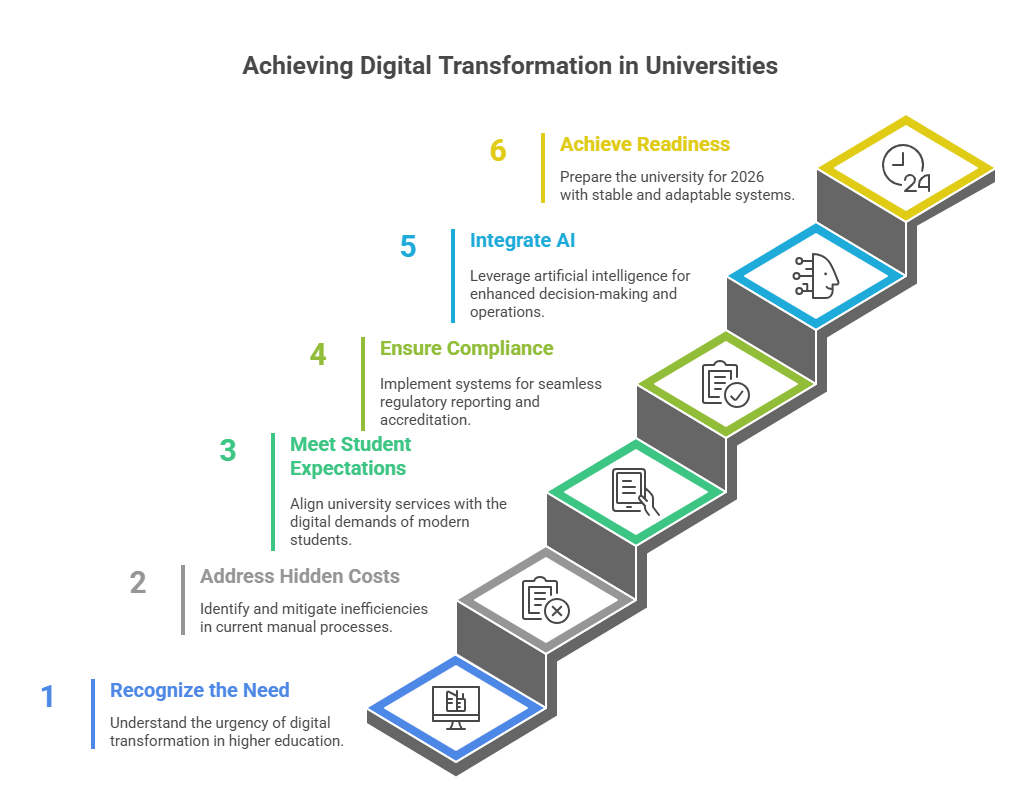
This is the reason institutions across the United States are rapidly adopting campus management system software, not as “just another system,” but as the central command center where academics, student services, finance, and administration finally work in sync. And in this environment, moving to a modern education erp is no longer an optional upgrade. It is a strategic necessity.
The U.S. higher education landscape is changing rapidly:
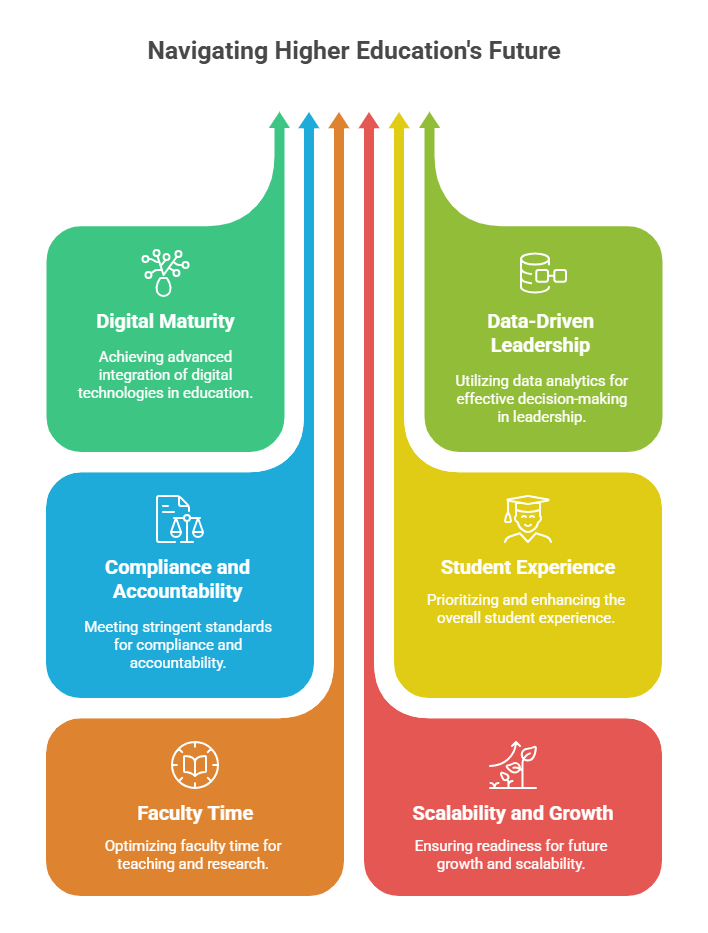
American higher education is facing simultaneous realities.
Enrollment softness.
Performance-based funding.
FAFSA complexity.
Rising expectations from Gen-Z students.
More accountability from accreditors and state agencies.
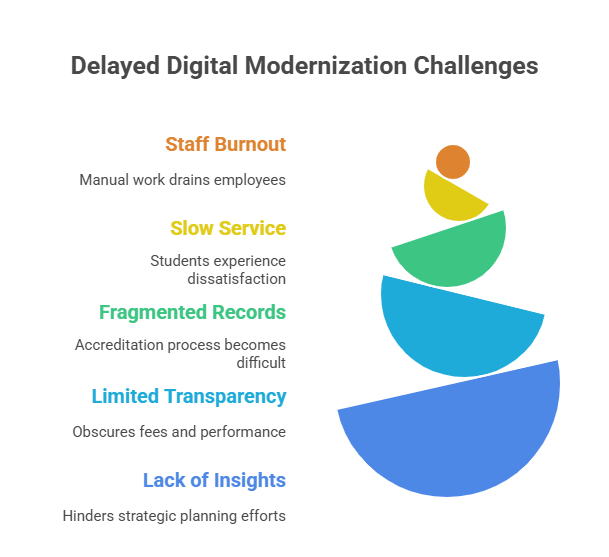
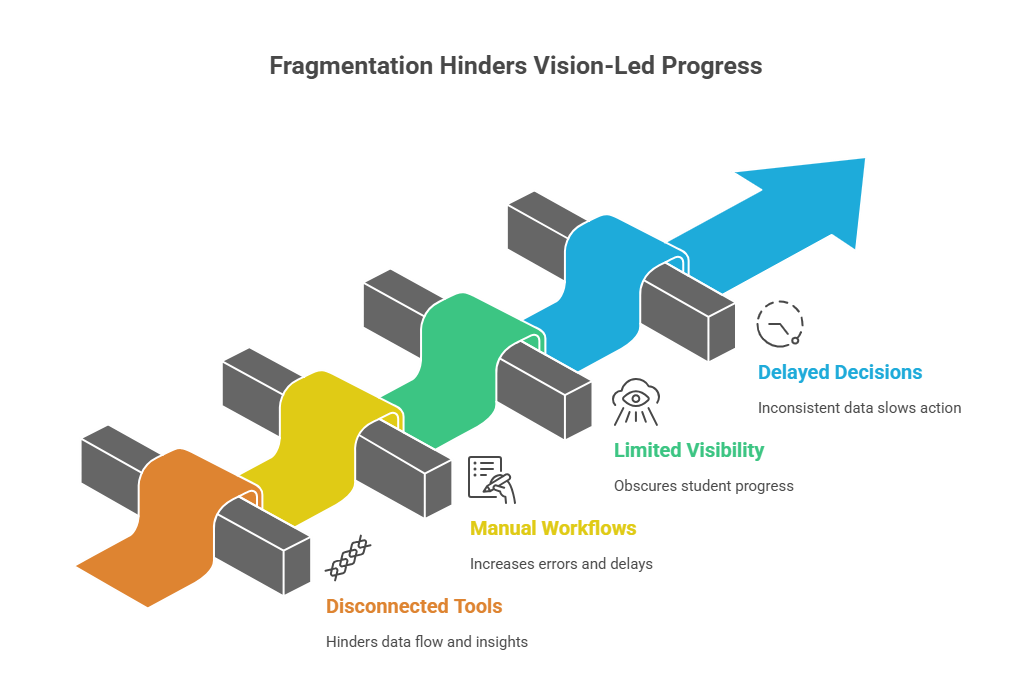
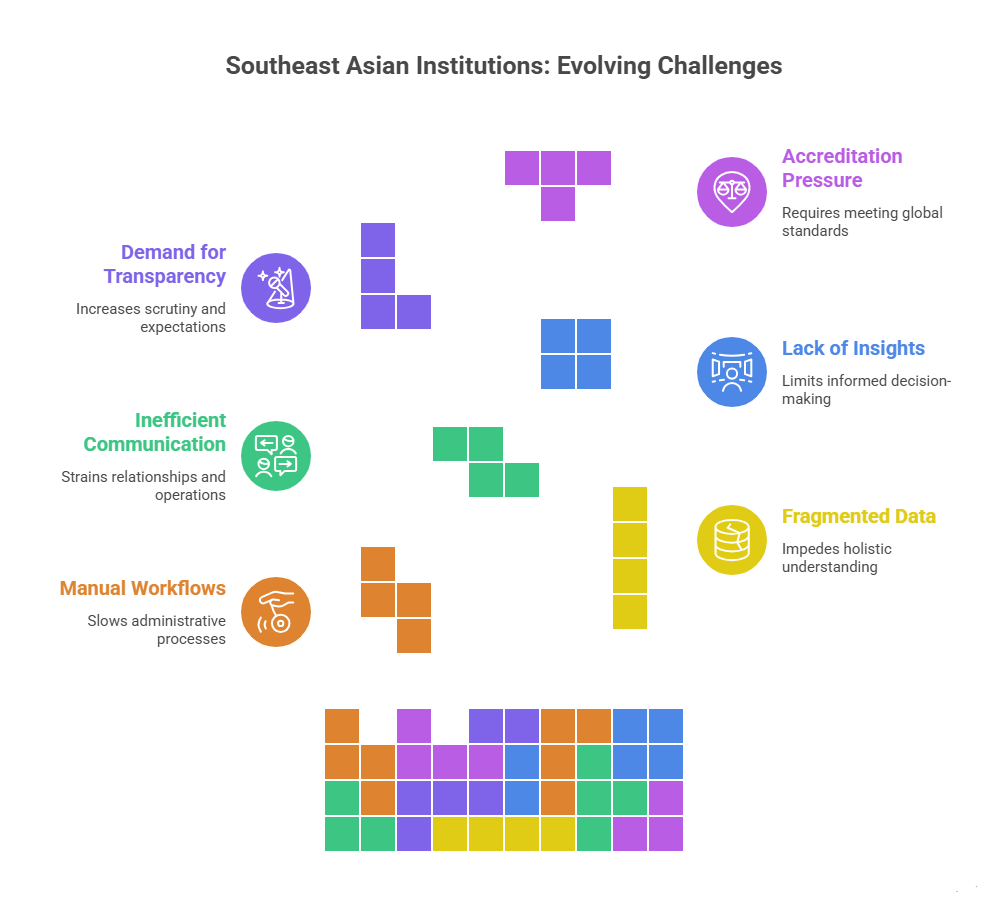
At the same time, many institutions still rely on disconnected tools and manual processes. That model worked when campuses were smaller and expectations were simpler. Today, it slows everything down.
Students in the U.S. expect what they already experience elsewhere: real-time banking, instant updates, digital self-service, and mobile-first experiences. When campus processes don’t match that level of responsiveness, frustration is immediate.
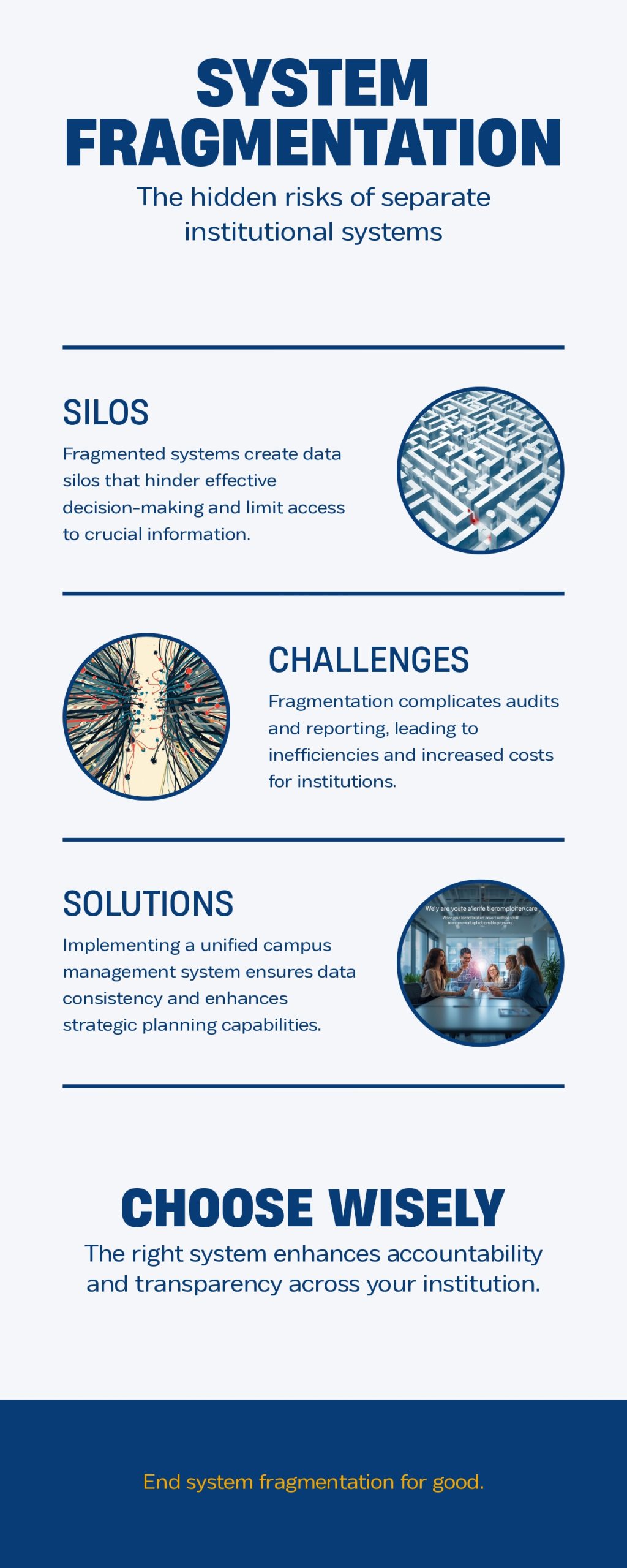
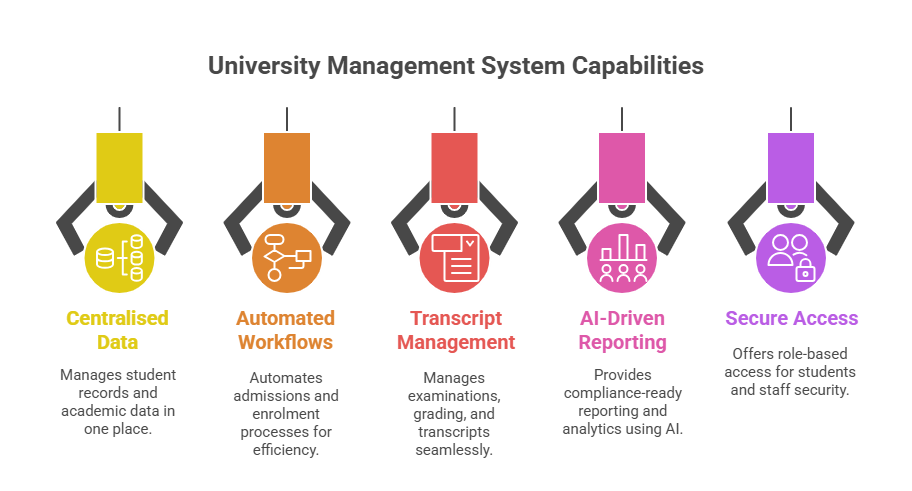
That is where campus management system software brings clarity. Instead of departments working in isolation, information flows across admissions, registrar, faculty, finance, and student success teams in near real time.
Where institutions struggle the most today
Across American campuses, similar operational challenges keep repeating.
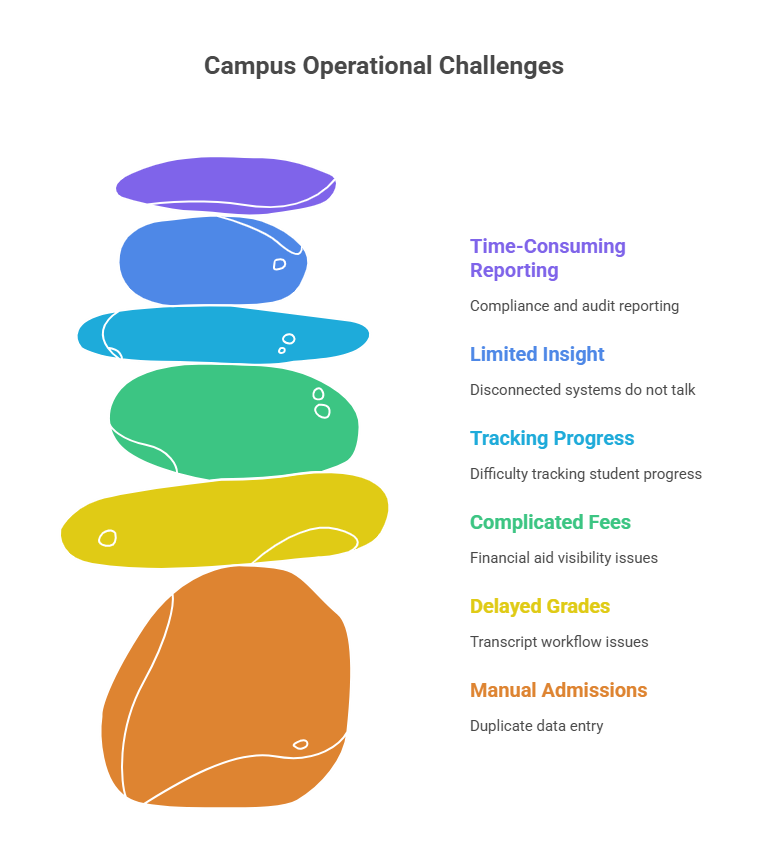
To make it clear, here are the common friction points institutions report:
- Manual admissions processing and duplicate data entry
- Delayed grade publishing and transcript workflows
- Complicated fee management and financial aid visibility issues
- Difficulty in tracking student progress across semesters
- Limited insight into at-risk students
- Disconnected systems that do not “talk” to each other
- Time-consuming compliance and audit reporting
Each of these slows down teams. More importantly, each one directly affects the student experience.
When a student cannot see their schedule clearly, or when financial updates are delayed, or when graduation progress feels confusing, satisfaction declines – and so does retention.
Why data visibility now matters more than ever in the U.S.
Boards, chancellors, and presidents are asking sharper questions.
Which programs are actually growing?
Where are students dropping off?
What support interventions work best?
How is equity reflected in outcomes?
The answers exist. But they are often buried across multiple systems.
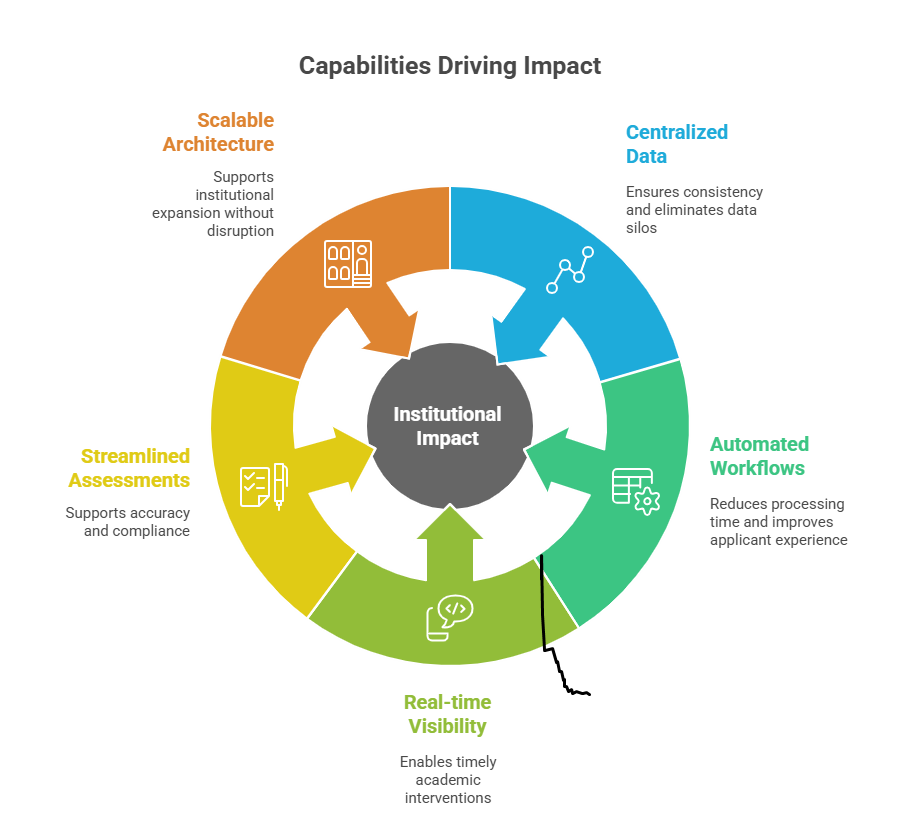
By unifying records, campus management system software gives leaders real-time visibility into academic, financial, and engagement data. Decisions become evidence-based instead of assumption-based. Program planning becomes proactive rather than reactive.
And importantly, reporting to accreditors and government bodies becomes faster and more reliable, something every U.S. institution now needs.
The role of technology in student belonging and success
American campuses are not just instructional spaces. They are communities.
Students look for connection, guidance, and clarity. When systems are fragmented, students feel like they are constantly “chasing information.” When systems are unified, the journey feels intentional.
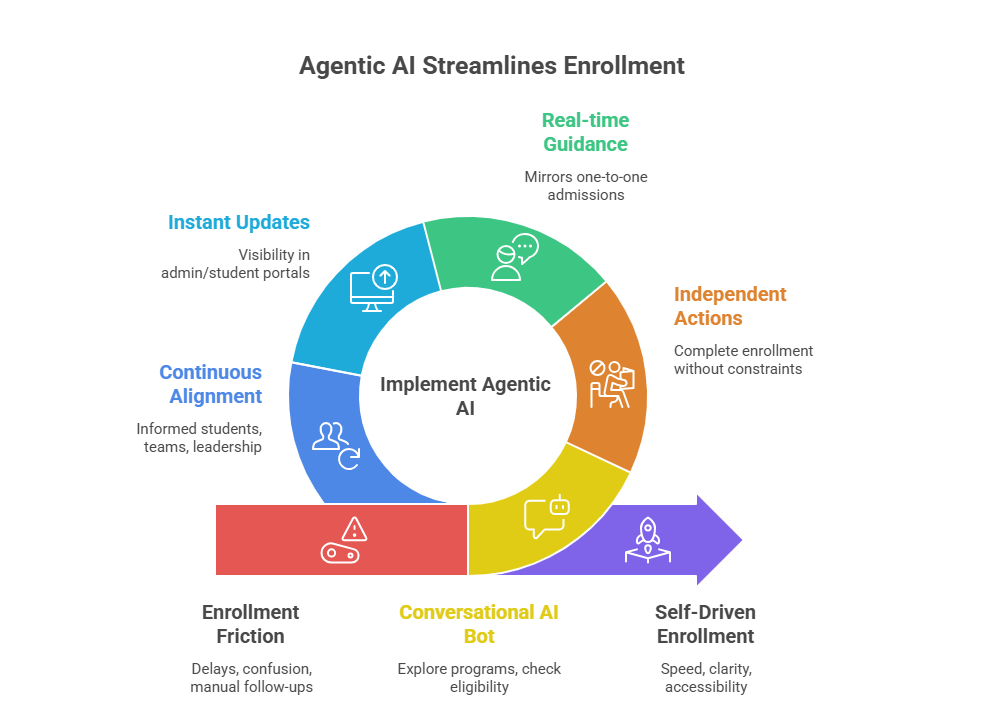
A modern education erp supports the full lifecycle:
Inquiry → Application → Enrollment
Registration → Learning → Assessment
Advising → Support → Graduation
Every step becomes visible. Communication becomes timely. Students feel seen.
And in today’s competitive U.S. higher education market, that sense of belonging is not a “nice to have.” It is central to retention and completion.
Empowering faculty and administrative teams
Faculty across the U.S. already manage instruction, research, advising, committees, and student support. Administrative teams manage compliance, records, scheduling, finance, and more.
Technology should ease the workload, not make it heavier.
With the right education erp, institutions reduce repetitive work, eliminate duplicate entry, and streamline approvals. Teams gain time back for what truly matters: student engagement and academic quality.
Small process improvements at scale make a significant difference in morale and productivity.
So, where does Academia come in?
Modernization isn’t just about buying software. It’s about choosing a partner that understands higher education, its language, pressures, and mission.
Academia is specifically designed for universities and colleges, aligning with U.S. expectations regarding student experience, security, transparency, and compliance readiness. It unifies admissions, academics, records, examinations, analytics, and student services into one connected platform.
By doing so, Academia helps institutions get the “real-time scoreboard” they’ve been missing, without disrupting daily operations. It supports proactive retention strategies, simplifies reporting, strengthens data security, and improves cross-department collaboration.
Put simply, Academia enables institutions to unlock the full value of campus management system software while functioning as a modern education erp that truly understands higher education.
As U.S. campuses navigate enrollment shifts, accountability demands, and rising student expectations, the institutions that thrive will be the ones that operate smarter, respond faster, and stay student-centered. Technology doesn’t replace the mission of higher education – but with Academia, it gives that mission the clarity, speed, and cohesion it deserves.
Book your personalized free demo here: