
Type your keyword below

Revolutionizing University Enrollment: How Admissions Systems Can Boost Your Institution’s Growth

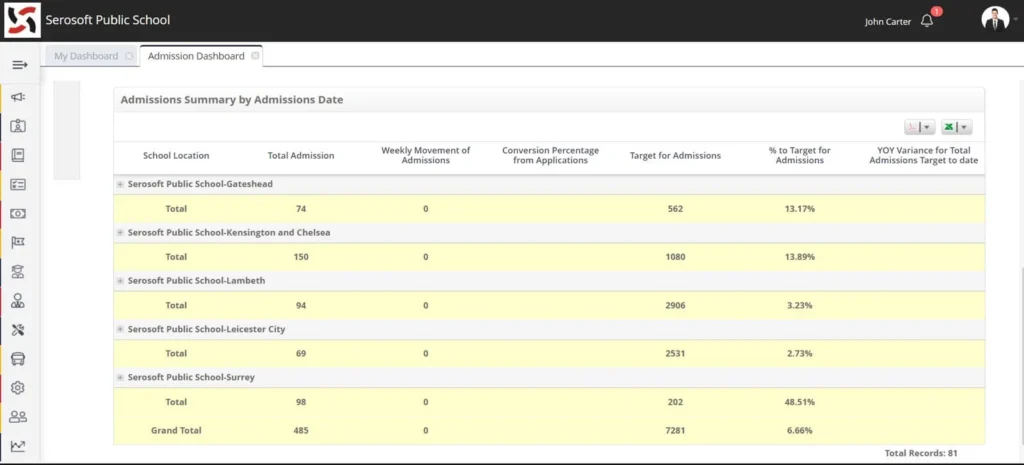
The process of admitting students into a university is a critical aspect of the institution’s success. By implementing an efficient and effective admissions system, universities can streamline their enrollment process, attract a diverse and highly qualified pool of applicants, and increase the overall reputation of the institution. This article will outline the benefits of improving your university’s admissions system and provide insights into the best strategies for achieving this goal.

  • Leveraging Technology for a Seamless Application Experience:

To attract top-notch students, universities should focus on providing a user-friendly and seamless online application experience. By implementing an intuitive and easy-to-navigate platform, institutions can minimize the time and effort required for applicants to complete their applications. This will not only improve the applicant’s experience but also increase the likelihood of attracting high-quality candidates.

  • Data-driven Decision Making/Faster Decision-making:

By incorporating data analytics into the admissions process, universities can make more informed decisions about which students to accept. Data-driven insights can help identify the best candidates based on their academic performance, extracurricular activities, and other factors that contribute to a well-rounded student body. Moreover, data analytics can help institutions better understand their target demographics, allowing them to focus on recruiting initiatives that will yield the best results.

  • Streamlined Application Process: A user-friendly and streamlined application process can attract more applicants to your university. An online application system that is easy to use and navigate can increase the number of completed applications.
  • Personalized communication: Admissions systems can also help universities stay in touch with prospective students through personalized communication. By using data from the application process, admissions staff can tailor their messaging to each individual applicant, increasing the likelihood of engagement and enrollment. Some of the best and most comprehensive Student Information Systems (SIS) like Academia ERP provide you with great modules on campaign management and enquiry management. Always choose the SIS systems which cover all the important aspects of your university/institution.
  1. Enhanced student experience: A well-designed admissions system can provide a positive experience for applicants, which can influence their overall perception of the university. By providing an easy and transparent application process, universities can improve the likelihood that a student will accept an offer of admission and enroll.

In summary, admissions systems play a critical role in a university’s enrollment strategy. By providing a user-friendly application process, faster decision-making, personalized communication, improved data analysis, increased efficiency, and an enhanced student experience, admissions systems can help universities attract and retain more students.

Stay tuned to improve the overall experience of your Schools, MATs, Colleges, Universities, and Training Institutions.

Student Monitoring Software: A Win-Win for Learners and Educators

Introduction 

In today’s fast-paced educational environment, keeping track of student progress and performance is vital for both students and educators. Student monitoring software offers a comprehensive solution to streamline this process, enabling better decision-making and improved learning outcomes. This article will explore the benefits of student tracking software for learners and educators alike. 

  1. Personalized Learning Experiences 

Student tracking software collects and analyzes data on individual student performance, learning preferences, and progress. This valuable information allows educators to create customized learning plans tailored to each student’s needs and abilities. By personalizing the learning experience, students can overcome challenges and reach their full potential. 

  1. Enhanced Communication and Collaboration 

Monitoring software facilitates better communication and collaboration between students, educators, and parents by providing real-time access to student data. Teachers can easily share progress updates, assignments, and feedback, fostering a more transparent and supportive learning environment. 

  1. Data-Driven Decision Making 

With access to detailed student data, educators can make informed decisions regarding curriculum planning, resource allocation, and intervention strategies. By identifying patterns and trends, teachers can pinpoint areas where students may need additional support or resources, ensuring that every learner has the opportunity to succeed. 

  1. Time and Resource Efficiency 

Student tracking software automates many administrative tasks associated with monitoring student progress, freeing up valuable time for educators. By streamlining data collection and analysis, teachers can focus on developing engaging lessons and providing personalized support to their students. 

  1. Improved Student Accountability 

When students know their progress is being monitored, they are more likely to take responsibility for their learning. Student tracking software encourages self-reflection and goal-setting, empowering learners to take ownership of their educational journey. 

  1. Comprehensive Performance Reporting 

Student monitoring software can generate comprehensive reports on individual and group performance, providing valuable insights for educators, administrators, and parents. These reports can inform curriculum development, evaluate teaching strategies, and identify areas for improvement. 

Conclusion 

A student Information System (SIS) with a student tracking module is a powerful tool that offers numerous benefits for learners and educators. By facilitating personalized learning experiences, enhanced communication, and data-driven decision-making, this technology can significantly improve the educational experience and help students reach their full potential. By embracing student monitoring software, educational institutions can create a supportive and efficient learning environment that prepares every student for success.


11 Crucial Tips for Selecting the Ideal Student Information System

Introduction 

Choosing the right Student Information System (SIS) for your educational institution is a critical decision that can impact the efficiency and effectiveness of your operations. With numerous options on the market, it can be challenging to identify the best solution for your needs. This article will provide 11 essential tips to guide you in selecting the perfect student information system. 

  1. Identify Your Institution’s Needs 

Before evaluating potential SIS options, assess your institution’s specific requirements and objectives. Consider your current pain points and desired improvements to help you determine the essential features and capabilities your ideal SIS should possess. 

  1. Consider Scalability and Flexibility 

As your institution grows and evolves, your SIS should be able to adapt accordingly. Opt for a solution that offers scalability and customization options to accommodate future changes and expansions. 

  1. Evaluate Integration Capabilities 

Choose a Student Information System that seamlessly integrates with your existing software and tools. This evaluation will help streamline your operations and avoid potential compatibility issues. 

  1. Prioritize User-Friendliness 

An intuitive and user-friendly interface is crucial for ensuring your SIS’s successful adoption and use. Opt for a solution that is easy to navigate and learn for all users, from administrators and educators to students and parents. 

  1. Assess Data Security and Privacy 

Data security and privacy are critical factors when selecting an SIS. Ensure the solution you choose complies with relevant data protection regulations and employs robust security measures to safeguard sensitive information. 

  1. Research Vendor Reputation and Support 

Investigate the reputation and track record of potential SIS vendors. Look for reviews, testimonials, and case studies to gauge customer satisfaction. Additionally, consider the level of support and training the vendor provides to ensure a smooth implementation process. 

  1. Request Demo or Trial 

Before committing to an SIS, Request Demo or trial to evaluate its features, functionality, and usability. This hands-on experience will help you make a more informed decision. 

  1. Evaluate Total Cost of Ownership 

Consider the total cost of ownership when comparing SIS options, including implementation, maintenance, and ongoing support costs. Be cautious of hidden fees and ensure the solution fits within your budget. 

  1. Analyze Reporting and Analytics Features 

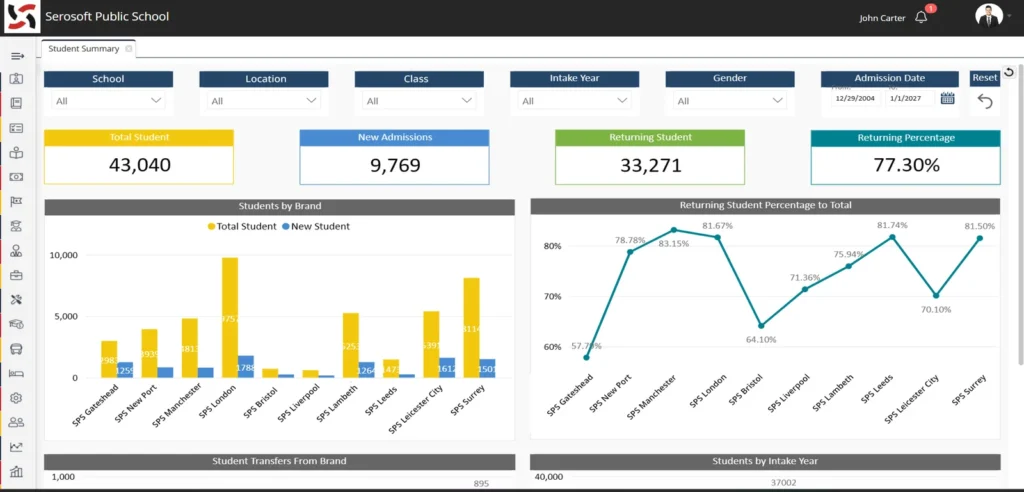
An SIS should provide robust reporting and analytics capabilities to help you make data-driven decisions. Evaluate the system’s reporting features to meet your institution’s needs. 

  1. Check for Mobile Access and Compatibility 

With the increasing reliance on mobile devices, choosing an SIS that offers mobile access and compatibility is essential. This approach will enable students, parents, and educators to access important information on the go. 

  1. Consult with Stakeholders 

Gather input from stakeholders, such as administrators, teachers, and IT staff, to help inform your decision. Their insights and perspectives can be invaluable in choosing the right SIS for your institution. 

Conclusion 

Selecting the ideal student information system for your educational institution is a crucial decision with long-term implications. By following these 11 essential tips, you can confidently choose an SIS that meets your needs, streamlines your operations, and supports the success of your students, faculty, and staff. 

Catching Struggles Early: The Early Alert System in Educational Institutions

Introduction

Early intervention is crucial in supporting students who may be struggling academically or experiencing personal challenges. Educational institutions are increasingly adopting Early Alert Systems (EAS) as part of their Student Information Systems (SIS) to proactively identify, support, and monitor at-risk students. In this blog post, we will explore the benefits and features of Early Alert Systems and how they can enhance student success in educational institutions.

  • Proactive Identification of At-Risk Students

One of the primary benefits of implementing an Early Alert System is the ability to identify at-risk students early in their academic journey. The system uses data from various sources, such as academic performance, attendance, and engagement, to pinpoint students who may be struggling or exhibiting signs of disengagement. By detecting these issues early, educational institutions can take swift action to address them before they escalate.

  • Personalized Support and Interventions

An EAS not only identifies at-risk students but also enables institutions to provide personalized support and interventions. By analyzing data on individual student’s strengths, weaknesses, and learning preferences, educators can create targeted support plans to address their specific needs. This may include tutoring, academic coaching, counseling services, or adjustments to the course curriculum. Personalized interventions can significantly improve students’ chances of overcoming challenges and achieving academic success.

  • Enhanced Communication and Collaboration

Effective communication and collaboration between students, faculty, and support staff are essential for addressing student struggles. An Early Alert System facilitates this by providing a centralized platform for sharing updates, concerns, and progress reports. This enables all stakeholders to stay informed and work together to support the student. Moreover, the EAS can help institutions identify patterns and trends, allowing them to make data-driven decisions about resource allocation and support strategies.

  • Improved Student Retention and Success

By proactively identifying and supporting at-risk students, Early Alert Systems can contribute to improved retention and graduation rates. When students receive timely interventions and support, they are more likely to stay engaged, overcome challenges, and succeed academically. This not only benefits the students themselves but also enhances the institution’s reputation and overall performance.

  • Empowering Students to Take Charge of Their Learning

An EAS can also empower students to take control of their learning by providing them with real-time feedback on their progress. By regularly monitoring their performance and receiving early alerts, students can identify areas of improvement and take action to address them. This fosters a sense of ownership and responsibility for their learning, leading to better academic outcomes and personal growth.

Conclusion

Incorporating an Early Alert System into an educational institution’s Student Information System offers numerous benefits for both students and the educational institution as a whole. By proactively identifying at-risk students, providing personalized support, fostering collaboration, and improving student retention, an EAS can significantly enhance student success.

As educational institutions continue to adapt to the changing needs of their students, incorporating an Early Alert System into their SIS can serve as a powerful tool for promoting student well-being and academic achievement. When institutions adopt a proactive approach, institutions can create a supportive learning environment that empowers students to overcome challenges and reach their full potential.

There are various ways the early alert system can inform you for the course correction like Analytics & Reports, Notifications, Finance Hold, Performance Reports, etc. Learn with the Student Information System demo.

Course Corrections Made Easy: Harnessing Student Information Systems for Student Success

Introduction

Educational institutions strive to help students reach their full potential and succeed in their academic pursuits. One way to achieve this goal is by identifying and addressing any course-related issues students may encounter. It all starts with the Student Information System (SIS)/Education ERP, a comprehensive tool that can help institutions track student progress, identify areas of concern, and implement timely course corrections. In this blog post, we will explore how an SIS can facilitate course corrections for students, ensuring they stay on track and achieve their academic goals.

  • Identifying At-Risk Students

Student Information Systems/Education ERP can help education institutions identify at-risk students by analyzing their academic performance, attendance, and engagement data. By examining factors such as low grades, frequent absences, or a sudden decline in participation, educators can pinpoint students who may need additional support or interventions. This early identification allows institutions to address issues before they escalate, helping students stay on track and succeed.

  • Personalized Learning Plans

An SIS can store and analyze data on each student’s learning preferences, strengths, and weaknesses. With this information, educators can develop personalized learning plans tailored to individual students’ needs. These plans may include targeted interventions, additional resources, or modifications to the curriculum, ensuring that each student receives the support they need to excel in their courses.

  • Real-Time Progress Monitoring

Through an SIS, educators can monitor student progress in real-time, allowing for timely course corrections. By tracking assignments, test scores, and participation, educators can quickly identify students who may be struggling and take action to address their needs. This timely feedback helps students make adjustments to their learning strategies and ensures that they stay on track throughout the course.

  • Enhancing Communication and Collaboration

Effective communication between students, parents, and educators is crucial for identifying and addressing course-related issues. An SIS can facilitate communication by providing a centralized platform for sharing important updates, resources, and progress reports. This increased collaboration allows all stakeholders to stay informed and work together to support students in their academic journey.

  • Data-Driven Decision-Making

Institutions can harness the power of SIS-generated data to make informed decisions about course offerings, curriculum adjustments, and resource allocation. By analyzing trends and patterns in student performance, educators can identify areas of improvement and implement evidence-based strategies to enhance student outcomes. This data-driven approach ensures that course corrections are targeted, effective, and tailored to individual student needs.

Conclusion

The Student Information System is a powerful tool that can help educational institutions facilitate course corrections for students, ensuring their academic success. By identifying at-risk students, creating personalized learning plans, monitoring progress in real time, enhancing communication and collaboration, and making data-driven decisions, institutions can address issues promptly and effectively. Harnessing the potential of an SIS not only leads to improved student outcomes but also contributes to the overall success and reputation of the institution.

Stay tuned for more such information and blog posts.

Mastering Digital Admissions: Marketing Strategies for Educational Institutions in the Digital Era

In today’s digital age, educational institutions must adapt their marketing and admissions strategies to reach prospective students effectively. Traditional methods, such as print advertisements and college fairs, are no longer sufficient to attract and engage the modern applicant. This article will discuss key strategies to help your institution navigate the digital landscape and excel in admissions marketing.


  1. Develop a Strong Online Presence 

A robust online presence is essential for educational institutions to showcase their offerings and connect with prospective students. Invest in a user-friendly website that provides detailed information about academic programs, campus life, and admissions procedures. Additionally, create engaging content, such as blog posts and videos, to demonstrate your institution’s unique value proposition and appeal to a diverse range of prospective students. 

  1. Utilize Social Media Platforms 

Social media platforms offer unparalleled opportunities to reach and engage your target audience. Develop a social media strategy that includes regular posting, interaction with followers, and targeted advertising campaigns. Encourage current students, faculty, and alumni to share their experiences and contribute to your online community. 

  1. Implement Search Engine Optimization (SEO) 

Optimizing your institution’s website for search engines is crucial for attracting organic traffic and increasing visibility. Invest in keyword research, quality content creation, and technical SEO improvements to help your website rank higher in search results for relevant terms. 

  1. Leverage Content Marketing 

Content marketing involves creating valuable and relevant content that appeals to your target audience. Develop a content strategy that includes blog posts, articles, infographics, videos, and other multimedia formats to demonstrate your institution’s expertise and provide valuable information to prospective students. 

  1. Utilize Email Marketing 

Email marketing is an effective way to communicate with prospective students and nurture leads. Create targeted email campaigns to share important information, updates, and events related to your institution. Use personalized messaging and segmentation to ensure your emails resonate with recipients and encourage engagement. 

  1. Harness the Power of Analytics 

Monitoring and analyzing the performance of your digital marketing efforts is essential for ongoing improvement. Use analytics tools to track key metrics, such as website traffic, social media engagement, and open email rates. Apply these insights to refine your marketing strategies and make data-driven decisions. 

  1. Engage in Online Reputation Management 

Maintaining a positive online reputation is crucial for attracting prospective students. Monitor online reviews, social media mentions, and other digital channels to identify and address negative feedback or concerns. Encourage satisfied students and alumni to share their experiences and contribute to a positive online image for your institution. 

Conclusion 

Navigating the digital landscape and effectively marketing your educational institution in the digital age requires a multi faceted approach. By leveraging various digital channels and implementing data-driven strategies, your institution can reach and engage with prospective students meaningfully. Embracing these marketing techniques will help your institution 

stay competitive and attract the students who will thrive within your educational community. 

Request Demo for Academia ERP and learn about campaign and enquiry management for educational institutions. 

Ensuring Student Financial Success Through ERP

One of the biggest challenges college students face is financing their degree. As the financial challenges elevate in the post covid era, as an institute it is imperative to think about the financial success of students through automation and simplification of financial aid processing. 

In addition, students’ financial success can result in higher enrollment rates and retention. Here is how you can strategically remove the friction in financial processing and ensure a better experience for students at your institute. 

Improved Use of Financial Aid at Institutes

Colleges and universities are highly dependent on the financial aid they receive from various sources for the functioning of an institute. Just like it is dependent on the student fee, it is important to keep a track of the money that is coming as financial aid and manage spend. 

Modern software solutions can help manage various financial accounts functional in your institute and track expenditures. It gives you real-time reports and manages your finances better for optimal reporting. 

Automating Financial Aid Process

One of the biggest weights that cause lags in financial aid allotment to students is systemic inefficiencies. Using education ERP solutions such as Academia ERP can help you partially automate the financial processes and increase the data usability to improve employee efficiency. 

Moreover, personalized communication can be done with students digitally over various channels. This keeps your applicants engaged and ensures they receive real-time information on any movement of their application in the aid process. 

Reduce Complexities in the Process

Simplifying the process is a must. It is a critical step in process of eliminating any friction in the financial aid process. 

You can reduce the redundancies found in the system through the adoption of modern education ERP solutions. You can reduce the manual work in the processes and bring more seamlessness in the operations. You can pivot the unnecessary, repetitive steps in the process that cause unnecessary delays and automate the process partially. 

Document Collection

Use an ERP solution that provides robust document management. It comes with capabilities to collect information online and allow students to attach necessary documents to their applications. The documents and information are securely stored centrally that can be accessed as per the authorization provided to users by the admin. 

Creating Personal Engagement Plans

Creating personalized engagement strategies for students can help you address the challenges much better. Colleges tend to hold on to a lot of data and but since technology and its use is not fully realized in many colleges they fail to process it into meaningful information. 

Education ERP eliminates this challenge to provide you with rich reports. It profiles a student on various levels and provides a bird-eye view to a granular view of their challenges. Using this crucial information you can counsel your students better and ensure a higher retention rate in your institute. Utilizing data ensures students get relevant aid and information just in time and creates a stronger bond between the institute and the student. 

Wrapping Up 

Education ERP solutions are feature-rich and smart solutions for colleges that are looking to improve their operational capabilities. It helps improve data usability and eliminates unnecessary delays in the processes. It allows personalized communication with applicants and students and provides granular reports about your student on various levels. It can help you make a positive difference in the financial aid processing and improve your student experience, enrollment rate, and retention rate. 

How College ERP Can Help Get Your Institute NAAC Accredited

If you ask a group of students which college they want to study when given a choice between an accredited college and a non-accredited college — the answer would always be the former. 

Accreditations from reliable regulatory bodies are a strong pull for students. Accreditation say a lot about the quality of education a student receives in an institution. It is one of the primary criteria for a student when seeking admission. 

But only if it was so easy to be accredited. Every accreditation agency has its own criteria & parameters that an institute needs to follow to get successfully accredited. Be it NAAC or NBA, they are required to submit reports related to administration, library, student support, admissions, and other aspects of a higher education institute. 

This requires institutes to keep a detailed record of administrative and academic activities in an institute. It is of utmost importance that the data is accurate and provides a deep dive into every ongoing operation in an institute. It should be well-evaluated. Certainly, the accreditation process is quite tough and the accreditation bodies give a lot of importance to quality. So, if you want to get your university or college accredited you need software that provides you with good data management of all the operations in your institute. 

Caption: Criteria & Weightage defined for NAAC Accreditation Higher Education Institutes.

Credit: http://naac.gov.in/index.php/en/assessment-accreditation  

Manage Heaps of Data using Campus Management System

Campus management software helps you in managing huge amounts of institutional data and can help you save time and effort during the accreditation process and otherwise. Relying on manual documentation means inviting a lot of human errors in reporting which can cost you a lot when you are dealing with strict accreditation bodies. 

Digital management of data thus helps you improve accuracy in the reports and ultimately provides a quicker path toward attaining accreditation. Moreover, they help you streamline your work processes and manage every operation in detail while keeping a log and record of the activities and key information. 

Using Campus Management System you can manage:

  • Academic Details 
  • Students, Alumni & Faculty Information
  • Infrastructure & Learning Resources
  • Campus Extension Activities
  • Financial Operations
  • Management & Administration of the institute
  • Student Feedback System
  • OBE

More features to get an easy accreditation

College is asked to provide detailed information without any error alongside documents of past few years to support the information. In addition to data, precise compliance reports related to administration, library, admissions, etc. is going to be requested by the assigned team. 

Generating accurate reports manually within a limited time frame is a big hurdle. Hence, most colleges face huge difficulties in attaining college accreditation. Most of all, the data shared with anyone over an excel sheet is so much easier to manipulate. But when you use a campus management system that governs authorized access to information and data you have a well-protected database there is no chance anyone unauthorized gets to change the information. 

Since colleges generate a large amount of data on an everyday basis, data management has been a key challenge — but only until now. You see, a good education ERP solution will help you manage the accreditation process better by offering you various functionalities. 

Wrapping Up

A college ERP solution can help institutions save time and streamline processes and smoothen operations along with generating a variety of compliance reports. All-in-all college ERP software makes the journey to accreditation much easier and can even help you get one faster. The key here is to have a system that systematically stores and manages institute data. Since manually it is not possible and can eat up a lot of time for your human resources you can simply invest in a good ERP that does that work for you. If you did like to get one, try Academia CMS – a college ERP software. Connect with our ERP expert and request of Academia College ERP software demo today.

Leveraging a Systematic Approach to Document Management in Educational Institutions

Introduction 

Educational institutions handle a vast amount of documentation, including student records, administrative paperwork, and regulatory compliance materials. Managing these documents efficiently and securely is essential for the smooth functioning of the organization. In this article, we will explore the benefits of implementing a systematic approach to document management and how it can improve overall efficiency and effectiveness in educational institutions. 

  1. Streamlined Processes and Improved Efficiency 

A systematic approach to document management involves implementing standardized procedures for creating, storing, and retrieving documents. This process can increase efficiency by reducing time spent searching for files and minimizing the risk of misplaced or lost documents. Streamlined processes also help ensure that faculty and staff can access the information they need when they need it. 

  1. Enhanced Security and Compliance 

Using a systematic document management approach, educational institutions can better safeguard sensitive information and comply with regulatory requirements. Centralized document storage, access controls, and audit trails can help protect confidential data and ensure that only authorized individuals can access specific documents. This approach can also facilitate compliance with data protection regulations and records retention policies. 

  1. Improved Collaboration and Communication 

A well-structured document management system enables better collaboration and communication among faculty, staff, and students. By providing a centralized platform for sharing documents and resources, team members can work together more effectively and stay up-to-date on project developments. This process fosters a more cohesive and productive educational environment. 

  1. Reduced Operational Costs 

Implementing a systematic approach to document management can lead to significant cost savings for educational institutions. Schools and colleges can decrease operational expenses and allocate resources to other critical areas by minimizing the need for physical storage space and reducing paper consumption. 

  1. Greater Sustainability 

A systematic document management approach often involves transitioning to digital storage and reducing the reliance on paper-based records. This shift promotes environmental sustainability by reducing paper waste, energy consumption, and the institution’s overall carbon footprint. 

  1. Simplified Disaster Recovery 

In a natural disaster or data breach, a systematic document management system can simplify the recovery process. By maintaining secure, centralized backups of essential documents, educational institutions can quickly restore lost or damaged files, minimizing downtime and ensuring continuity of operations. 

  1. Increased Transparency and Accountability 

A well-organized document management system can promote transparency and accountability within educational institutions. By tracking document access and modifications, administrators can monitor compliance with policies and procedures, identify potential issues, and maintain high integrity and professionalism. 

Conclusion 

Implementing a systematic approach to document management in educational institutions offers numerous benefits, from improved efficiency and security to enhanced collaboration and sustainability. By embracing these strategies, schools and colleges can optimize document management processes, ensuring a more effective and well-functioning organization. 

Change Management for Technology Adoption in Institutions – Top 8 Strategies

In today’s fast-paced digital era, educational institutions must adapt to technological advancements to remain competitive and efficient. However, the process of incorporating new technologies can be challenging and may face resistance from staff or stakeholders. This blog post will explore eight change management strategies for successful technology/software adoption in education institutions, ensuring a smooth transition and optimal outcomes.

  • Assessing the Need for Change

Before adopting any new technology/software, it’s essential to assess the current landscape and evaluate the need for change. Identifying gaps, inefficiencies, or areas for improvement will help institutions make informed decisions about the most suitable technology solutions. It’s also crucial to consider the organization’s long-term goals and how new technology can support them.

  • Establishing a Clear Vision

A clear vision is key to driving change in any organization. Leadership must outline the intended benefits of the new technology and how it will enhance the institution’s overall operations. This vision should be effectively communicated to all stakeholders to garner support and buy-in for the change.

  • Building a Cross-Functional Team

Institutions should create a cross-functional team consisting of representatives from different departments and levels of the organization. This team will lead the change management process, ensuring that diverse perspectives and insights are considered. In addition, the team will be responsible for planning, implementing, and monitoring the technology adoption process.

  • Developing a Comprehensive Change Management Plan

A well-defined change management plan is crucial for successful technology adoption. The plan should outline the project’s objectives, scope, timeline, and required resources. It should also cover the communication strategy, stakeholder engagement, training, and support initiatives, as well as plans for monitoring progress and addressing any challenges that may arise.

  • Training and Support

One of the most significant barriers to successful technology adoption is a lack of knowledge or skills among staff. To overcome this hurdle, institutions should invest in comprehensive training and support programs to ensure employees understand and feel confident using the new technology. Customized training sessions, workshops, and ongoing support can help facilitate a smooth transition.

  • Encouraging Open Communication

Open communication is essential throughout the change management process. Institutions should create an environment where staff and stakeholders can share their thoughts, concerns, and feedback regarding the new technology. This can help identify potential issues early on and foster a sense of ownership and commitment to the change.

  • Monitoring and Measuring Success

To gauge the success of the technology adoption, institutions should establish key performance indicators (KPIs) and regularly monitor progress. This will help identify areas of improvement, celebrate successes, and ensure that the adopted technology aligns with the organization’s goals and objectives.

  • Celebrating Success and Continuous Improvement

Recognizing and celebrating the achievements of the team and individuals involved in the technology adoption process can help maintain momentum and encourage continuous improvement. Education institutions should always be open to refining and optimizing their processes, using feedback and data to inform decision-making and enhance the overall impact of the new technology.

Conclusion

Adopting new technology/software can be a complex and challenging process for educational institutions, but with a strategic change management approach, success is achievable. By assessing the need for change, establishing a clear vision, building a cross-functional team, and developing a comprehensive plan, educational institutions can facilitate a smooth and successful technology adoption process. In addition, providing training, support, and open communication channels will ensure that staff and stakeholders are engaged and committed to the change, ultimately leading to more efficient, innovative, and competitive institutions. 

So, are you ready for the change in your educational institution? Start with Academia ERP, today.

Back to top