
Type your keyword below

Learning Outcomes – Types, And Examples Of Learning Outcomes

Learning outcomes are a pivotal component of any educational system, guiding the path of instruction and assessment. In essence, they are concise, clear, and specific statements describing what learners are expected to know, understand, and be able to do at the end of a course or program. They create a connection between the learner, the learning process, and the evaluation of the learning experience.

There are generally three types of learning outcomes: cognitive, affective, and psychomotor.

Cognitive outcomes pertain to the intellectual or mental skills that a learner should acquire. These could range from recalling basic facts to synthesizing complex information. For instance, a cognitive learning outcome might state, “By the end of this course, students will be able to analyze and interpret statistical data.”

Affective outcomes, on the other hand, relate to attitudes, values, and emotions. They often involve changes in feelings, values, or beliefs. An example of an effective learning outcome could be, “Students will demonstrate an appreciation for diverse cultural perspectives.”

Psychomotor outcomes involve physical skills or the performance of actions. They might relate to any physical skill, from simple motor tasks to complex performances. An example might be, “At the end of the physical education course, students will be able to execute a proper volleyball serve.”

Creating effective learning outcomes requires a thorough understanding of the course content and a clear vision of success. They should be measurable, achievable, linked to assessment methods, and clearly communicated to students. They serve as a road map for the course design, guide teaching, and learning activities, and provide a basis for evaluating student performance.

Effective tracking and evaluating learning outcomes is critical in the current data-driven educational environment. This method is where a powerful Education Resource Planning (ERP) system like Academia ERP/SIS can be extremely beneficial.

Academia ERP/SIS offers comprehensive reporting capabilities, allowing institutions to generate precise and insightful reports on learning outcomes. These reports can help faculty members identify patterns in student learning, monitor progress toward learning goals, and adjust teaching methods or course content as needed.

Here are a few product screenshots that could significantly contribute to the enhancement of learning outcomes:

Exam Assessment Scheme for K12:
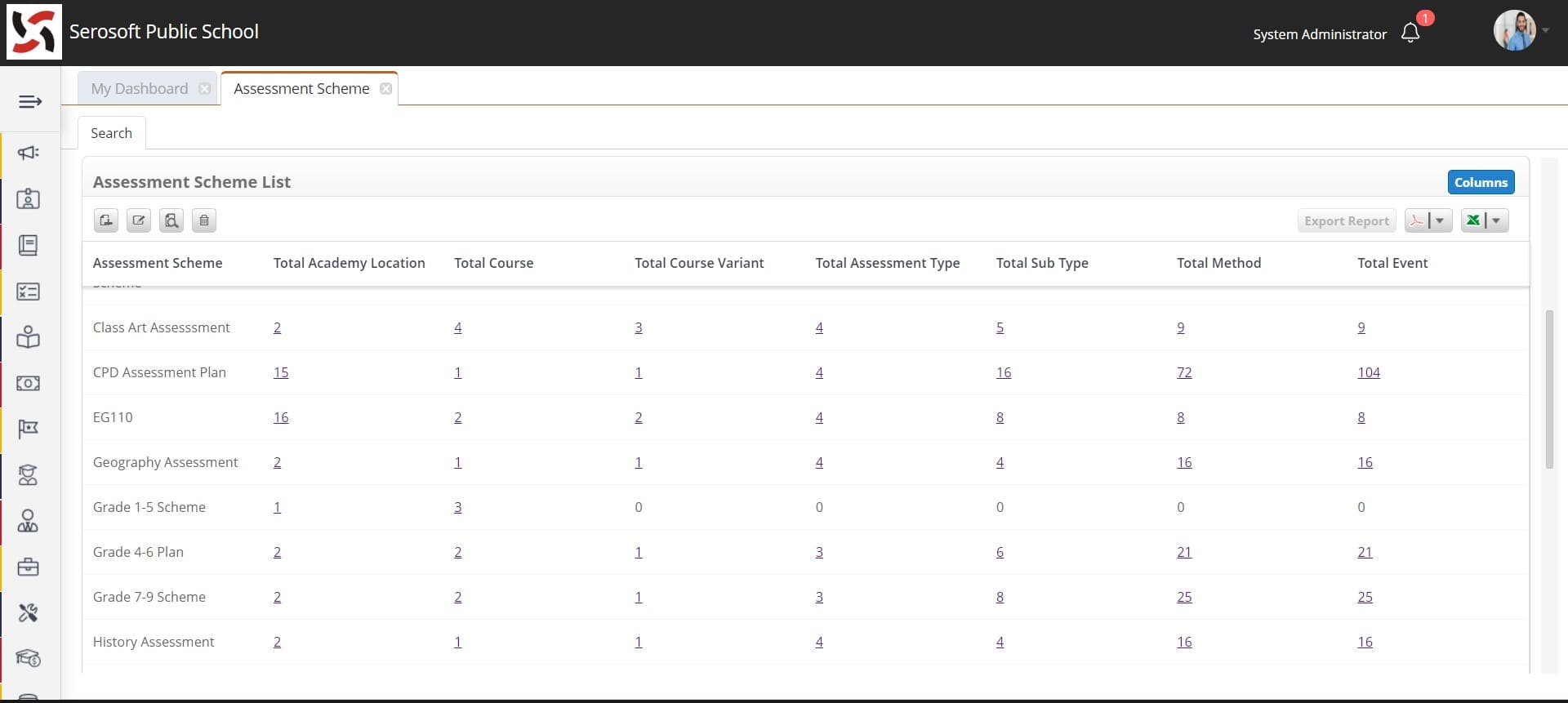
Exam Assessment Scheme (1)

Exam Assessment Scheme for Higher Ed:
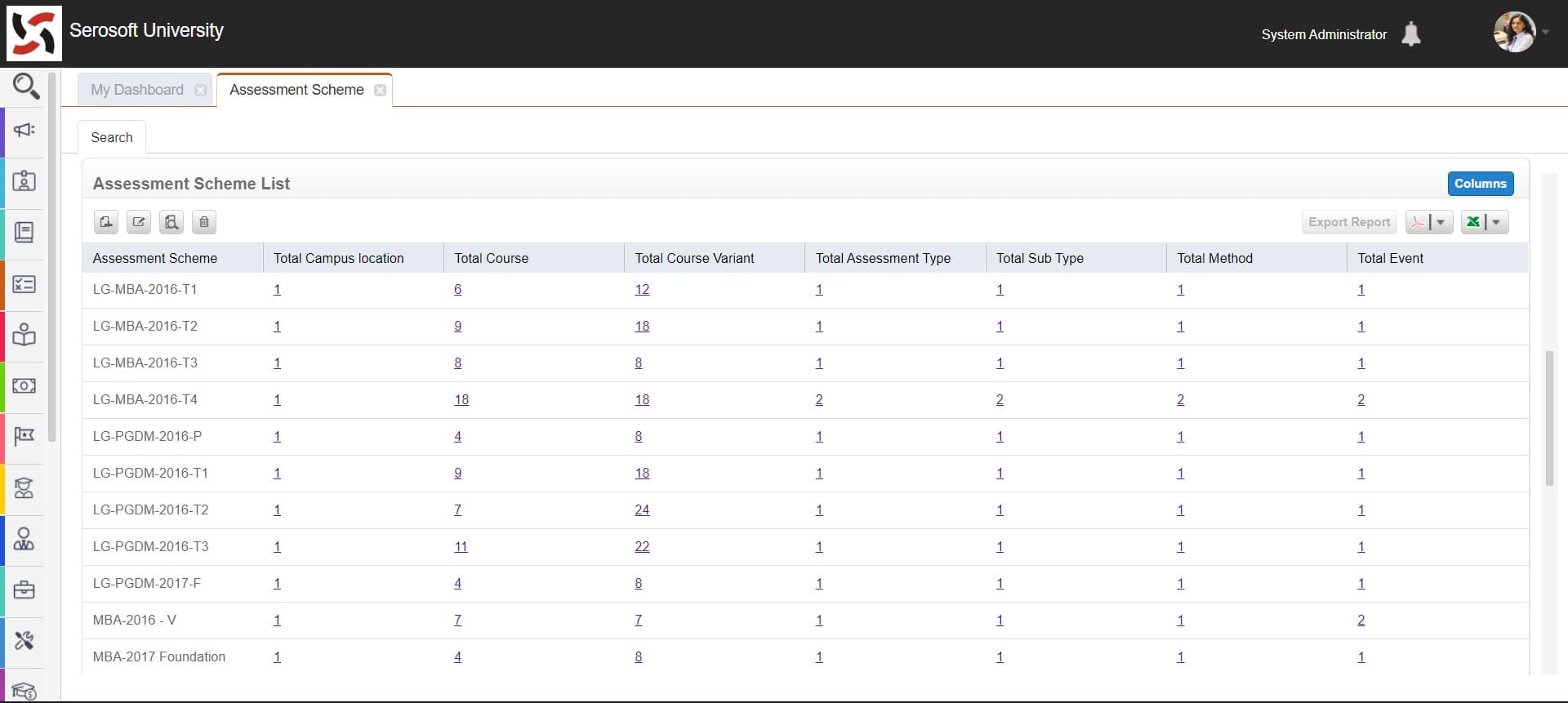
Exam Assessment Scheme

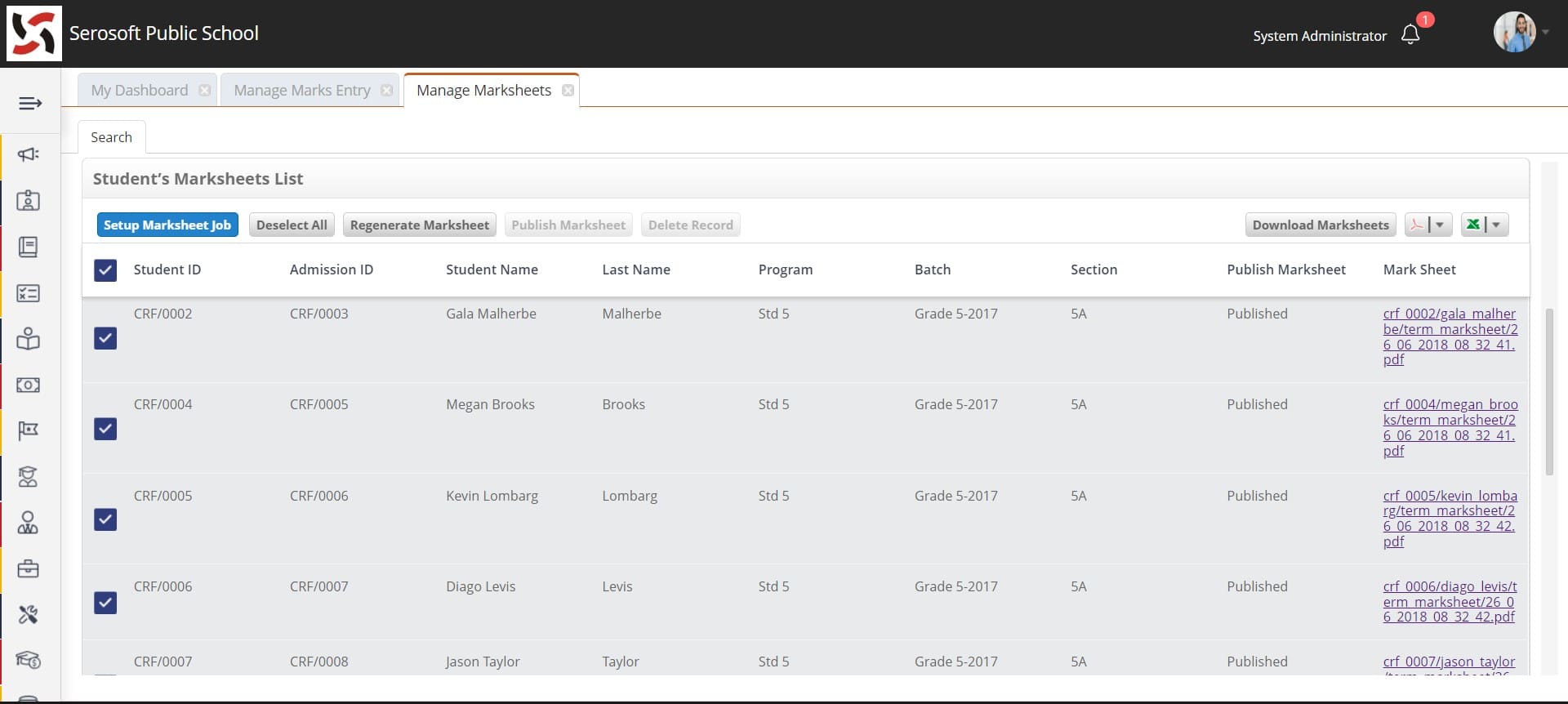
Marksheet Generation K12:

Marksheet Generation

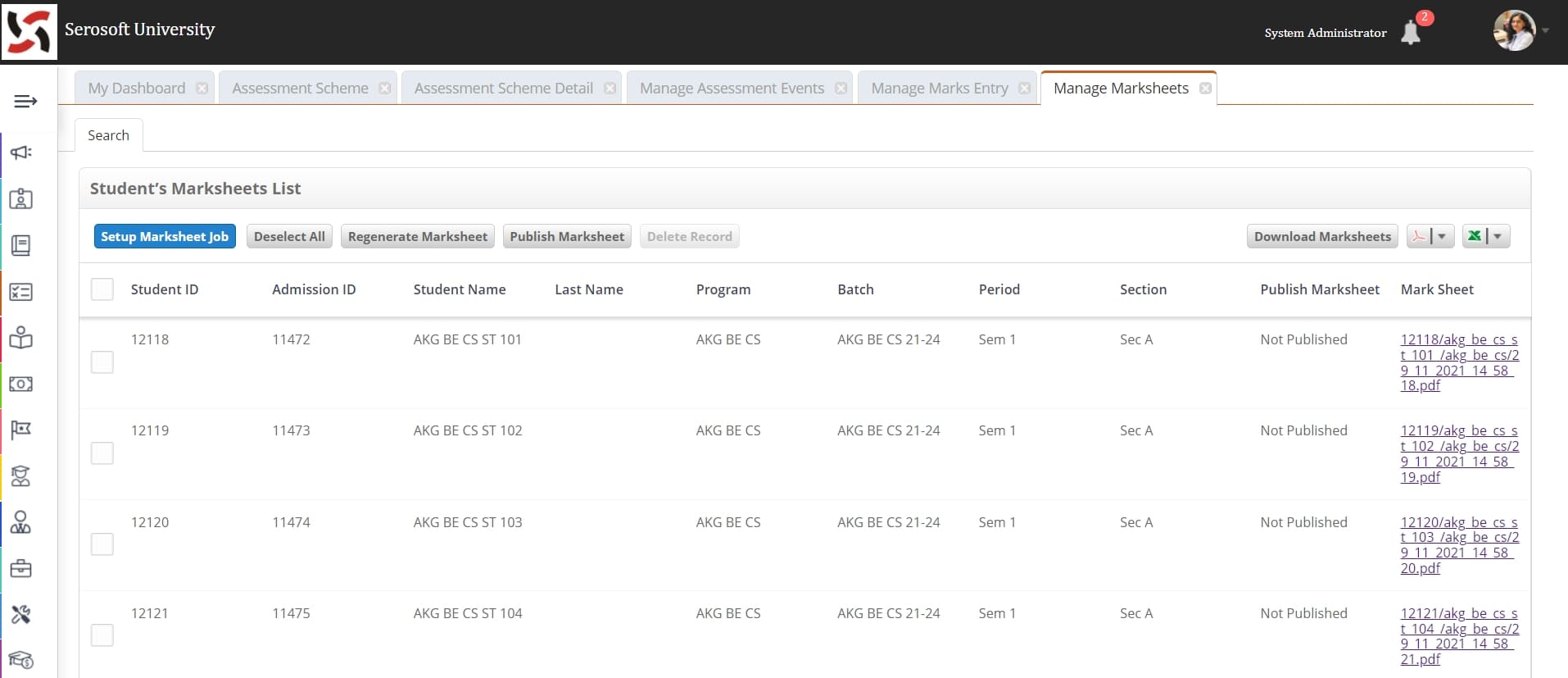
Marksheet Generation Higher Ed:

Marksheet

Know more about product with a live Academia ERP/Student Information System demo.

For instance, if the learning outcome is for students to be able to analyze and interpret statistical data, Academia ERP/SIS can provide reports on students’ performance on relevant assessments. This information can help instructors determine whether students are achieving the desired learning outcome and identify areas for improvement.

Conclusion:

Learning outcomes are crucial for guiding the teaching and learning process and evaluating student success. They provide a clear vision of what students should know and be able to do at the end of a course or program. With systems like Academia ERP/SIS, educators can effectively track and evaluate these outcomes, ensuring their educational goals are met.

Beyond the Certificate: The True Benefits of NAAC Accreditation

In higher education, quality assurance plays a crucial role in maintaining academic standards and promoting continuous improvement. In India, the National Assessment and Accreditation Council (NAAC) is an autonomous body dedicated to ensuring quality in higher education. It provides accreditation to higher education institutions based on their fulfillment of specified criteria. However, the value of NAAC accreditation extends far beyond merely receiving the certificate. It offers numerous benefits that significantly contribute to the overall development of an institution.

One of the most significant benefits of NAAC accreditation is that it publicly recognizes an institution’s quality. The accreditation status signals to potential students, parents, and employers that the institution meets or exceeds the standards set by an independent accrediting body. This recognition can enhance the institution’s reputation and standing, making it a more attractive choice for prospective students and faculty members.

Another substantial benefit of NAAC accreditation is the enhancement of quality education. The NAAC’s evaluation criteria encourage institutions to strive for excellence in all aspects of their functioning, including teaching, research, community engagement, and governance. By working towards meeting these criteria, institutions inevitably improve their educational practices and outcomes, leading to a better learning experience for students.

Furthermore, NAAC accreditation stimulates a culture of self-evaluation and continuous improvement within institutions. The process involves a thorough self-study by the institution, followed by an external review. This introspective exercise allows institutions to identify their strengths and weaknesses, leading to systematic action plans for improvement. The periodic reassessment required for maintaining accreditation ensures that institutions continually enhance their performance and quality.

NAAC accreditation also promotes accountability and transparency. The accreditation process involves a comprehensive assessment of the institution’s operations and outcomes, which are made public. This transparency ensures that institutions are accountable to their stakeholders, including students, parents, the government, and the community.

Moreover, NAAC accreditation facilitates greater collaboration and funding opportunities. Many funding agencies prefer to invest in NAAC-accredited institutions due to their demonstrated commitment to quality. Similarly, other higher education institutions in India and abroad are more likely to engage in research collaborations or student exchange programs with NAAC-accredited institutions.

Lastly, NAAC accreditation catalyzes institutional innovation. The quest for quality improvement often drives institutions to adopt innovative practices in teaching, research, administration, and student support services. These innovative practices enhance the institution’s performance and contribute to the broader higher education sector by serving as best practice models.

In today’s data-driven world, having an efficient system to manage, analyze, and report institutional data is crucial for pursuing and maintaining NAAC accreditation. This approach is where a robust Education Enterprise Resource Planning (ERP) system like Academia ERP/SIS can be incredibly beneficial.

How Academia ERP/SIS helps in achieving NAAC for your institution:

Academia ERP/SIS aids in simplifying the NAAC accreditation process with its comprehensive reporting and analytics capabilities. It allows institutions to generate precise, timely reports and provide insights for improvement, streamlining the self-study reports required for NAAC accreditation.

The Academia ERP/SIS system is an integrated platform for managing institutional data, contributing to higher education’s broader goal of quality enhancement.

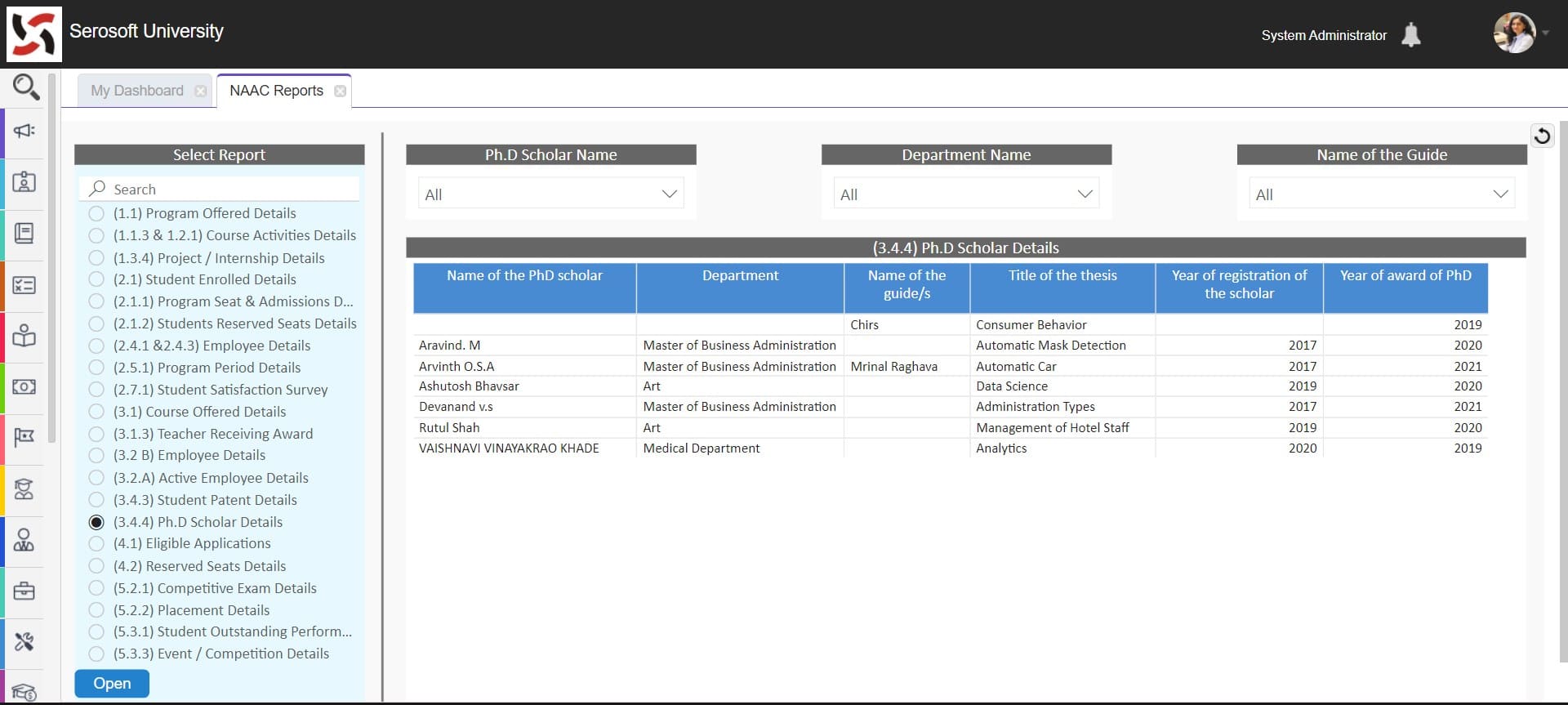
NAAC Report

Academia ERP/SIS has distinctive NAAC-centric features designed to meet the seven criteria required for Grade ‘A’ NAAC accreditation, including curricular aspects, teaching-learning and evaluation, research, consultancy, and extension, among others. It offers a range of tools, from curriculum management to tracking capabilities for various academic and administrative activities. The system’s alignment with the NAAC criteria ensures institutions are well-prepared to secure and maintain Grade ‘A’ accreditation.

In conclusion, NAAC accreditation offers benefits that extend beyond the certificate. It’s a journey towards excellence, fostering quality improvement, accountability, and innovation. With the assistance of advanced systems like Academia ERP/SIS, this journey is more efficient and rewarding. Learn more with our Education ERP/Student Information System Experts.

Overcoming the Challenges of Implementing Outcome-Based Education

In the ever-evolving realm of education, Outcome-Based Education (OBE) has emerged as a progressive approach emphasizing students’ mastery of subject matter. With its focus on student learning outcomes, OBE aims to ensure that students gain the necessary skills and knowledge to be successful in their chosen paths. However, as with any educational reform, implementing OBE presents its unique challenges. This blog post explores ways to overcome these obstacles and adopt OBE in educational institutions.

One of the most significant challenges of implementing OBE is the shift in educational philosophy it requires. Traditional education models are primarily teacher-centered, while OBE is student-centered. Transitioning from a teaching focus to a learning focus requires a significant shift in mindset from educators, students, and parents. Overcoming this challenge involves continuous professional development for teachers to understand and embrace the OBE approach. It also necessitates clear communication with students and parents about the benefits and expectations of OBE.

Another hurdle is the development of a suitable curriculum that clearly outlines the desired outcomes. Unlike traditional curriculums, which focus on what educators will teach, OBE curriculums are centered around what students are expected to learn and achieve. Designing such a curriculum requires careful consideration and alignment of content, instructional strategies, and assessments with the intended outcomes. Institutions can overcome this challenge by involving all stakeholders in the curriculum development process, including educators, students, parents, and even employers.

Assessment is another area where OBE diverges significantly from traditional education. OBE demands a more comprehensive and continuous assessment approach, focusing on demonstrating mastery of skills rather than rote memorization. Traditional assessments, like multiple-choice tests, may not be suitable for OBE. Instead, assessments should be project-based, allowing students to demonstrate their understanding and application of knowledge in real-world contexts. Training educators in these new assessment methods and communicating the purpose and benefits of these assessments to students and parents can help overcome this challenge.

Finally, implementing OBE requires sufficient resources, including time, technology, and training. Teachers need time to plan, develop, and assess OBE curriculums. Schools may also need to invest in new technologies and training to support OBE. Overcoming this challenge requires careful planning, budgeting, and potentially seeking additional funding sources.

As we navigate the challenges of implementing OBE, technology can be a powerful ally. A robust Education Enterprise Resource Planning (ERP) system like Academia ERP/SIS can streamline and automate many OBE processes. Academia ERP/SIS offers curriculum management features that allow institutions to align content, instruction, and assessments with desired learning outcomes. Its advanced assessment tools support various assessment methods, including project-based assessments, making it easier for educators to assess student mastery of skills. Furthermore, the system’s reporting and analytics features provide valuable insights into student performance, helping institutions continually refine their OBE implementation.

In conclusion, implementing Outcome-Based Education may be challenging but not insurmountable. With the right mindset, strategies, resources, and technological support like Academia ERP/SIS, educational institutions can successfully transition to OBE and pave the way for a more relevant, engaging, and practical education for all students.

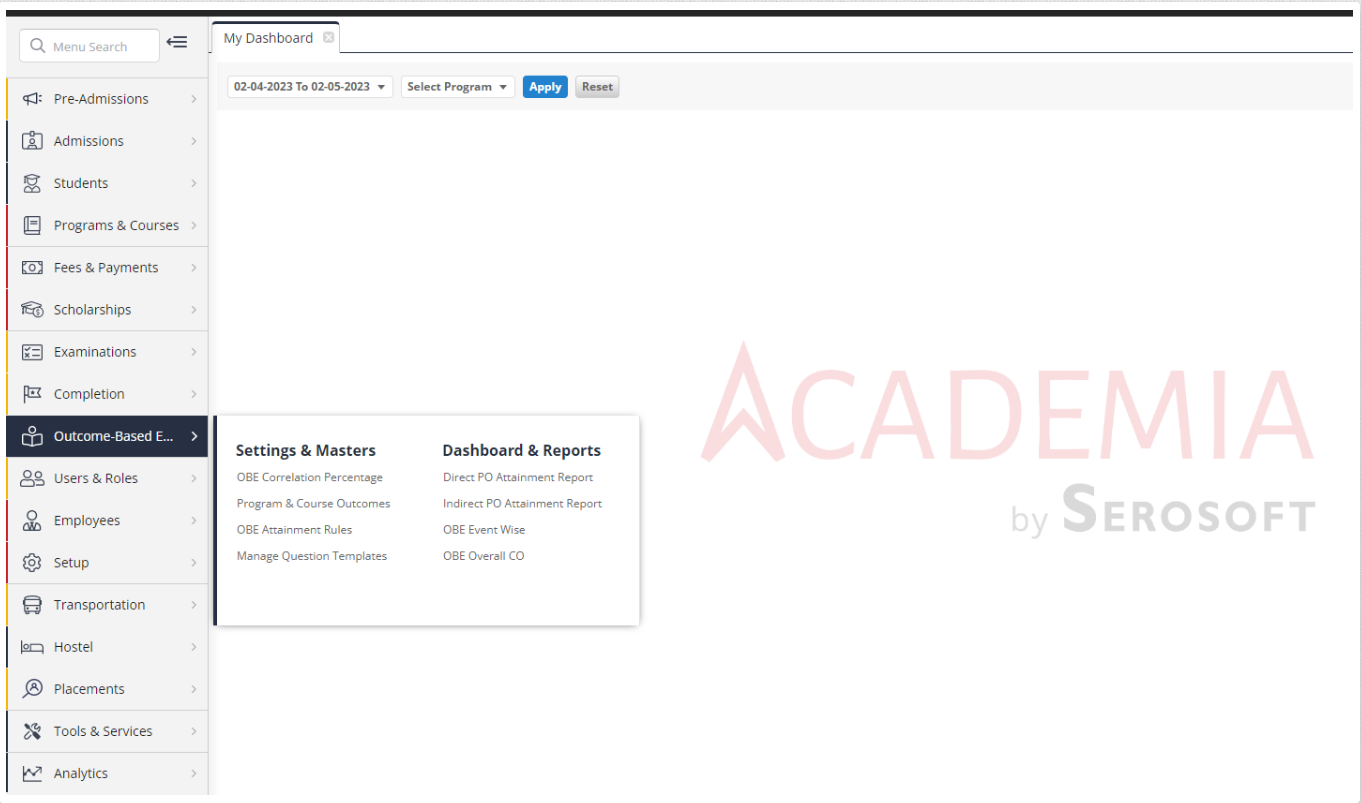
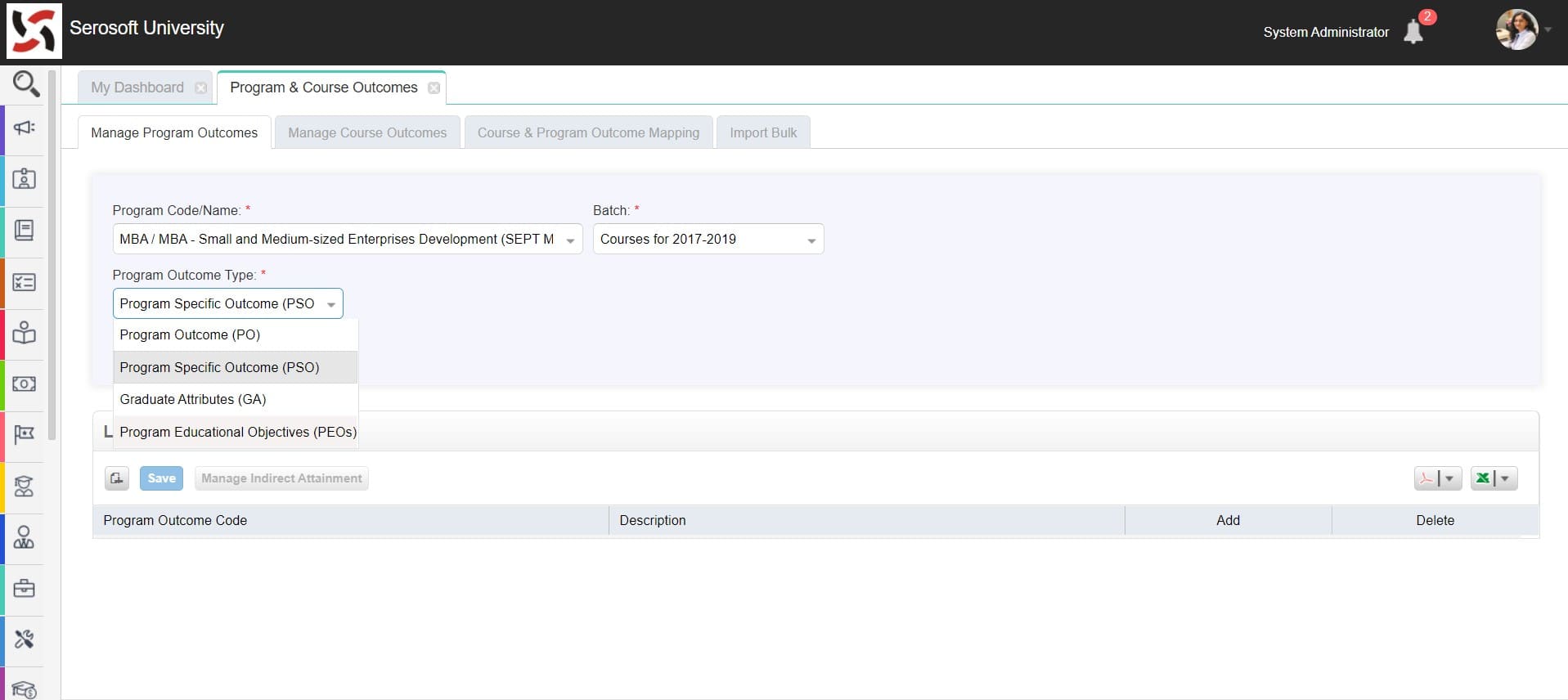
Below, you’ll find a selection of screenshots from the Academia ERP/SIS system. These images illustrate how its various features can significantly enhance the implementation and effectiveness of outcome-based education.

  1. Academia ERP OBE Options

    Academia ERP OBE Options

  2. Complete Management of Program and Course Outcome


    OBE

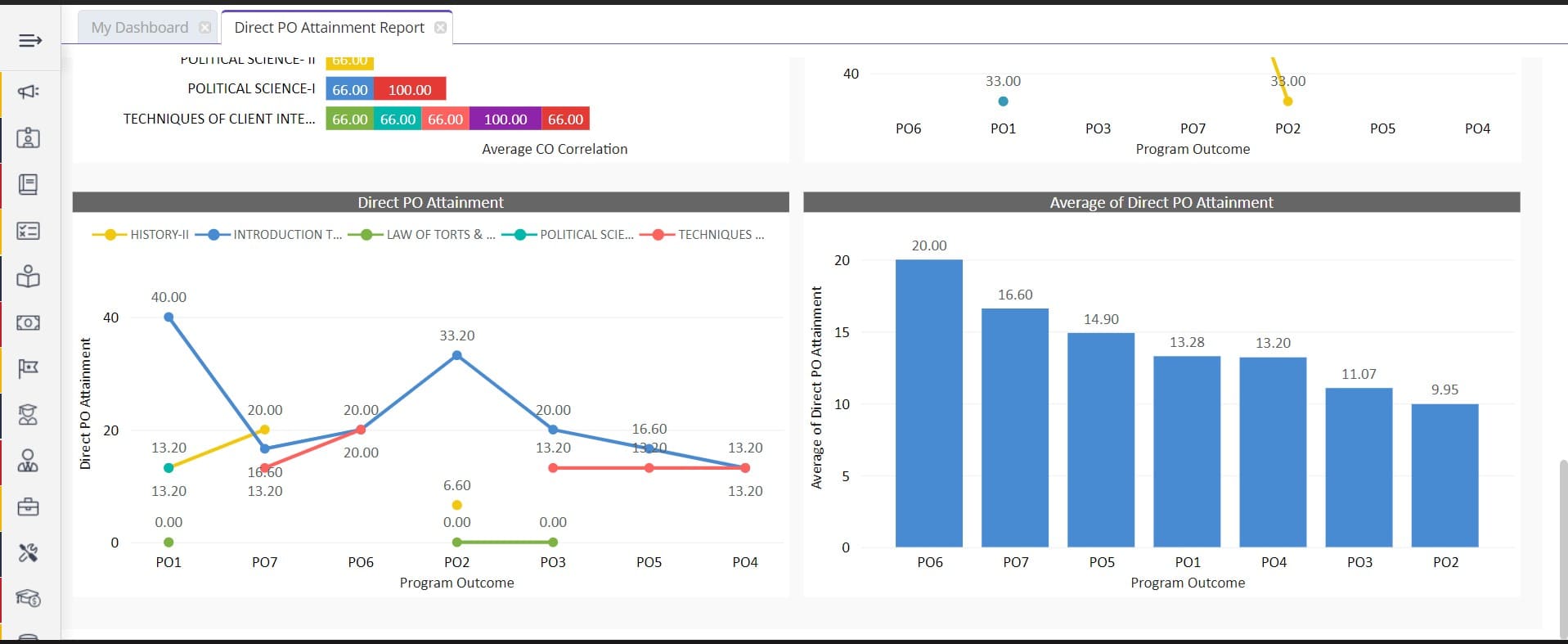
  3. Direct PO Attainment Report:

    Direct PO Attainment Report

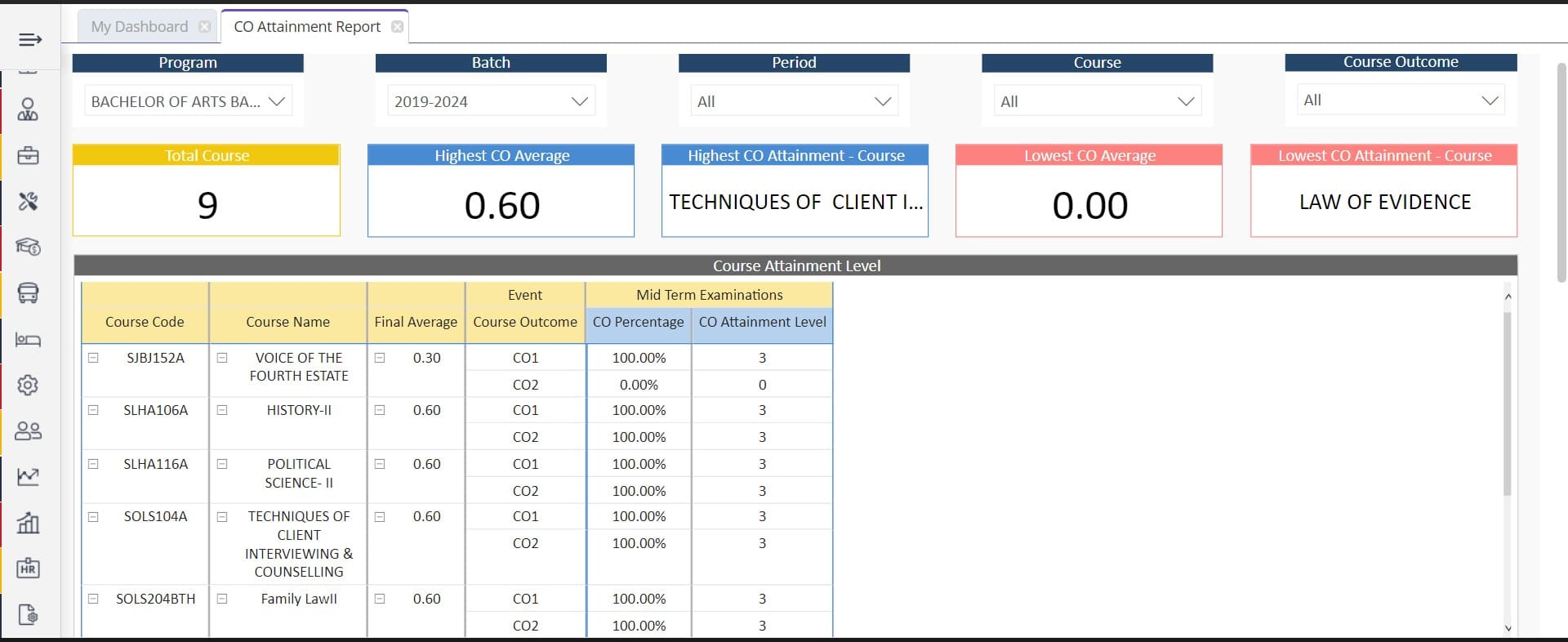
  4. CO Attainment Report:

    CO Attainment Report

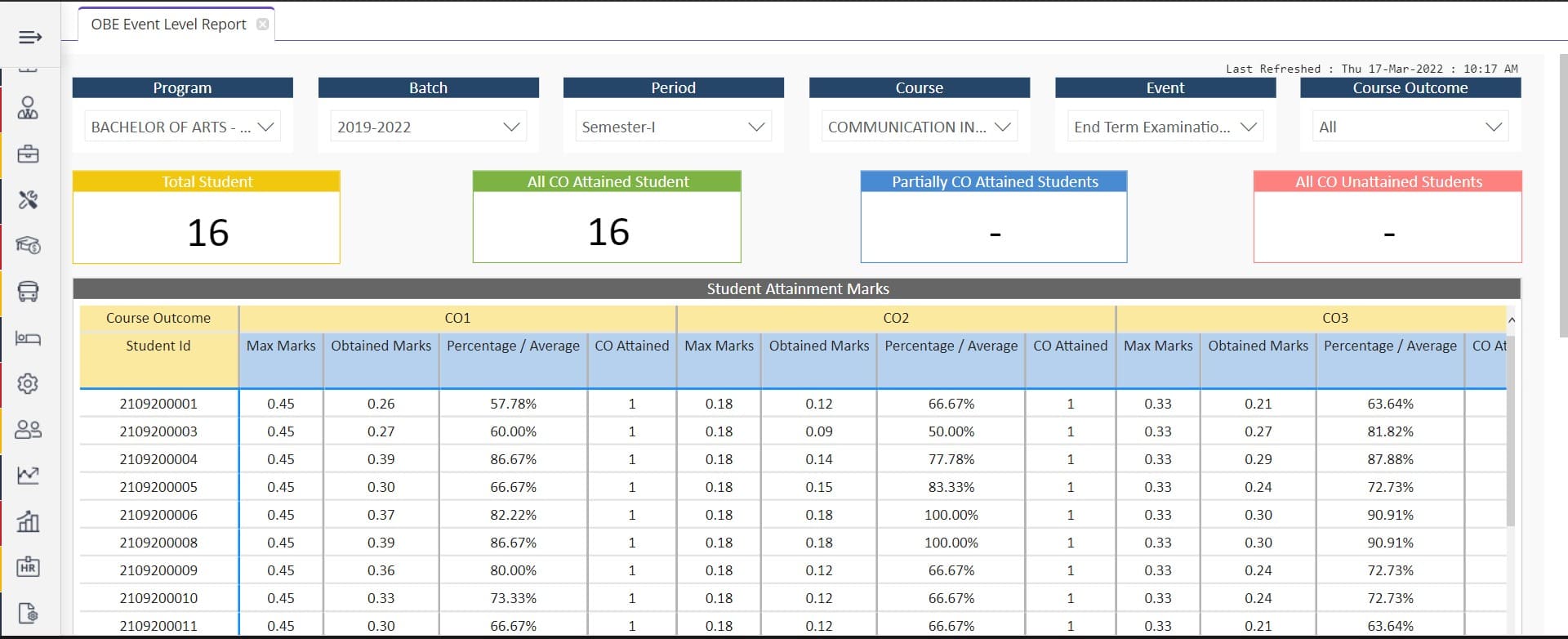
  5. OBE Event Level Report:

OBE-Event-Level

Discover more about the process of OBE implementation and how Academia ERP facilitates its successful execution. To gain a comprehensive understanding, we invite you to request a personalized demo.

The Indispensable Role of an ERP in Making Educational Institutions Future-Ready

Educational institutions constantly evolve, seeking more efficient ways to manage their diverse operations. This quest has led to the adoption of Education ERP software. Education ERP, or Enterprise Resource Planning software, is a suite of integrated applications an institution can use to collect, store, manage, and interpret data from various activities. It’s a unified system streamlining academic and administrative tasks, enhancing efficiency and effectiveness. With the advent of Cloud Education ERP, these benefits have only become more profound. So, how does an ERP contribute to making educational institutions future-ready? Let’s explore.

A Comprehensive Solution to Data Management

Educational institutions deal with vast amounts of data, ranging from student and teacher information to financial details and academic records. Managing this data manually is not only cumbersome but also prone to errors. Education ERP software is a comprehensive solution, providing a central database for easy and efficient data management. This method leads to improved decision-making, a vital attribute for institutions aiming to be future-ready.

Promoting Collaborative Learning Environment

One of the critical characteristics of future-ready institutions is a collaborative learning environment. A cloud education ERP helps to foster this by providing communication and collaboration tools. These tools facilitate real-time communication between students, teachers, parents, and administrators, promoting a more collaborative and inclusive learning environment. These features also ensure transparency, a key component for building trust in any educational institution.

Efficient Resource Management

Efficient resource management is another critical aspect of future-ready educational institutions. Education ERP software helps schools and colleges to manage their resources more effectively. This approach includes financial, inventory, human resources, and even transportation management. With all these operations streamlined, institutions can focus more on their core task – imparting education.

Enhancing Accessibility with Cloud Education ERP

Cloud-based Education ERP software is a game-changer in the realm of education. It ensures that data and applications are accessible from anywhere, anytime, and on any device with an internet connection. This feature is significant in today’s world, where remote learning has become a crucial aspect of education. By adopting a cloud education ERP, institutions can ensure they are well-equipped to handle future educational landscape changes.

Scalability for Future Growth

Scalability is a crucial factor for educational institutions planning for the future. As institutions grow, the amount of data they handle and the complexity of their operations also increase. Education ERP software offers scalability, allowing institutions to quickly expand their operations without significant infrastructure investments. This future-proofs the institutions, ensuring they can comfortably accommodate growth.

Ensuring Data Security

Data security is a primary concern for educational institutions, especially with the increasing amount of sensitive information they handle. A breach can have serious consequences, both legally and reputationally. Education ERP software has robust security measures, ensuring all data is securely stored and accessed. As we move towards an increasingly digital future, this aspect of ERP systems is invaluable.

Driving Innovation through Analytics

Innovation is a crucial trait of future-ready institutions. Education ERP software provides analytics tools to help institutions identify trends and patterns, providing insights that drive innovation. Whether it’s enhancing teaching methods, improving student performance, or optimizing resource usage, these insights can be instrumental in pushing the boundaries of what’s possible in education.

In conclusion, Education ERP software is pivotal in making educational institutions future-ready. It offers an efficient, comprehensive, scalable solution for managing operations, promoting collaboration, enhancing accessibility, ensuring data security, and driving innovation. With the added benefits of cloud technology, these systems are set to become the cornerstone of future education infrastructure, paving the way for a more efficient, inclusive, and innovative learning environment.

How does student tracking software help students & educators improve performance?

Student success is one of the most important metrics for determining the quality of education education institutes provide. Meanwhile, attaining a higher student success rate is not as problematic in colleges, and K-12 segment struggle a lot. 

In this course, a college can use modern-day technology to ensure a higher student success rate and provide the right tools to the academic staff to identify students that are at risk. 

One tool that can help you in assuring a higher student success rate is student tracking software. Most student tracking software comes in-built with education ERP software. Additional functionality allows optimal student progress tracking and measuring performance improvements. 

Key characteristics of a student tracking software

Student tracking software is generally an online system that enables educators to manage attendance, track students’ progress, upload and share assignments, organize exams and assign grades, and more. 

Student tracking helps an institute, academic staff, students, and parents. When done right, students can see their progress and understand how to improve. It helps them strategize better for their studies, gain long-term success, and choose the right career path. 

As for teachers, the tool helps them collate information from various aspects that indicate a student is at risk. This tool gives them a comprehensive report on what students are more likely to be at risk. Using the information, a teacher can prepare interventional programs to help students cope with their condition and return to the right path.

Benefits of student tracking software 

  • Accurate attendance tracking

Research indicates that attendance drops when students are less motivated or see classes or courses chosen as less relevant to their career path. 

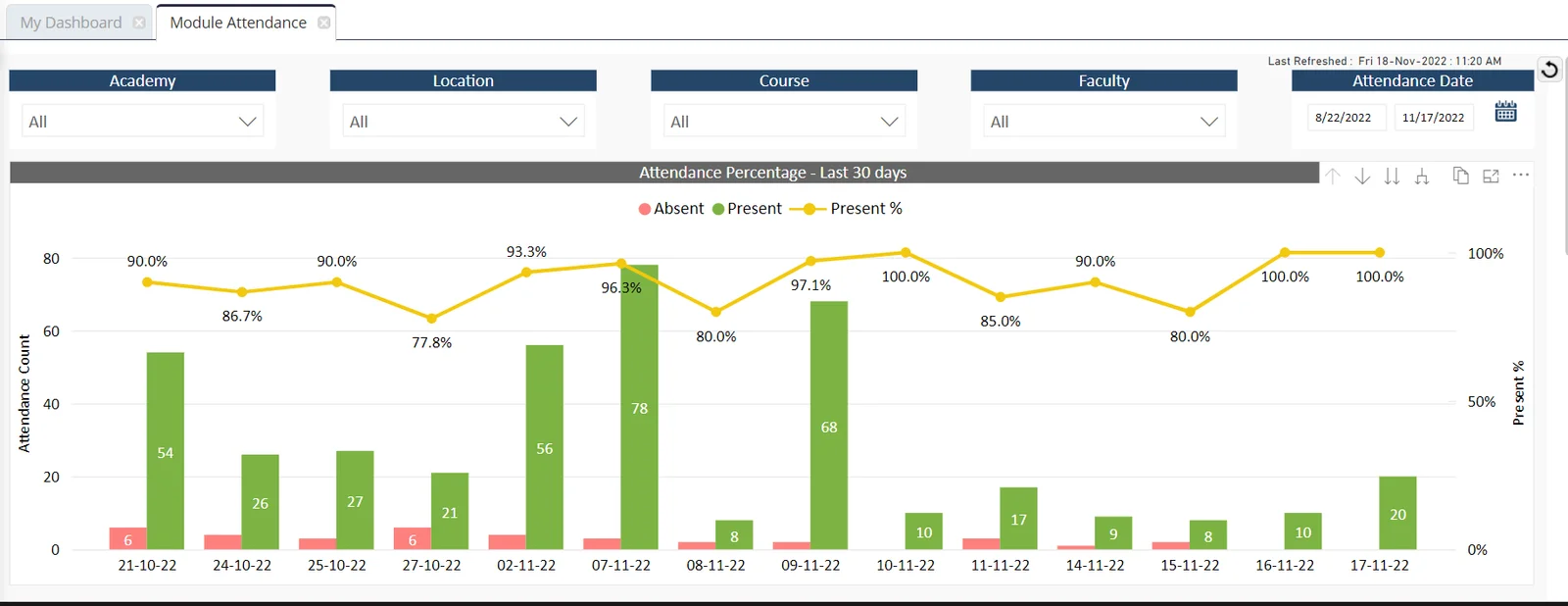
Poor attendance is one way to identify students that are at risk. A student tracking system would allow a teacher to take day-wise and course-wise attendance of a student and generate reports. This system helps a teacher determine what students are falling behind, and they can change their teaching methodology and help students better.


  • Digital processes

Statistics is a powerful tool that helps you see the hidden patterns in the data and provide helpful information. Manually performing various operations and processes does not give scope to generate meaningful information, as it is difficult to collate the data in one place and process it to find information. 

But a student tracking software keeps a centralized database of all the student-related data. This process would allow teachers access to information faster and ensure higher productivity. This means more time can be spent with students rather than wasting on repetitive tasks.

  • Reporting and Analysis

Student tracking software makes in-depth analysis simpler and faster. Since all the data is centralized, a teacher can run various operations to generate reports to identify a student’s weaknesses, strengths, and more. It also provides reports on students’ participation in academic and non-academic activities. 

A student information system infused with AI can help you form a better understanding of your students as a group and as an individual. 

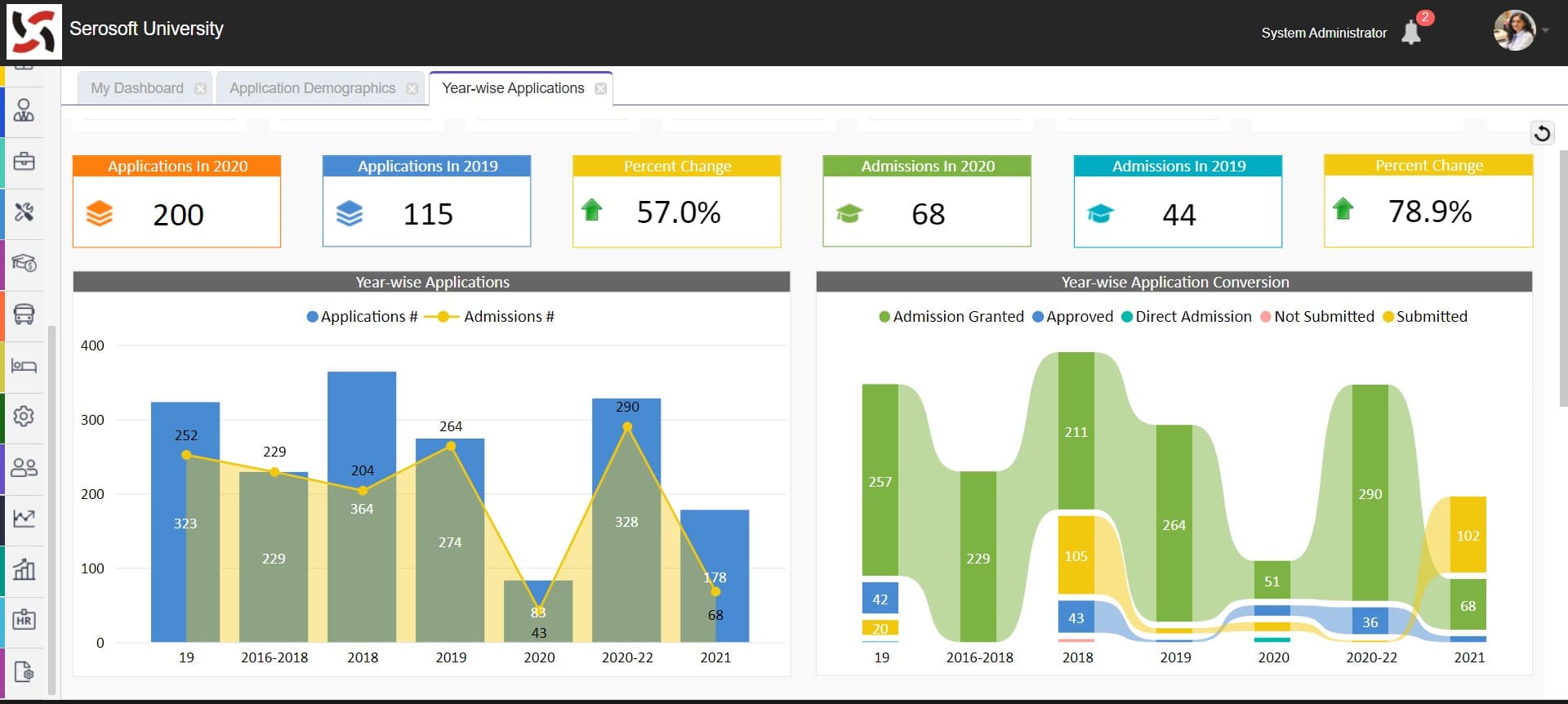
Year-Wise Application Analysis

                                                                                                         Year-Wise Application Analysis

Get the best student tracking software here! 

Academia ERP is an advanced education ERP system that can be integrated with your existing digital infrastructure. The software helps you undergo digital transformation through its 40+ modules, which include admissions, attendance, examination, fees & finances, and more. 

Managing Multiple Colleges in Multiple Cities with Academia ERP/SIS

Building a Unified Digital Infrastructure

Introduction

Managing multiple colleges across various cities can be daunting in today’s rapidly evolving educational landscape. Institutions must ensure consistent quality, streamline administrative processes, and maintain effective communication channels. One of the most powerful solutions to address these challenges is implementing a centralized system like Academia ERP/SIS. This blog post will explore the benefits of using Academia ERP/SIS as a unified digital infrastructure for managing multiple colleges in multiple cities.

  • Centralized Data Management

Managing data across multiple colleges can be complex and time-consuming. With Academia ERP/SIS, institutions can centralize their data management, allowing easy access to critical information, such as student records, faculty details, course offerings, and financial data. Centralized data management leads to improved data accuracy, consistency, and security, ultimately enhancing decision-making processes and overall institutional efficiency.

  • Streamlined Administrative Processes

Academia ERP/SIS can help institutions automate various administrative tasks, such as enrollment, course registration, attendance tracking, and fee management. By automating these processes, institutions can save time, reduce human error, and ensure a consistent experience for students and staff across all locations. Streamlined administrative processes also allow institutions to allocate resources more effectively and focus on strategic initiatives to drive growth and success.

  • Enhanced Collaboration and Communication

A centralized system like Academia ERP/SIS can facilitate seamless collaboration and communication among faculty, students, and staff across multiple colleges. Institutions can foster a more cohesive learning environment and strengthen their academic community by providing a unified platform for sharing information, resources, and best practices. Enhanced collaboration and communication can also lead to the developing of innovative and interdisciplinary programs, further boosting the institution’s reputation and attractiveness.

  • Simplified Reporting and Analytics

Implementing Academia ERP/SIS enables institutions to access real-time data and generate comprehensive reports on their operations, such as student performance, enrollment trends, and financial performance. With simplified reporting and analytics, institutions can make more informed decisions and identify areas for improvement, leading to more effective management and strategic planning across all colleges.

  • Consistent Student Experience

A centralized system like Academia ERP/SIS ensures that students receive a consistent experience, regardless of the college or city they are studying in. This consistency can lead to increased student satisfaction, better retention rates, and a stronger reputation for the institution. In addition, a unified platform can help institutions better understand student needs and preferences, enabling them to tailor their offerings and support services accordingly.

  • Scalability and Flexibility

Academia ERP/SIS is designed to grow with your institution, providing the scalability and flexibility to manage multiple colleges across various cities. As your institution expands, the centralized system can easily adapt to accommodate new locations, courses, and programs. This scalability and flexibility allow institutions to remain agile and responsive to changing market conditions and student needs.

  • Cost-Efficiency

Investing in a centralized system like Academia ERP/SIS can save significant costs for institutions managing multiple colleges. Institutions can achieve greater cost-efficiency and strategically allocate resources by streamlining processes, reducing administrative burdens, and eliminating the need for multiple standalone systems.

Conclusion

Managing multiple colleges in multiple cities can be a complex and challenging endeavor. By implementing a centralized system like Academia ERP/SIS, institutions can build a unified digital infrastructure that streamlines processes, enhances collaboration, and drives efficiency. Embracing Academia ERP/SIS as a core component of your institution’s digital transformation strategy can improve outcomes, greater student satisfaction, and long-term success in an increasingly competitive higher education landscape.

Meeting Student Expectations: Future Readiness Preparation

Empowering Student Preparation: The Role of Student Information Systems

Introduction

As the world of work continues to evolve, students are increasingly looking to their higher education institutions for guidance and support in preparing for the future. Institutions must understand what students want from future readiness preparation and how they can effectively leverage Student Information Systems (SIS) to address these needs. In this article, we will explore the key aspects of future readiness preparation that students desire and how implementing a modern SIS can help institutions meet these expectations.

  • Personalized Career Guidance and Support

Students seek tailored career guidance and support to help them navigate the complex and ever-changing job market. SIS can assist institutions in providing personalized advice by collecting and analyzing data on students’ interests, skills, and academic performance. This information can then be used to create individualized career plans, recommend suitable courses and extracurricular activities, and connect students with relevant internship and job opportunities.

  • Real-World Skills Development

In addition to traditional academic knowledge, students want to develop the real-world skills required for success in their chosen careers. SIS can help institutions identify skill gaps and develop targeted programs and initiatives to address them. By tracking student progress and outcomes, institutions can continuously refine their offerings to ensure they remain relevant and effective in preparing students for the future.

  • Enhanced Collaboration and Networking Opportunities

Students are increasingly aware of the importance of networking and collaboration for career success. A modern SIS can facilitate collaboration and networking by enabling institutions to create online communities, discussion forums, and platforms for students to connect with their peers, alumni, and industry professionals. This technique can help students build valuable relationships, exchange ideas, and access resources to support their future readiness preparation.

  • Access to Mentorship and Professional Development

Mentorship and professional development opportunities are essential for students as they prepare for their future careers. SIS can support institutions in connecting students with suitable mentors, both from within the institution and from external industry professionals. In addition, SIS can help institutions track and manage professional development events, workshops, and training sessions to ensure students have access to the resources they need to grow and succeed.

  • Exposure to Industry Trends and Insights

To be adequately prepared for the future, students need to stay informed about the latest trends and developments in their chosen industries. By integrating external data sources and platforms, SIS can help institutions provide students with up-to-date industry information. This approach can enable institutions to offer tailored content, resources, and events to help students stay ahead of the curve and make informed decisions about their future careers.

  • Comprehensive Support for International Students

For many international students, preparing for the future involves navigating the complexities of studying and working in a new country. SIS can assist institutions in providing comprehensive support for international students by streamlining visa processing, managing compliance requirements, and offering tailored resources and services to address their unique needs and challenges.

Conclusion

Understanding and addressing what students want from future readiness preparation is crucial for higher education institutions to remain competitive and relevant. By leveraging the power of modern Student Information Systems, institutions can effectively provide personalized career guidance, real-world skills development, collaboration and networking opportunities, mentorship and professional development, industry insights, and comprehensive support for international students. By doing so, institutions can help students prepare for the future and attract and retain top talent, ultimately contributing to their long-term success.

Adopting Next-Generation Student Information Systems in Higher Education

Introduction

Institutions must continuously adapt and innovate to succeed strategically in an increasingly competitive higher education landscape. One of the most effective ways to do this is by adopting modern Student Information Systems (SIS). These advanced platforms, including improved efficiency, data-driven decision-making, and enhanced student experiences, can benefit higher education institutions. This blog post delves into the advantages of adopting modern higher ed SIS and how they can help institutions find strategic success.

  • Streamlining Administrative Processes

One of the primary benefits of adopting a modern SIS is the streamlining of administrative processes. A robust SIS can automate student enrollment, course registration, grade management, and financial aid processing tasks. By eliminating manual processes and reducing the risk of human error, institutions can save time, reduce costs, and focus on more strategic initiatives to drive success.

  • Enhancing Data-Driven Decision Making

Modern higher-ed SIS platforms allow institutions to collect, analyze, and visualize vast amounts of data from various sources. This information can be leveraged to make data-driven decisions on crucial aspects of institutional operations, such as resource allocation, program development, and student support services. By embracing data-driven decision-making, institutions can improve their effectiveness and efficiency, leading to better outcomes and strategic success.

  • Improving Student Experience and Engagement

A modern SIS can significantly enhance the student experience by offering user-friendly online portals and mobile apps to access essential information and services. This approach to increased accessibility and convenience can lead to higher levels of student engagement and satisfaction, ultimately contributing to improved retention rates and overall success. Additionally, SIS platforms can help institutions better understand student preferences and needs, allowing them to tailor their offerings and support services accordingly.

  • Supporting Strategic Enrollment Management

Strategic enrollment management is crucial for higher education institutions to achieve enrollment goals and maintain financial sustainability. Modern SIS platforms can aid institutions in developing data-driven enrollment strategies by providing insights into applicant demographics, academic performance, and other factors. By leveraging this data, institutions can more effectively target their marketing efforts, identify areas for improvement, and develop initiatives to attract and retain students.

  • Fostering Collaboration and Partnerships

In today’s interconnected world, collaboration and partnerships between higher education institutions are essential to drive innovation and share resources. Modern SIS platforms can facilitate these collaborations by enabling institutions to share data, insights, and best practices and co-create joint programs and initiatives. By fostering collaboration and partnership, institutions can expand their reach, improve their offerings, and achieve greater strategic success.

  • Promoting Diversity and Inclusion

Modern SIS platforms can help institutions in their efforts to promote diversity and inclusion. Institutions can identify underrepresented populations and develop targeted recruitment and retention initiatives by providing insights into student demographics and enrollment patterns. By advertising diversity and inclusion, institutions can attract a broader range of students and create a more enriching learning environment, contributing to overall strategic success.

  • Enhancing Institutional Agility and Responsiveness

Institutions must be agile and responsive in the ever-changing landscape of higher education to stay ahead of the competition. Adopting a modern SIS can help institutions become more agile by providing real-time data and insights that enable them to quickly adapt their strategies and offerings in response to emerging trends and challenges. This way, increased agility, and responsiveness can improve outcomes and long-term strategic success.

  • Strengthening Compliance and Reporting

Higher education institutions must comply with various regulations and reporting requirements at the local, state, and federal levels. Modern SIS platforms can simplify compliance and reporting processes by automating essential data collection, storage, and submission. By streamlining these processes, institutions can reduce the risk of non-compliance, minimize administrative burdens, and free up resources to focus on more strategic initiatives.

  • Supporting Student Success and Retention

Attracting and enrolling students is just one part of the equation; institutions must also focus on student success and retention to achieve long-term strategic success. A modern SIS can play a critical role in this area by providing institutions with the tools to monitor student progress, identify at-risk individuals, and develop targeted support programs. By leveraging the power of SIS to support student success, institutions can improve retention rates, enhance their reputation, and attract more students in the long run.

  • Facilitating Continuous Improvement and Innovation

Finally, adopting a modern SIS can help institutions foster a culture of continuous improvement and innovation. By providing ongoing access to data, insights, and performance metrics, SIS platforms enable institutions to identify areas for improvement, develop new initiatives, and iterate on existing programs and services. This commitment to continuous improvement and innovation can help institutions stay ahead of the competition and achieve lasting strategic success.

Conclusion

Adopting a modern higher ed Student Information System can unlock many benefits for higher education institutions, paving the way for strategic success. Institutions can more effectively compete in today’s higher education landscape by streamlining administrative processes, enhancing data-driven decision-making, and improving the student experience. Embracing the power of modern SIS platforms can transform institutions’ operations and lay the foundation for long-term success in an ever-evolving environment.

Boosting Enrollment: Revolutionizing Recruitment with SIS

Embracing the Future of Higher Education Recruitment

Introduction

Higher education institutions face unprecedented challenges in attracting and retaining students in today’s fast-paced world. As a result, institutions must continually adapt and evolve their recruitment strategies to stay relevant and competitive. One such innovation is the adoption of Student Information Systems (SIS) to streamline and enhance the enrollment process. This blog post delves into the latest trends in higher education recruitment and how implementing SIS can boost enrollment and foster a better student and institution experience.

  • Personalization in Recruitment

One of the most significant trends in higher education recruitment is the shift toward personalization. Prospective students now expect institutions to cater to their unique needs, interests, and aspirations. SIS allows higher education institutions to collect and analyze vast amounts of data on applicants, which can be used to create targeted marketing campaigns and tailor communications to individual preferences. This personalized approach not only helps to increase the likelihood of enrollment but also fosters strong relationships with prospective students.

  • Leveraging Social Media and Online Platforms

Another crucial trend in higher education recruitment is the increased focus on digital marketing and online presence. SIS enables institutions to harness the power of social media, online advertising, and content marketing to reach potential students. By integrating SIS with social media platforms, institutions can more easily track and analyze the effectiveness of their campaigns, allowing them to optimize their digital marketing strategies to maximize engagement and conversions.

  • Emphasizing Value and Outcomes

With rising tuition costs and an increasingly competitive job market, prospective students are more focused than ever on the value and outcomes of their chosen higher education institution. SIS can help institutions to showcase their unique selling points, such as high graduate employment rates, strong industry partnerships, and notable alumni, by providing data-driven insights to create compelling marketing materials. By emphasizing these factors, institutions can better communicate the value of their programs to potential students and encourage enrollment.

  • Enhancing the Application Process

A smooth and straightforward application process is essential to attract and retain prospective students. SIS can help streamline this process by automating various administrative tasks, such as application tracking, document management, and applicant communication. SIS can also enable institutions to create user-friendly online application portals, making it easier for students to submit their applications and track their progress. By simplifying and enhancing the application process, institutions can increase the likelihood of enrollment and reduce dropout rates during the admissions process.

  • Data-Driven Decision Making

In today’s data-driven world, higher education institutions must leverage the power of data to make informed decisions about recruitment strategies. SIS can provide valuable insights into trends, patterns, and student preferences by collecting, analyzing, and visualizing data from various sources. This information can then be used to make data-driven decisions about recruitment campaigns, program offerings, and resource allocation. By embracing data-driven decision-making, institutions can improve their effectiveness and efficiency in attracting and enrolling students.

  • Promoting Diversity and Inclusivity

An increasingly important factor for prospective students when selecting a higher education institution is its commitment to diversity and inclusivity. SIS can assist institutions in achieving these goals by identifying underrepresented populations, analyzing demographic data, and developing targeted recruitment campaigns. By promoting diversity and inclusivity, institutions can attract a wider range of students and foster a more enriching learning environment.

  • Fostering Collaboration and Partnership

In today’s interconnected world, collaboration and partnership between higher education institutions are essential to drive innovation and share resources. SIS can facilitate these collaborations by enabling institutions to share data, insights, and best practices and co-create joint programs and initiatives. By fostering collaboration and partnership, institutions can expand their reach and improve their offerings, ultimately attracting more students and boosting enrollment.

  • Supporting Student Success and Retention

Attracting students is only half the battle; institutions must also focus on student success and retention. SIS can play a critical role in this area by providing institutions with the tools to monitor student progress, identify at-risk individuals, and develop targeted support programs. By leveraging SIS to support student success, institutions can improve retention rates, enhance their reputation, and attract more students in the long run.

Conclusion

The higher education landscape constantly evolves, and institutions must adapt to stay competitive. By embracing the latest trends in recruitment, such as personalization, digital marketing, and data-driven decision-making, higher education institutions can attract and retain students more effectively. Implementing Student Information Systems is a powerful way to streamline processes, gain valuable insights, and foster a better experience for students and institutions. By leveraging the power of SIS, higher education institutions can successfully navigate the challenges of today’s recruitment landscape and boost enrollment for a brighter future.

Leveraging Student Information System Analytics in Higher Education: Turning Information into Action

Introduction:

Higher education institutions are facing increasing pressure to improve student outcomes, optimize resource utilization, and meet the evolving needs of their diverse student populations. As a result, many institutions are turning to Student Information System (SIS) analytics to transform raw data into actionable insights. In this blog post, we will delve into the role of SIS analytics in higher education and explore how it can empower institutions to make informed decisions that drive progress and enhance the overall educational experience.

  • Unveiling Hidden Patterns with SIS Analytics

Student Information Systems house vast amounts of data, from student demographics to academic performance and attendance. SIS analytics enable institutions to unlock the potential of this data by identifying trends, uncovering hidden patterns, and revealing correlations between various factors. By examining these insights, educators can make data-driven decisions to improve student outcomes, enhance retention, and better allocate resources.

  • Personalized Learning Experiences

One of the most significant benefits of SIS analytics is its ability to support personalized learning. Institutions can identify specific learning needs, strengths, and weaknesses by analyzing individual student data. With this information, educators can create tailored learning plans, modify teaching strategies, and provide targeted interventions to support each student’s academic growth.

  • Early Warning Systems for At-Risk Students

SIS analytics can be instrumental in identifying students who may be at risk of falling behind or dropping out. By analyzing factors such as attendance, academic performance, and engagement, institutions can develop early warning systems that alert educators to potential issues. This enables institutions to intervene proactively, offering support and resources to help students overcome challenges and stay on track.

  • Enhancing Curriculum and Program Development

Data-driven insights from SIS analytics can be invaluable in guiding curriculum and program development. By analyzing student performance data, institutions can identify areas where curricula need improvement or modification. This ensures that programs remain relevant and effective, fostering student success and better preparing them for the demands of the workforce.

  • Boosting Recruitment and Retention Efforts

SIS analytics can play a crucial role in refining recruitment and retention strategies. Institutions can identify trends and patterns that may influence student enrollment and retention by examining demographic data. This enables institutions to fine-tune their marketing and outreach efforts, targeting specific student populations and addressing potential barriers to enrollment and retention.

  • Facilitating Institutional Planning and Resource Allocation

Informed decision-making is at the heart of effective institutional planning and resource allocation. SIS analytics provide institutions valuable insights into student needs, program performance, and resource utilization. These insights enable institutions to make strategic decisions that align with their goals and objectives, ensuring that resources are allocated efficiently and effectively.

Conclusion:

Leveraging Student Information System analytics in higher education can be transformative, enabling institutions to turn information into action and drive progress across multiple dimensions. By harnessing the power of data-driven insights, institutions can create personalized learning experiences, improve student outcomes, enhance recruitment and retention efforts, and make informed decisions that optimize resource allocation. As higher education institutions continue to navigate an increasingly complex landscape, embracing SIS analytics will be crucial in fostering success and remaining competitive in the ever-evolving world of education.

Stay tuned as we explore how digital transformation can revolutionize educational institutions, whether they are standalone entities or have multiple branches.

Back to top