
Academia Higher-Ed Executive Roundtable in Uzbekistan | 14 October 2026 — Shaping the Future of Higher Education Together

X

Type your keyword below

How to Choose the Right Student Information System (SIS) Partner: A Complete Checklist for Higher Education Leaders

Selecting a Student Information System (SIS) is one of the most important technology decisions a university will make. Yet the success of an SIS depends on more than its features; it depends on the partner behind it. This guide explores the qualities that define a trusted SIS partner, drawing on insights from Gartner and Deloitte, along with observations from Academia by Serosoft’s experience supporting higher education institutions worldwide. Whether you’re replacing a legacy system or planning a campus-wide digital transformation, this checklist will help you evaluate SIS providers strategically and choose a partner that can support your institution’s long-term vision.

Your Next SIS Decision Will Shape the Next Decade

Universities across the world are accelerating digital transformation, investing in technologies that improve operational efficiency, student success, and institutional agility. During the evaluation process, many institutions compare features, pricing, and implementation timelines. Yet despite careful planning, some projects fall short of expectations.

The reason is often simple: universities choose the right software but the wrong partner.

A Student Information System influences every stage of the student journey from admissions and academics to finance, reporting, and alumni engagement. Choosing an SIS isn’t simply a technology purchase; it’s selecting a long-term partner that will help shape your institution’s future.

According to Gartner, organisations that align technology investments with long-term strategic goals rather than focusing only on product functionality are more likely to achieve successful digital transformation. The research also emphasises evaluating vendor expertise, implementation capabilities, and continuous innovation alongside platform features.

That lesson is especially relevant for higher education.

The real question isn’t:

“Which Student Information System has the most features?”

It’s:

“Which SIS partner will help us achieve our institutional vision?”

Every University Wants a Better SIS. Few Start With the Right Question.

Most technology discussions begin with familiar questions:

  • Does the platform support our academic processes?
  • Can it integrate with our existing systems?
  • Does it include AI capabilities?
  • How long will implementation take?

These questions are important, but they shouldn’t come first.

Before evaluating any platform, institutions should define what they want to achieve. A university expanding internationally has different priorities from one focused on improving student retention or strengthening research capabilities. When institutional goals are clear, selecting the right SIS partner becomes significantly easier.

Based on Academia by Serosoft’s experience partnering with 400+ universities across 32+ countries, institutions that achieve the greatest success with digital transformation are those that define their long-term academic and operational goals before evaluating technology. When the institutional vision comes first, universities are better positioned to choose an SIS that supports sustainable growth rather than simply solving today’s administrative challenges.

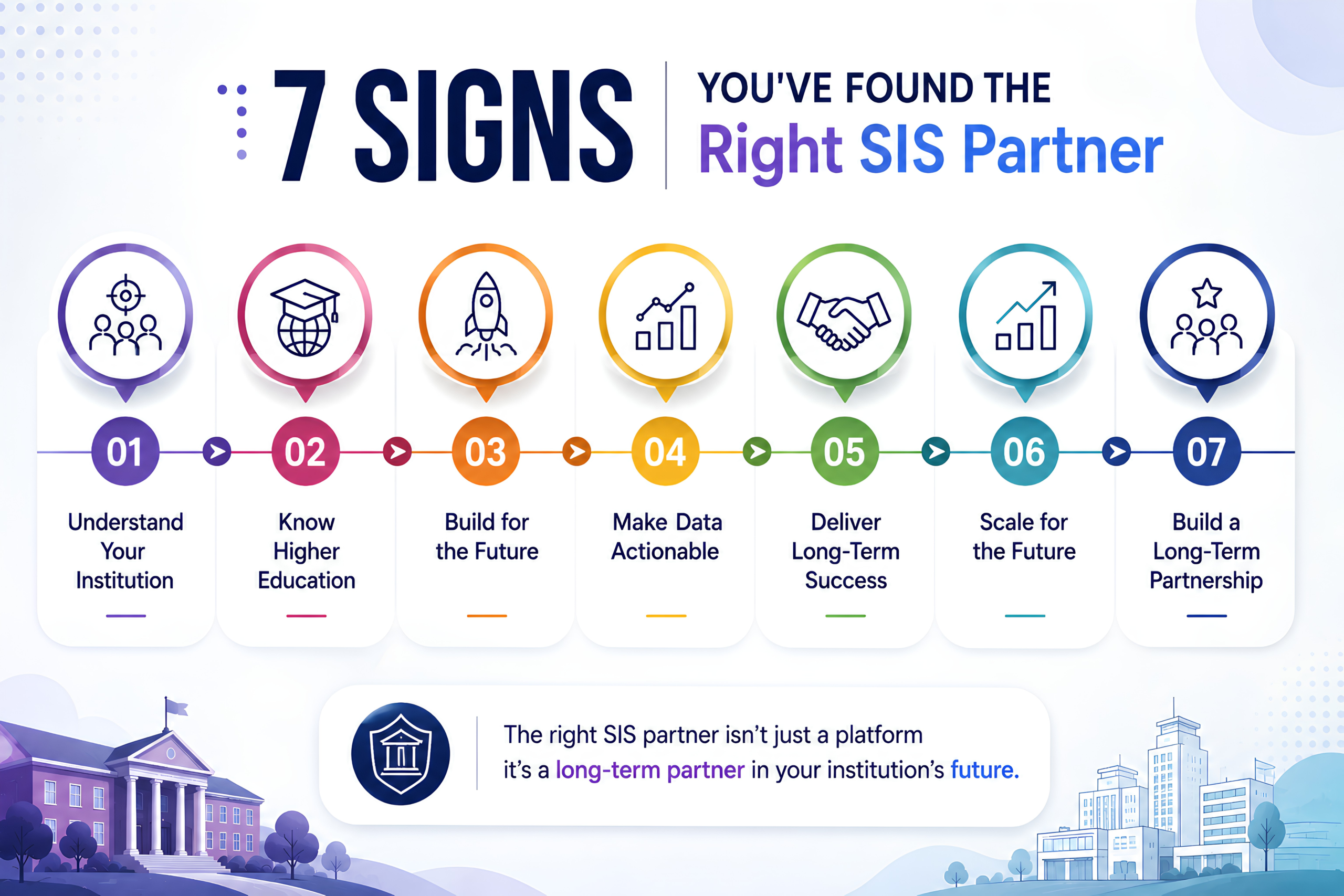
Seven Signs You’ve Found the Right SIS Partner

1. They Understand Your Institution

The best SIS partners don’t begin with a product demonstration; they begin with discovery. They take time to understand your university’s vision, academic structure, operational challenges, and long-term priorities before recommending a solution. This ensures the platform supports your institution instead of forcing your institution to adapt to the technology.

2. They Know Higher Education

Higher education has unique academic structures, compliance requirements, and student journeys that generic software providers often overlook. A partner with deep sector expertise brings proven best practices, reduces implementation risks, and accelerates user adoption. Instead of asking how many customers a vendor serves, ask how many universities they have successfully transformed.

3. They Build for the Future

A Student Information System should support both today’s operations and tomorrow’s ambitions. As AI, digital-first campuses, and evolving student expectations reshape higher education, institutions need a partner committed to continuous innovation. Look beyond current features and evaluate the provider’s roadmap, AI capabilities, scalability, and long-term product vision.

4. Make Data Actionable

Universities generate enormous volumes of data every day, but data alone doesn’t improve outcomes. The real value lies in turning information into insights that support faster, better decisions.

A strong SIS partner provides real-time dashboards, AI-powered analytics, and actionable reporting that help leaders monitor enrolment, student success, finances, and institutional performance from a single source of truth.

Deloitte’s 2025 Global Higher Education Outlook highlights that universities are increasingly investing in connected digital ecosystems and AI-driven analytics to improve operational efficiency and enable more informed decision-making.

When evaluating an SIS, ask yourself: Will this platform simply collect data, or will it help our institution act on it?
 

Right SIS Partner

5. Commit Beyond Implementation 

An SIS implementation is not the finish line; it’s the foundation for long-term digital transformation.

The right partner remains engaged after deployment through continuous product enhancements, user training, customer success programs, and strategic guidance. Before making a decision, understand how the vendor supports institutions beyond implementation and how frequently the platform evolves.

The best partnerships continue delivering value long after go-live.

6. Scale for the Future

Higher education is constantly evolving. Institutions launch new programs, expand campuses, adopt emerging technologies, and respond to changing student expectations.

Your Student Information System should evolve just as quickly. Choose a cloud-native platform designed to scale with institutional growth, integrate seamlessly with other campus systems, and adapt to future academic and operational needs.

7. Build a Long-Term Partnership

Choosing an SIS is about more than software; it’s about selecting a partner committed to your institution’s success.

The strongest providers continue to innovate, share best practices, and help universities maximise the value of their investment. Look for a partner that understands your goals, listens to your challenges, and grows alongside your institution.

Why Universities Around the World Choose Academia by Serosoft

The right SIS partner combines deep higher education expertise with continuous innovation.

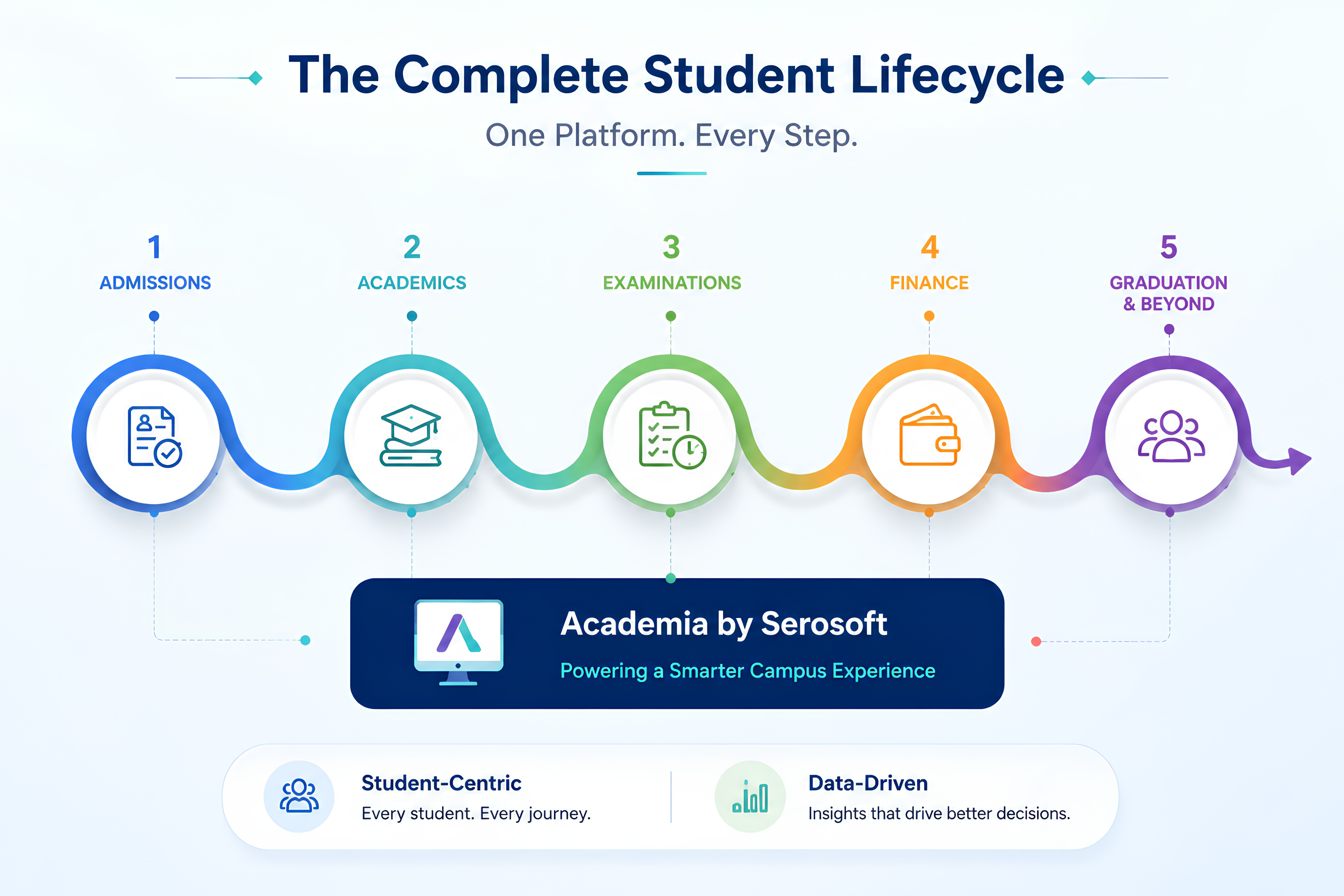
Trusted by 400+ universities and colleges across 32+ countries and supporting over one million active learners, Academia by Serosoft delivers an AI-powered Student Information System that unifies the complete student lifecycle from admissions and academics to finance, analytics, and student services.

With SERA AI, 400+ AI-powered reports and dashboards, cloud-native architecture, enterprise-grade security, and seamless integrations, Academia helps institutions improve efficiency, enhance decision-making, and accelerate digital transformation.

Drawing on Academia by Serosoft’s experience supporting higher education institutions across 32+ countries, universities are increasingly prioritising AI readiness, scalability, continuous innovation, and long-term partnership when selecting an SIS provider. These factors have become just as important as functionality in determining long-term digital transformation success.

Executive Evaluation Scorecard

Before selecting an SIS partner, evaluate providers using these strategic questions rather than product features alone.


Evaluation Area Ask Yourself Strong Indicator
Institutional Expertise Has this partner solved challenges similar to ours? Extensive higher education experience.
AI & Innovation Will this platform remain relevant in five years? Clear AI roadmap and continuous innovation.
Implementation Who will support us after deployment? Dedicated implementation and customer success teams.
Scalability Can the platform grow with our institution? Multi-campus and future-ready architecture.
Analytics Will leadership gain meaningful insights? Real-time dashboards and AI-powered reporting.
Partnership Are we buying software or building a long-term relationship? Ongoing collaboration and continuous support.

The scorecard helps evaluate providers strategically. To complement it, the checklist below highlights the practical green flags to look for and warning signs to avoid during vendor evaluations.
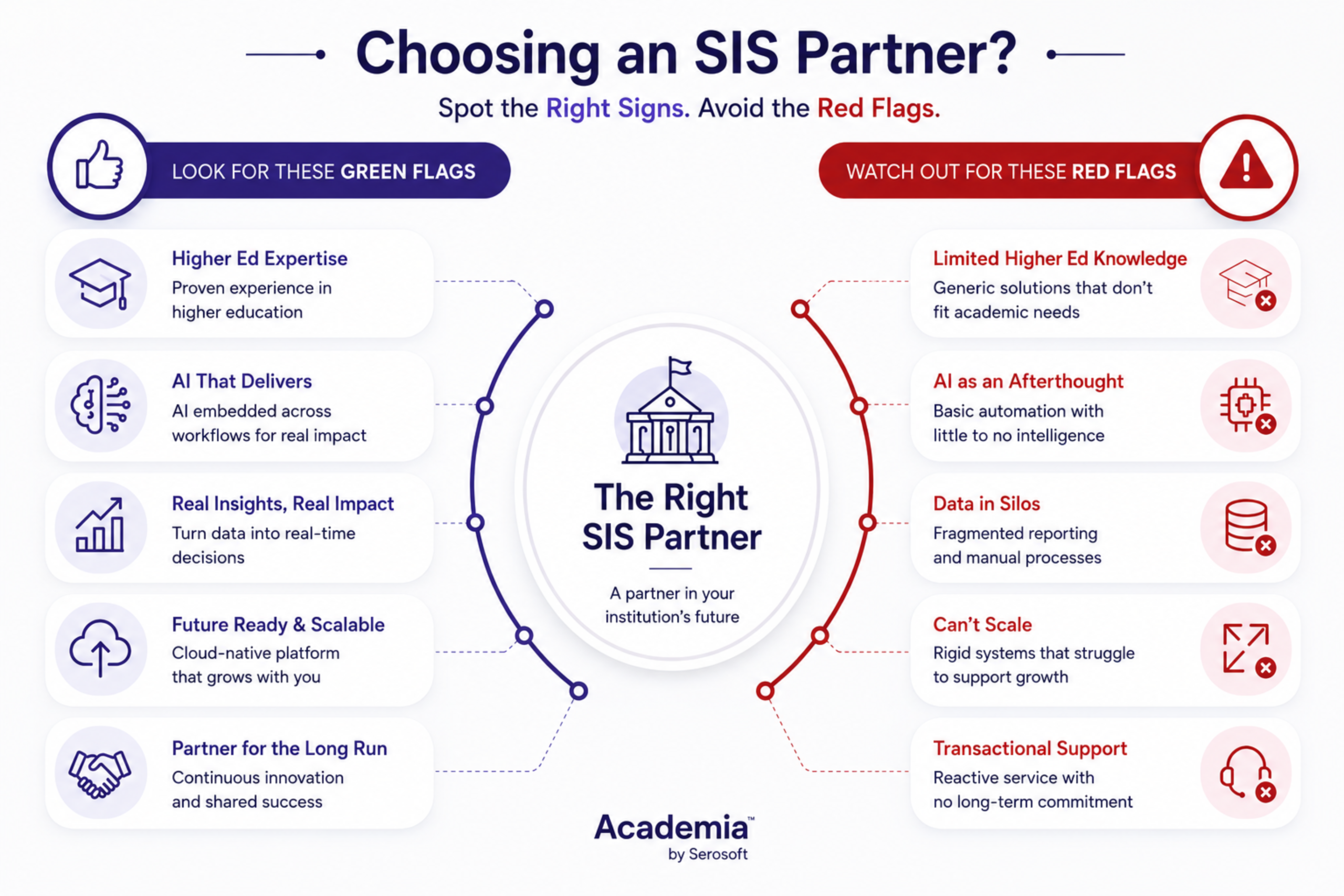
 

Choosing an SIS Partner

Green Flags vs. Warning Signs

Area Green Flag Warning Sign
Higher Education Expertise Proven university experience. Limited higher education knowledge.
AI & Innovation AI embedded across workflows. Basic or limited AI capabilities.
Implementation Structured onboarding and change management. Weak implementation planning.
Data & Analytics Real-time, actionable dashboards. Manual reporting and fragmented data.
Integration Seamless campus-wide integrations. Multiple disconnected systems.
Customer Partnership Continuous support and product innovation. Reactive support after implementation.

Final Thoughts: Choose a Partner, Not Just a Platform

Selecting a Student Information System is more than a technology decision; it’s a strategic investment in your institution’s future. The right SIS partner will help streamline operations, improve the student experience, enable data-driven decision-making, and adapt to the changing needs of higher education.

As universities embrace AI and digital transformation, success will depend not only on the capabilities of the platform but also on the expertise, innovation, and long-term commitment of the partner behind it.

Don’t choose the platform with the longest feature list.

Choose the partner that will help your institution achieve its vision.

Ready to Transform Your Institution?

Choosing the right SIS partner is the first step toward building a connected, future-ready campus.

Trusted by 400+ universities and colleges across 32+ countries, Academia by Serosoft delivers an AI-powered Student Information System that helps institutions simplify operations, improve student experiences, and make smarter decisions with real-time insights.

Connect with our experts to discover how Academia can support your institution’s digital transformation journey.  

Frequently Asked Questions (FAQs)

1. What is a Student Information System (SIS)?

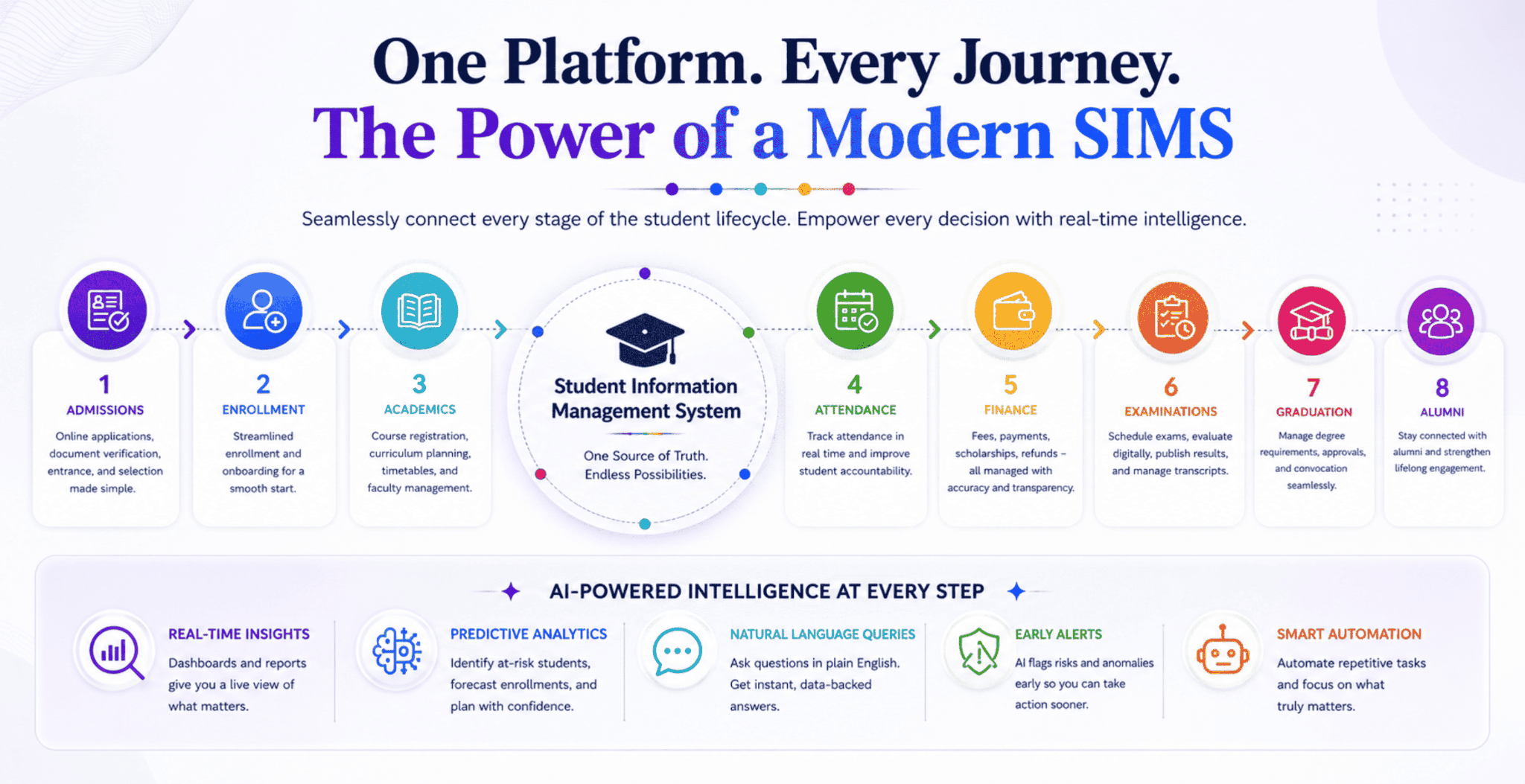
A Student Information System (SIS) is a centralised platform that manages the complete student lifecycle, including admissions, enrollment, academics, examinations, finance, student services, graduation, and alumni engagement. Modern SIS platforms also provide automation, analytics, and AI-powered insights to support institutional decision-making.

2. What should universities look for when choosing an SIS partner?

Universities should evaluate a partner’s higher education expertise, implementation experience, AI capabilities, scalability, integration capabilities, customer support, and long-term product vision, not just platform features.

3. Why do universities choose Academia by Serosoft?

Academia by Serosoft is an AI-powered Student Information System trusted by 400+ institutions across 32+ countries. It combines comprehensive student lifecycle management, cloud-native architecture, AI-powered analytics, seamless integrations, and continuous innovation to help institutions accelerate digital transformation.

4. How does Academia support institutions after implementation?

Academia provides dedicated implementation support, onboarding, continuous training, customer success, and regular product enhancements to help institutions maximise long-term value from their SIS investment.

5. How does AI improve a Student Information System?

AI enhances Student Information Systems by automating routine tasks, generating real-time insights, supporting predictive analytics, and enabling faster, data-driven decision-making. This allows universities to improve operational efficiency while focusing more on student success and institutional growth.

Higher Education ERP for Examination Management: What Universities Should Look for in 2026

Examination management has evolved far beyond publishing results. As universities adopt Outcome-Based Education (OBE), continuous assessments, interdisciplinary programs, and hybrid learning models, managing complex grading policies and academic regulations has become increasingly challenging. This blog explores why legacy examination systems are struggling to keep pace and what universities should look for in a future-ready Higher Education ERP that supports flexibility, governance, and institutional growth.
It also highlights the key capabilities of a modern AI-powered Student Information System, including configurable grading models, end-to-end examination workflows, real-time analytics, seamless integrations, and policy-driven automation. By adopting an integrated ERP platform, universities can simplify academic complexity, improve decision-making, strengthen compliance, and build a more agile foundation for the future of higher education.

Results Day Isn’t the Problem. Complexity Is.

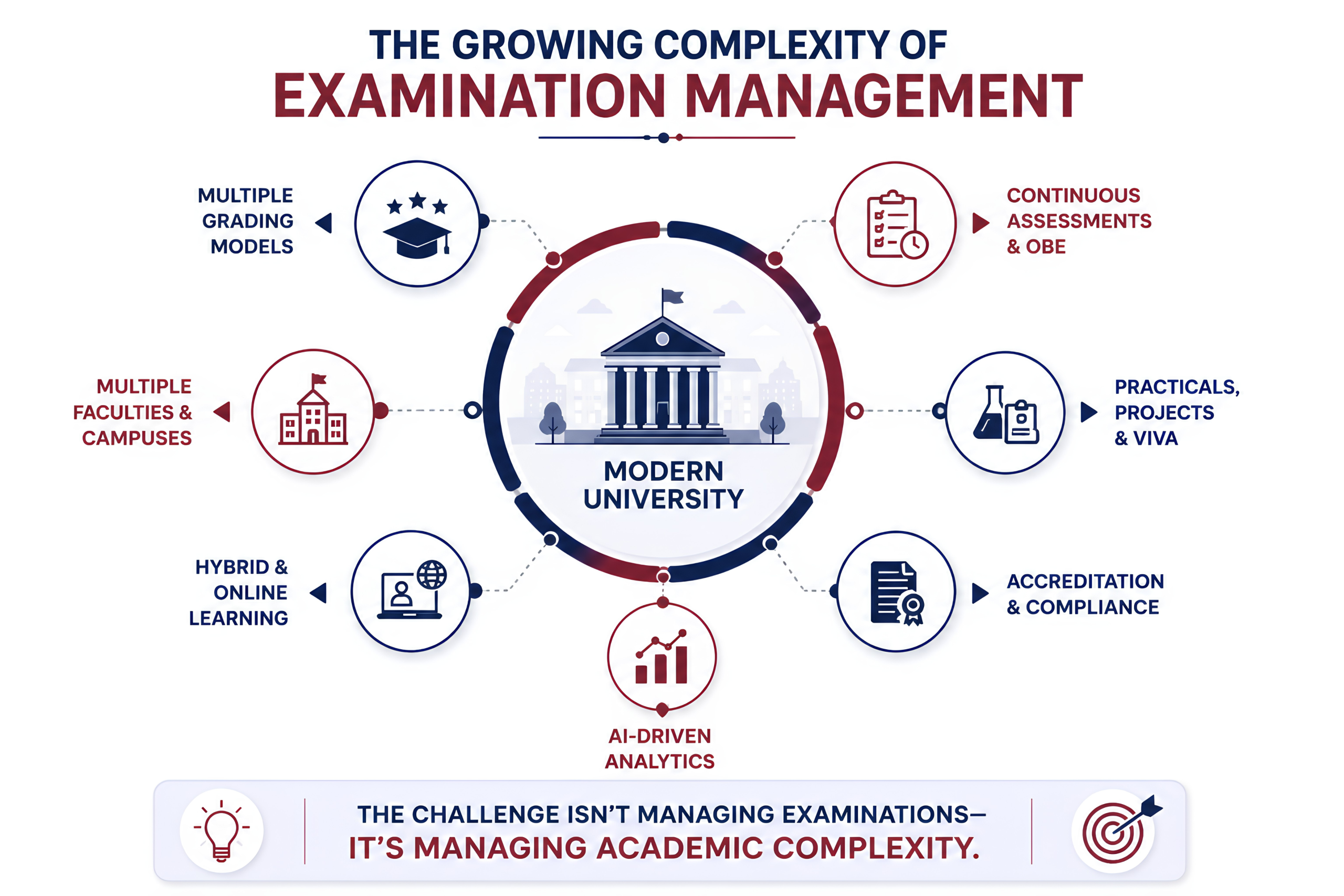
For universities, examination management has become far more than scheduling assessments and publishing results. As academic models continue to evolve, institutions must manage diverse grading methodologies, continuous assessments, interdisciplinary programs, and ever-changing regulatory requirements all while ensuring accuracy, transparency, and a seamless student experience.

The challenge isn’t simply publishing results. It’s managing the growing complexity behind them. Processes and systems that worked a decade ago are increasingly struggling to support the flexibility modern higher education demands. Universities are no longer asking, “How do we digitise examinations?” They’re asking, “How do we build an academic system that can evolve as quickly as higher education itself?”

That shift is redefining what institutions should expect from a Higher Education ERP.

According to the EDUCAUSE Horizon Report: Teaching and Learning Edition, artificial intelligence and learning analytics are among the technologies expected to have the greatest impact on higher education, particularly in assessment, learner success, and institutional decision-making. Rather than simply automating administrative work, universities are investing in technologies that improve academic quality, institutional agility, and data-informed decision-making.

Examination Management Has Changed. Has Your ERP?

For years, examination management was viewed as an operational function: schedule examinations, record grades, publish results, and generate transcripts.

That model no longer reflects reality.

Today, universities manage multiple grading methodologies across faculties, diverse assessment formats, cross-disciplinary programs, online and hybrid learning environments, and increasingly rigorous accreditation requirements. The complexity isn’t driven by the number of students alone; it’s driven by the number of academic rules, exceptions, and policies institutions must manage simultaneously.

After partnering with higher education institutions across 32 countries, Academia by Serosoft has observed that universities rarely struggle because grading is difficult. They struggle because academic policies evolve faster than the systems designed to support them.

This is why many institutions are rethinking their technology strategy.

According to Gartner’s 2024 Higher Education CIO research, Student Information Systems (SIS), catalogue and curriculum management solutions, and human resources systems remain among the core enterprise applications prioritised for replacement and modernisation. The message is clear: universities are looking for flexible, cloud-based platforms that can adapt to changing academic and institutional needs, not rigid systems that require workarounds every time a policy changes.

The question is no longer whether universities need a modern Student Information System.

The real question is whether their existing ERP is designed for the complexity of higher education in 2026.


Examination Management System

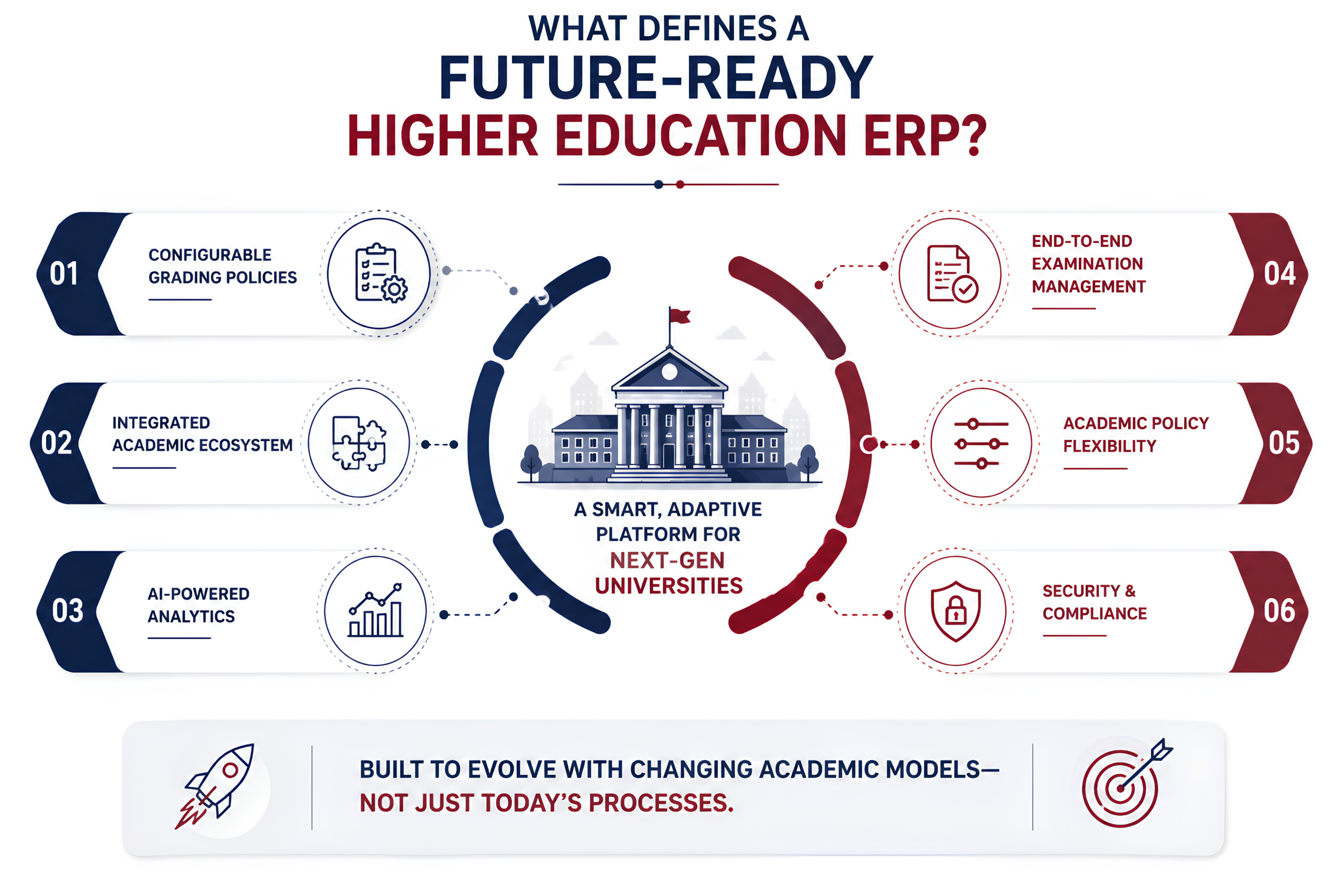
What Should Universities Look for in a Higher Education ERP?

A future-ready ERP isn’t the one with the longest feature list.

It’s the one that gives institutions the flexibility to support today’s academic requirements while preparing for tomorrow’s.

When evaluating a Higher Education ERP for examination and grading management, universities should focus on capabilities that strengthen academic governance, not just administrative efficiency.


Evaluation Criteria Why It Matters
Configurable grading models Supports GPA, CGPA, percentages, letter grades, and institution-specific grading policies without heavy customisation.
Comprehensive assessment management Manages internal assessments, practicals, projects, dissertations, viva examinations, and continuous evaluations in one platform.
End-to-end examination workflows Automates scheduling, evaluation, moderation, result processing, and transcript generation while reducing manual intervention.
Policy flexibility Enables different faculties, campuses, and academic programs to follow unique regulations within the same system.
Real-time analytics Provides academic leaders with actionable insights into student performance, progression, and institutional outcomes.
Seamless integrations Connects admissions, finance, LMS, and other campus systems to create a unified academic ecosystem.
Security and compliance Protects sensitive academic records while supporting governance, audits, and regulatory requirements.

The best Higher Education ERPs don’t simply automate examinations; they provide the flexibility institutions need to respond confidently to changing academic models, accreditation frameworks, and student expectations.

Myth vs. Reality: Rethinking Examination Management

Many universities continue to evaluate examination technology using assumptions that no longer reflect today’s academic environment.


Myth Reality
We only need examination software Examination management is only one part of the academic lifecycle. A connected Student Information System creates better visibility, governance, and consistency across the institution.
Every faculty member can follow the same grading model Different schools and departments often require unique grading structures, assessment methods, and academic policies.
Going digital automatically solves examination challenges The real challenge lies in managing academic complexity, not simply replacing paper with software.
ERP systems reduce institutional flexibility Modern Higher Education ERPs are designed to adapt to institutional policies, allowing universities to configure workflows without compromising governance.

Universities that are succeeding in digital transformation aren’t just replacing legacy examination systems. They’re rethinking how academic processes, data, and decision-making come together within a single, connected platform.

Traditional Examination Systems vs. Modern Higher Education ERP

The biggest challenge facing universities today isn’t the lack of technology.

It’s the lack of connected technology.

Many institutions have already digitised parts of the examination process. One system schedules examinations, another stores grades, spreadsheets handle moderation, and separate applications generate transcripts. While each tool performs its individual task, together they often create fragmented workflows, duplicate data, and inconsistent academic records.

As universities become more data-driven, these disconnected systems become increasingly difficult to manage.

A modern Higher Education ERP takes a fundamentally different approach. Instead of digitising individual processes, it connects the entire academic lifecycle from admissions to graduation through a single, integrated Student Information System.


Traditional Examination Systems Modern Higher Education ERP
Standalone examination software Unified Student Information System
Manual or spreadsheet-based grading Configurable, automated grading workflows
Fixed academic policies Flexible rules that adapt to institutional regulations
Separate transcript generation Integrated academic records and transcripts
Limited operational reporting Real-time dashboards and AI-powered insights
Disconnected campus applications Connected admissions, academics, finance, LMS, and examinations

The difference isn’t simply efficiency.

It’s institutional confidence.

When examination data flows seamlessly across departments, universities spend less time reconciling records and more time improving academic quality, student outcomes, and strategic planning.

What Does a Future-Ready Higher Education ERP Look Like?

The best Higher Education ERPs aren’t defined by the number of features they offer.

They’re defined by how well they adapt to the institution.

Every university has its own academic identity. Different faculties follow different grading structures. Regulations evolve. Accreditation requirements change. New teaching models emerge. An ERP should support that evolution, not slow it down.

One pattern has become increasingly clear through Academia by Serosoft’s work with higher education institutions across multiple regions: universities that view their Student Information System as a strategic academic platform, not simply an administrative application, are better prepared to respond to curriculum changes, regulatory updates, and growing expectations for data-driven decision-making.

Built specifically for higher education, Academia by Serosoft’s AI-powered Student Information System enables institutions to manage the complete examination lifecycle through a single platform. Universities can configure grading methodologies, automate examination workflows, streamline moderation, generate transcripts, and maintain accurate academic records without relying on multiple disconnected systems.

More importantly, institutional leaders gain access to AI-powered analytics that transform examination data into actionable insights, helping identify academic trends, monitor student progression, support accreditation reporting, and make informed decisions faster.

After supporting 400+ institutions across 32 countries over the past 18+ years, Academia has learned that successful digital transformation isn’t about replacing paperwork with software.

It’s about building an academic ecosystem that can evolve with the institution.

The Future of Examination Management Is Adaptive

The next generation of examination management won’t be measured by how quickly results are published.

It will be measured by how intelligently universities respond to change.

Artificial intelligence, predictive analytics, configurable academic workflows, and integrated institutional data are enabling universities to move beyond operational efficiency toward continuous academic improvement.


higher education erp

As higher education continues to embrace hybrid learning, competency-based education, interdisciplinary programs, and evolving accreditation standards, flexibility will become just as important as functionality.

The universities that lead the next decade won’t necessarily have the most technology.

They’ll have technology that evolves with them.

Conclusion

Universities rarely outgrow their examination software overnight.

They outgrow the complexity it can no longer manage.

As academic policies become more dynamic and institutional expectations continue to rise, examination management is no longer just an operational function; it’s a strategic capability that influences governance, student experience, and institutional agility.

Choosing the right Higher Education ERP isn’t simply about improving administrative efficiency.

It’s about investing in a platform that can support today’s academic needs while adapting to tomorrow’s opportunities.

Because in higher education, the institutions best prepared for change won’t be the ones with the most systems.

They’ll be the ones with the smartest, most adaptable one.

Frequently Asked Questions

1. What is a Higher Education ERP?

A Higher Education ERP is an integrated platform that manages key university functions including admissions, academics, examinations, grading, finance, student records, and reporting through a single system. It helps institutions improve operational efficiency, data accuracy, and institutional decision-making.

2. Why is examination management becoming more complex for universities?

Universities now manage diverse grading methodologies, continuous assessments, Outcome-Based Education (OBE), interdisciplinary programs, hybrid learning models, and evolving accreditation requirements. Modern examination management requires systems that can adapt to this growing academic complexity.

3. How does Academia by Serosoft simplify examination and grading management?

Academia by Serosoft provides an AI-powered Student Information System that manages the complete examination lifecycle from scheduling and grading to moderation, transcript generation, and academic records. Its configurable workflows allow universities to align the platform with their academic regulations rather than change institutional processes.

4. What should universities consider when selecting a Higher Education ERP?

Universities should evaluate configurable grading models, end-to-end examination workflows, analytics, integration capabilities, security, scalability, and the provider’s experience in higher education. The goal is to choose a platform that supports both current operations and future institutional growth.
5. Why are universities replacing legacy Student Information Systems?

Legacy systems often struggle to support changing academic policies, multiple grading structures, and modern reporting requirements. Cloud-based Student Information Systems offer greater flexibility, automation, integration, and real-time insights, helping institutions respond more effectively to evolving educational needs.

6. Why do higher education institutions choose Academia by Serosoft?

With 18+ years of higher education expertise, a presence across 32 countries, and the trust of 400+ institutions, Academia by Serosoft delivers an AI-powered Student Information System purpose-built for higher education. Its configurable architecture, integrated examination management, and AI-powered analytics help universities simplify complexity while preparing for the future of education.

Existing SIS vs. Modern Cloud-Based Student Information Systems: What’s the Best Choice for UAE Universities?

The UAE’s higher education sector is undergoing rapid digital transformation under We the UAE 2031, making technology decisions more strategic than ever. One of the biggest questions universities face today is whether to continue with their existing Student Information System (SIS) or transition to a cloud-based platform.

This article explores both approaches from the perspective of UAE universities, comparing them across scalability, AI readiness, operational efficiency, security, and long-term value. Backed by insights from the World Bank, UNESCO, and decades of implementation experience from Academia by Serosoft, it provides practical guidance for institutional leaders looking to future-proof their campuses.

The Question Every UAE University Is Asking

“Our Student Information System has served us well for years, but is it ready for the future?”

This question is becoming increasingly common among university leaders across the UAE.

A decade ago, choosing an SIS was primarily about managing admissions, examinations, student records, and fee collection. If those processes ran smoothly, institutions considered their technology investment successful.

Today, expectations are far greater.

Students expect seamless digital experiences. Faculty need integrated teaching and administrative platforms. Leadership teams want real-time dashboards and AI-powered insights to improve enrolment, student success, and institutional planning.

As a result, the Student Information System has evolved from an administrative application into the digital backbone of the modern university.

The conversation has shifted from “Which SIS has the right features?” to far more strategic questions:

  • Can our existing SIS support AI and automation?
  • Will it scale as our university grows?
  • Can it integrate with our digital campus ecosystem?
  • Does it provide the experience today’s students expect?
  • Most importantly, is it ready for the next decade?

For many UAE universities, answering these questions is the first step towards digital transformation.

Why UAE Universities Are Rethinking Their Existing SIS

Higher education plays a central role in the UAE’s ambition to become one of the world’s most innovative knowledge economies.

Through We the UAE 2031, the government is accelerating digital transformation, encouraging institutions to adopt technologies that improve efficiency, innovation, and global competitiveness.

For universities, this means investing in systems that go beyond administration to support:

  • AI-driven decision-making
  • Hybrid and online learning
  • Mobile-first student experiences
  • Real-time analytics
  • Connected campus operations
  • Seamless integration across academic and administrative systems

According to the World Bank’s report, The Cloud Imperative: Strategies and Practices, cloud computing is no longer viewed simply as an IT upgrade; it has become a strategic capability that enables agility, innovation, and long-term digital transformation.

For institutional leaders, the decision is no longer about adopting new technology. It is about ensuring today’s technology can meet tomorrow’s expectations.

The Current SIS Landscape in UAE Universities

UAE universities are at different stages of their digital transformation journey. While some institutions continue to operate legacy on-premise SIS deployments, others have adopted hosted, hybrid, or cloud-based environments. Many are also working with customised systems that have evolved to meet specific institutional requirements.

As universities modernise, the focus is shifting from maintaining existing systems to evaluating whether those systems can support future institutional goals.

Key questions include:

  • Can the system leverage AI, predictive analytics, and automation?
  • Can it scale as student enrolment and academic programmes expand?
  • Does it integrate seamlessly with LMS, ERP, HR, Finance, CRM, and government platforms?
  • Can it deliver a secure, mobile-first experience for students and faculty?
  • Is it flexible enough to adapt to future regulatory and technological changes?

Rather than asking, “Which SIS vendor should we choose?”, universities are increasingly asking:

“Is our current SIS deployment future-ready?”

Existing SIS vs. Modern Cloud-Based Student Information Systems

Think of your university as a busy international airport.

Every day, thousands of activities take place simultaneously, from admissions and course registration to examinations, finance, student services, and graduation. The Student Information System acts as the airport’s control tower, ensuring every process remains connected and efficient.

The real difference lies in how that control tower is managed.

An existing SIS typically relies on the university’s own infrastructure and IT resources. A modern cloud-based SIS, however, shifts infrastructure management to the cloud, allowing institutions to focus on education, innovation, and student success rather than hardware maintenance.

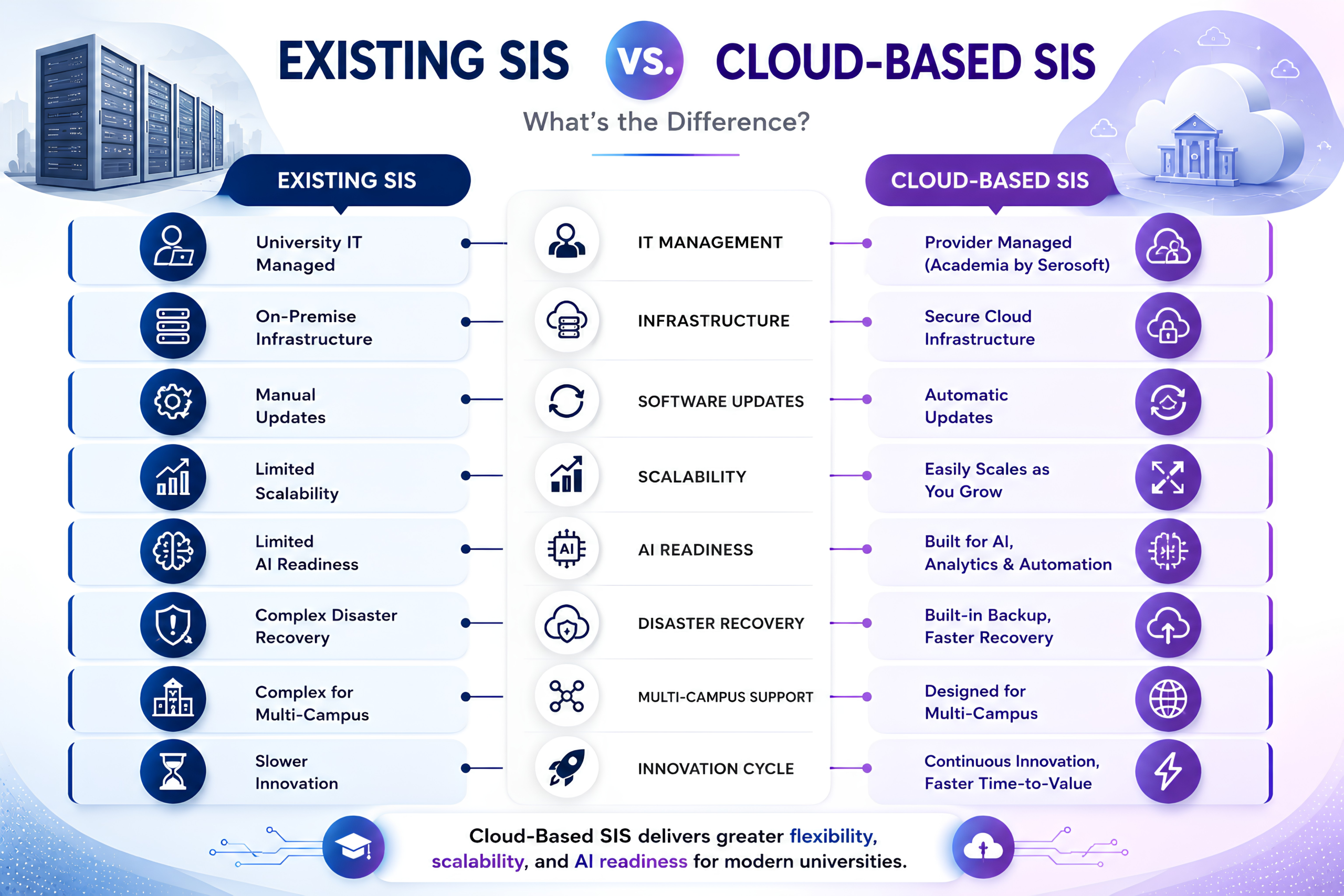
Comparison: Existing SIS vs. Cloud-Based SIS


Feature Existing SIS Modern Cloud-Based SIS
IT Management Managed by the university’s IT team Managed by the cloud provider
Infrastructure Dependency On-campus servers and hardware Secure cloud infrastructure
Software Updates Manual and scheduled Automatic and continuous
Scalability Requires additional hardware Scales on demand
AI Readiness Limited integration Built for AI and analytics
Remote Accessibility VPN or campus network Secure access from anywhere
Disaster Recovery Institution-managed Built-in redundancy
Multi-campus Support Complex Centralised management
Innovation Cycle Slower Continuous enhancements


The comparison reflects why cloud-based Student Information Systems are becoming an increasingly strategic choice for universities seeking greater agility and long-term sustainability.


Existing SIS vs. Cloud-Based SIS

Growth Demands More Than Traditional Infrastructure

Imagine a university with 10,000 students today.

Within five years, enrolment grows by 60%, a second campus opens, online programmes expand, and AI-powered student services become a priority.

An existing SIS may require additional hardware, infrastructure upgrades, and greater IT investment to keep pace.

A modern cloud-based SIS, on the other hand, scales as institutional needs evolve without disrupting campus operations.

According to the UNESCO Global Education Monitoring Report, participation in higher education continues to rise across the region, reinforcing the need for universities to invest in digital infrastructure that can support future growth while maintaining quality.

Why Modern Cloud-Based SIS Is Becoming the Preferred Choice

The shift to the cloud isn’t just about replacing servers; it’s about preparing universities for the future.

As student expectations evolve and digital transformation accelerates, institutions need systems that are intelligent, scalable, and connected. A modern cloud-based Student Information System helps universities adapt to changing academic, operational, and regulatory demands without constantly investing in new infrastructure.

AI Readiness: Turning Data into Decisions

Artificial Intelligence is redefining higher education by enabling universities to make faster and more informed decisions.

A modern cloud-based SIS can help institutions:

  • Identify students at risk of dropping out.
  • Forecast enrolment trends and resource requirements.
  • Automate routine administrative tasks.
  • Provide personalised student support through predictive analytics.

Unlike traditional deployments, cloud-native platforms are designed to process large volumes of institutional data, making AI capabilities easier to implement and scale.

Academia by Serosoft Perspective: A modern Student Information System should do more than digitise campus operations; it should empower institutional leaders with AI-driven insights that improve student success, operational efficiency, and strategic decision-making.

Building a Connected Digital Campus

Today’s university ecosystem extends far beyond student records.

A future-ready SIS should seamlessly integrate with:

  • Learning Management Systems (LMS)
  • ERP and Finance platforms
  • HR and Payroll systems
  • CRM solutions
  • Payment gateways
  • Government reporting portals

These integrations eliminate data silos, reduce manual work, and create a seamless experience for students, faculty, and administrators.

Security and Compliance

Security remains one of the biggest concerns when moving to the cloud. However, modern cloud platforms often provide stronger security capabilities than institutions can maintain independently.

Leading cloud providers continuously invest in:

  • Enterprise-grade encryption
  • Multi-factor authentication
  • Continuous security monitoring
  • Automated backups
  • Disaster recovery
  • International compliance certifications

Rather than managing hardware and security patches, university IT teams can focus on innovation and strategic initiatives.

The Hidden Costs of Maintaining an Existing SIS

Many institutions assume continuing with their current SIS is the most economical option. However, the true cost extends well beyond existing infrastructure.


Hidden Cost Impact on Universities
Server maintenance Ongoing hardware replacement and upkeep
Software upgrades Downtime and increased IT effort
Cybersecurity management Continuous monitoring and patching
Disaster recovery Additional infrastructure investment
Backup management Increased storage and administrative workload
Infrastructure expansion Additional capital expenditure


When viewed over the long term, these operational costs often make cloud deployments a more predictable and cost-effective investment.


Migrating to a Modern Cloud-Based SIS

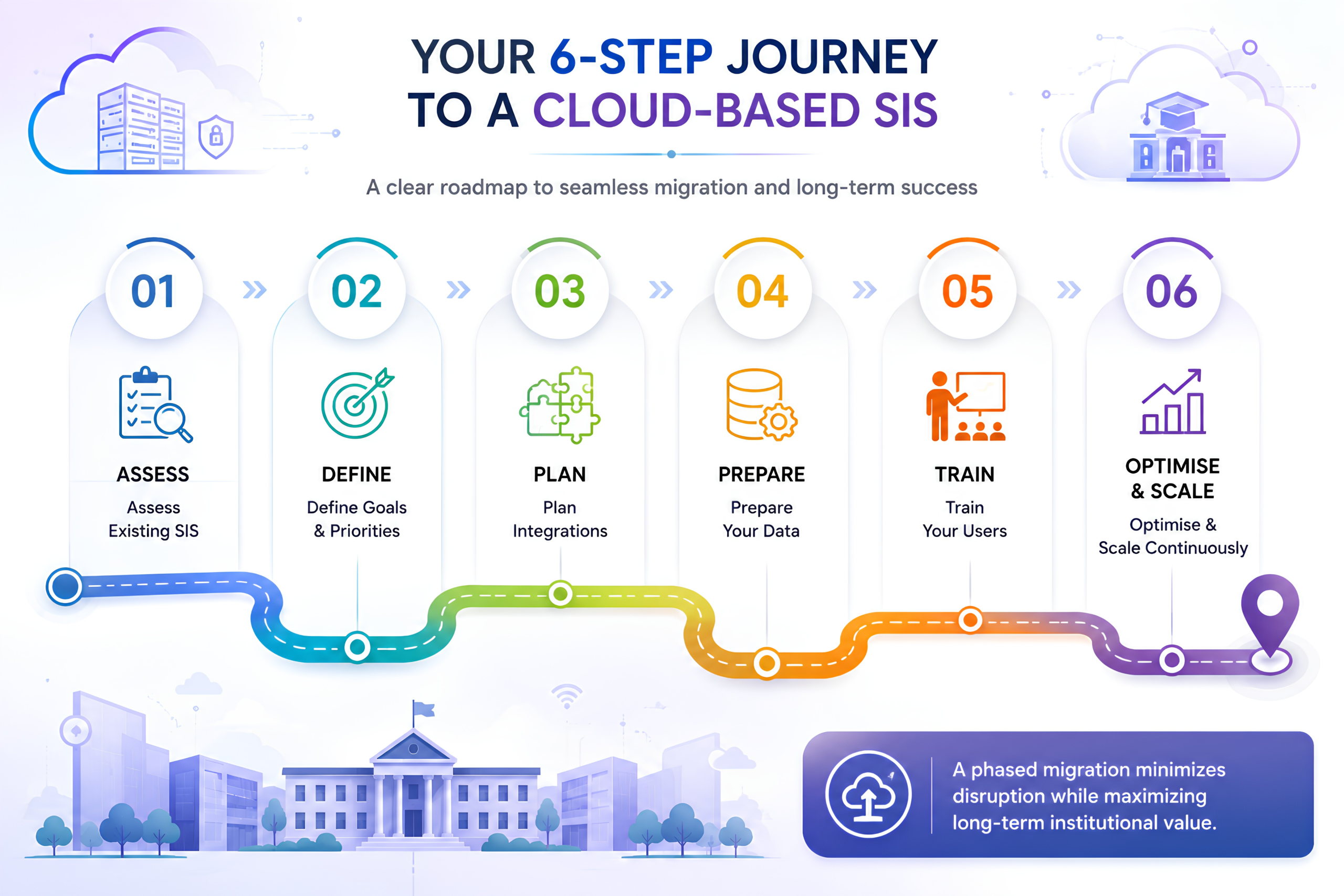
A 6-Step Roadmap for Migrating to a Modern Cloud-Based SIS

A successful cloud migration requires careful planning rather than a simple technology replacement.


Step Action
1. Assess Evaluate your existing SIS capabilities and limitations.
2. Define Goals Identify priorities such as AI readiness, scalability, or improved student experience.
3. Plan Integrations Map connections with LMS, ERP, HR, Finance, CRM, and government platforms.
4. Prepare Data Clean, validate, and securely migrate institutional data.
5. Train Users Prepare faculty, administrators, and IT teams through structured change management.
6. Optimise Continuously monitor performance and adopt new capabilities.

There is no one-size-fits-all answer. The right choice depends on an institution’s digital maturity, strategic priorities, and long-term vision. However, for universities planning significant growth and innovation, cloud-based platforms provide greater flexibility and future readiness.

Why Academia by Serosoft?

Choosing the right technology partner is just as important as choosing the right technology.

Built specifically for higher education, Academia by Serosoft enables universities to manage the complete student lifecycle from admissions and academics to examinations, graduation, alumni engagement, and analytics through a single integrated platform.

With cloud-native architecture, AI readiness, workflow automation, multi-campus capabilities, and seamless integrations, Academia helps institutions build connected digital campuses while simplifying administration and improving student experiences.

Drawing from Academia by Serosoft’s experience across higher education institutions globally, universities achieve the greatest value when they move from disconnected systems to a unified platform that evolves alongside institutional goals.

Key Takeaways

  • Digital transformation is reshaping how UAE universities evaluate Student Information Systems.
  • Cloud-based SIS platforms offer stronger scalability, AI readiness, and long-term operational efficiency.
  • Hidden infrastructure and maintenance costs can make existing deployments more expensive over time.
  • A structured migration strategy minimises risk and accelerates value.
  • The right SIS should support not only today’s operations but also tomorrow’s institutional ambitions.

Frequently Asked Questions

1. What is the difference between an existing SIS and a cloud-based SIS?

An existing SIS refers to a university’s current deployment, often managed through on-premises or hosted infrastructure. A cloud-based SIS is delivered through secure cloud infrastructure, offering automatic updates, greater scalability, and easier remote access.

2. Why are UAE universities adopting cloud-based Student Information Systems?

Cloud platforms support digital transformation by enabling AI, improving scalability, reducing infrastructure management, and delivering better digital experiences for students and staff.

3. Is a cloud-based SIS secure?

Yes. Modern cloud platforms incorporate enterprise-grade security measures, including encryption, multi-factor authentication, disaster recovery, and continuous monitoring.

4. Can a cloud-based SIS integrate with existing campus systems?

Yes. Most modern cloud SIS platforms integrate seamlessly with LMS, ERP, HR, Finance, CRM, payment gateways, and government reporting systems.

5. What should universities evaluate before migrating?

Institutions should assess their current deployment, integration requirements, data quality, security needs, regulatory obligations, and long-term strategic goals.

6. How does Academia by Serosoft support digital transformation?

Academia by Serosoft provides a cloud-native, AI-ready Student Information System that helps universities streamline operations, improve decision-making, and create connected, future-ready campuses.

Best Student Information System (SIS) for Universities in Malaysia: What to Look for Before You Choose

Choosing the best Student Information System (SIS) for a university is no longer just about managing admissions, academics, or student records; it is about selecting the digital foundation that will support institutional growth, operational excellence, and student success for years to come. As Malaysian universities accelerate digital transformation, the demand for AI-powered, cloud-based Student Information Systems that deliver automation, data-driven insights, seamless integrations, and enterprise scalability has never been greater.

This expert guide provides a comprehensive framework for evaluating a modern Student Information System. You’ll discover the essential features, AI capabilities, cloud architecture, integration requirements, security standards, and evaluation criteria that every higher education institution should consider before investing. Whether you’re replacing a legacy SIS or planning a campus-wide digital transformation, this guide will help you identify the right platform to improve efficiency, strengthen governance, enhance the student experience, and support long-term institutional success.

The Digital Shift in Malaysia Higher Education

Digital transformation is no longer optional.

According to UNESCO’s Technology in Education: A Tool on Whose Terms? – Southeast Asia Regional Report, higher education institutions across Southeast Asia are increasingly investing in digital technologies to improve governance, student services, institutional resilience, and educational quality. At the same time, the report highlights that fragmented systems and inconsistent digital maturity remain common barriers to institutional transformation.

For university leaders, the conversation has moved beyond “Should we digitise?” to “Are we investing in a platform that can support our institution five or ten years from now?”

The answer lies in choosing an SIS that does more than automate processes; it should enable continuous institutional growth. Increasingly, universities are seeking AI-powered capabilities to transform institutional data into actionable intelligence. From predictive insights and automated reporting to faster decision-making, AI is becoming a defining characteristic of future-ready Student Information Systems. 

According to Academia by Serosoft Research, universities that implement an integrated, AI-enabled Student Information System are better positioned to eliminate data silos, automate administrative workflows, improve reporting accuracy, and support faster institutional decision-making. As digital transformation accelerates across higher education, institutions increasingly view their SIS as a strategic platform rather than just an administrative tool.

 Academia by Serosoft

What Modern Universities Need from an SIS Today

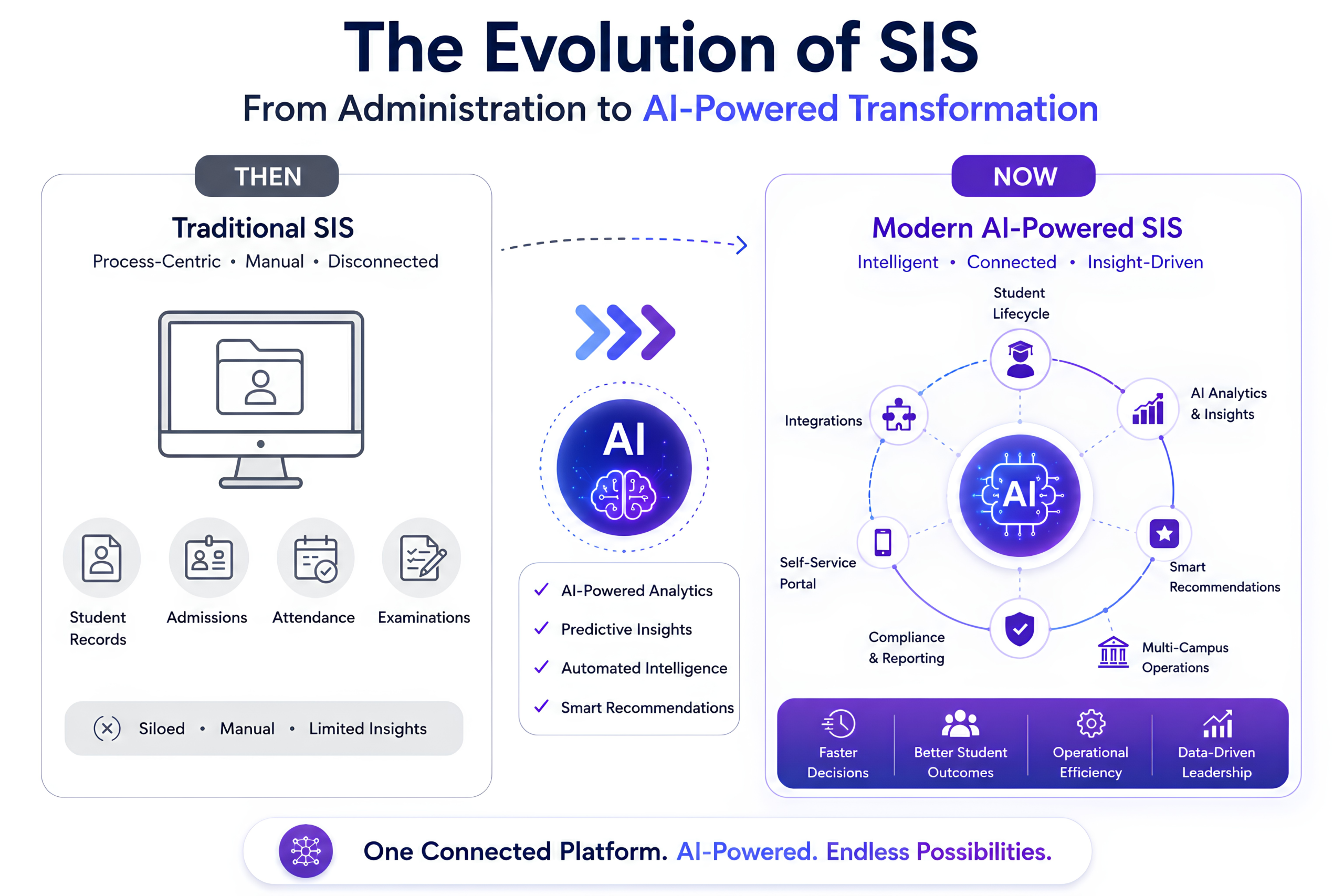
Many Student Information Systems were originally developed to digitise administrative processes such as admissions, student records, examinations, and grading. While these capabilities remain essential, the expectations of higher education institutions have evolved significantly.

Today’s universities are looking for platforms that can do far more than automate routine tasks. They need solutions that connect people, processes, and data across the entire institution. Beyond connectivity, institutions increasingly expect embedded Artificial Intelligence (AI) and advanced analytics that help administrators identify trends, predict outcomes, automate routine tasks, and make faster, evidence-based decisions. 

A modern Student Information System should enable institutions to:

  • Manage the complete student lifecycle on a single platform.
  • Support multiple campuses and diverse academic structures.
  • Integrate seamlessly with LMS, finance, HR, CRM, and third-party applications.
  • Deliver AI-powered dashboards, predictive analytics, and real-time insights that enable institutional leaders to make faster, data-driven decisions. 
  • Adapt to changing accreditation, compliance, and reporting requirements.
  • Scale as the institution grows without requiring costly system replacements.
  • Enhance the experience of students, faculty, administrators, and leadership alike.

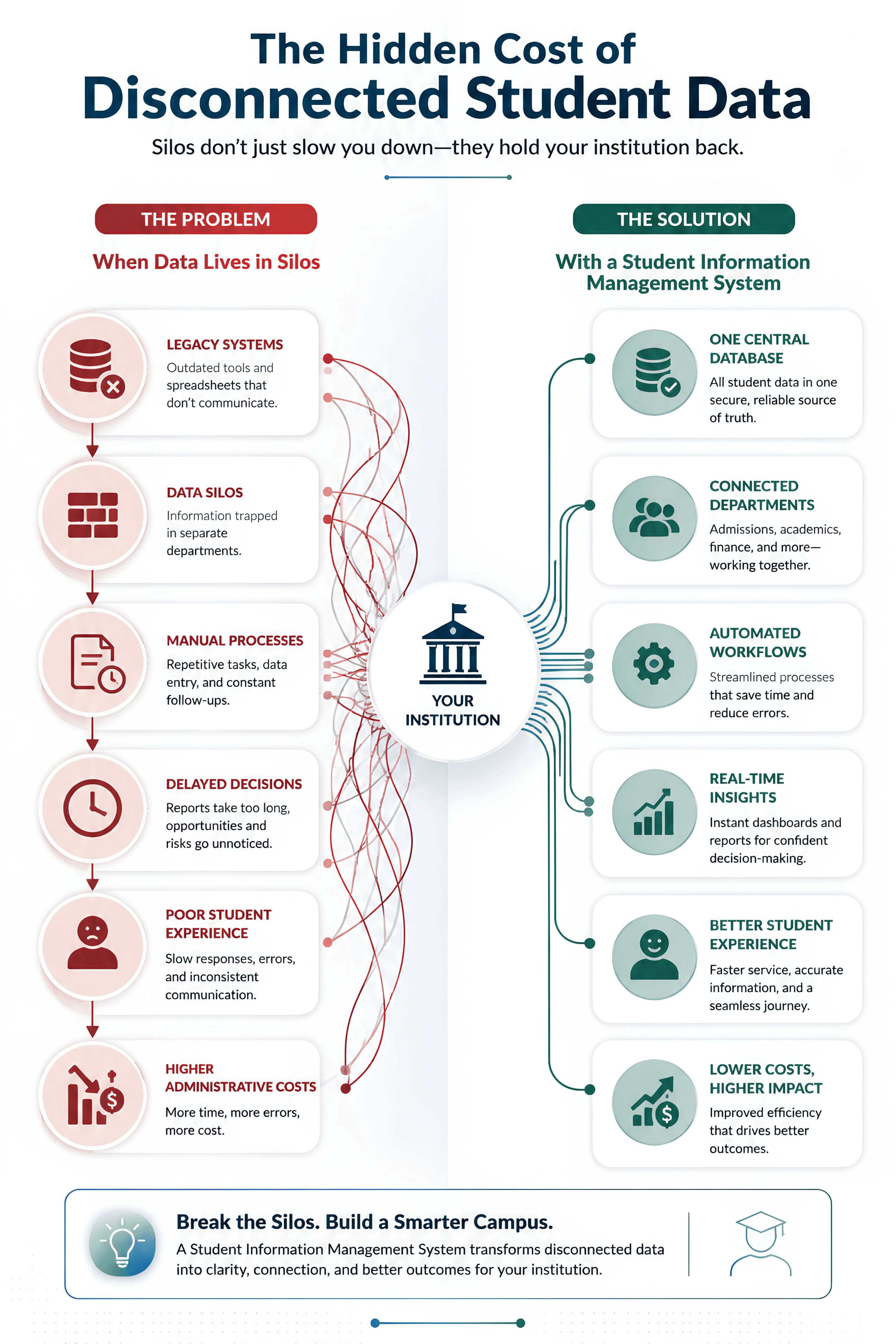
As universities expand their academic offerings, embrace digital learning, and strengthen international collaborations, disconnected or narrowly focused systems can create operational silos, duplicate data, and increase administrative complexity.

The institutions seeing the greatest success are investing in platforms that not only manage operations efficiently today but also provide the flexibility and intelligence needed to support future growth.

According to SIS Experts, one of the biggest mistakes universities make is choosing an SIS based solely on current administrative requirements. The most successful institutions invest in platforms that can support future growth through AI-powered analytics, seamless integrations, configurable workflows, and scalable cloud architecture. An SIS should continue delivering value for the next 10–15 years, not just solve today’s operational challenges.

What Should Universities Look for in a Modern Student Information System?

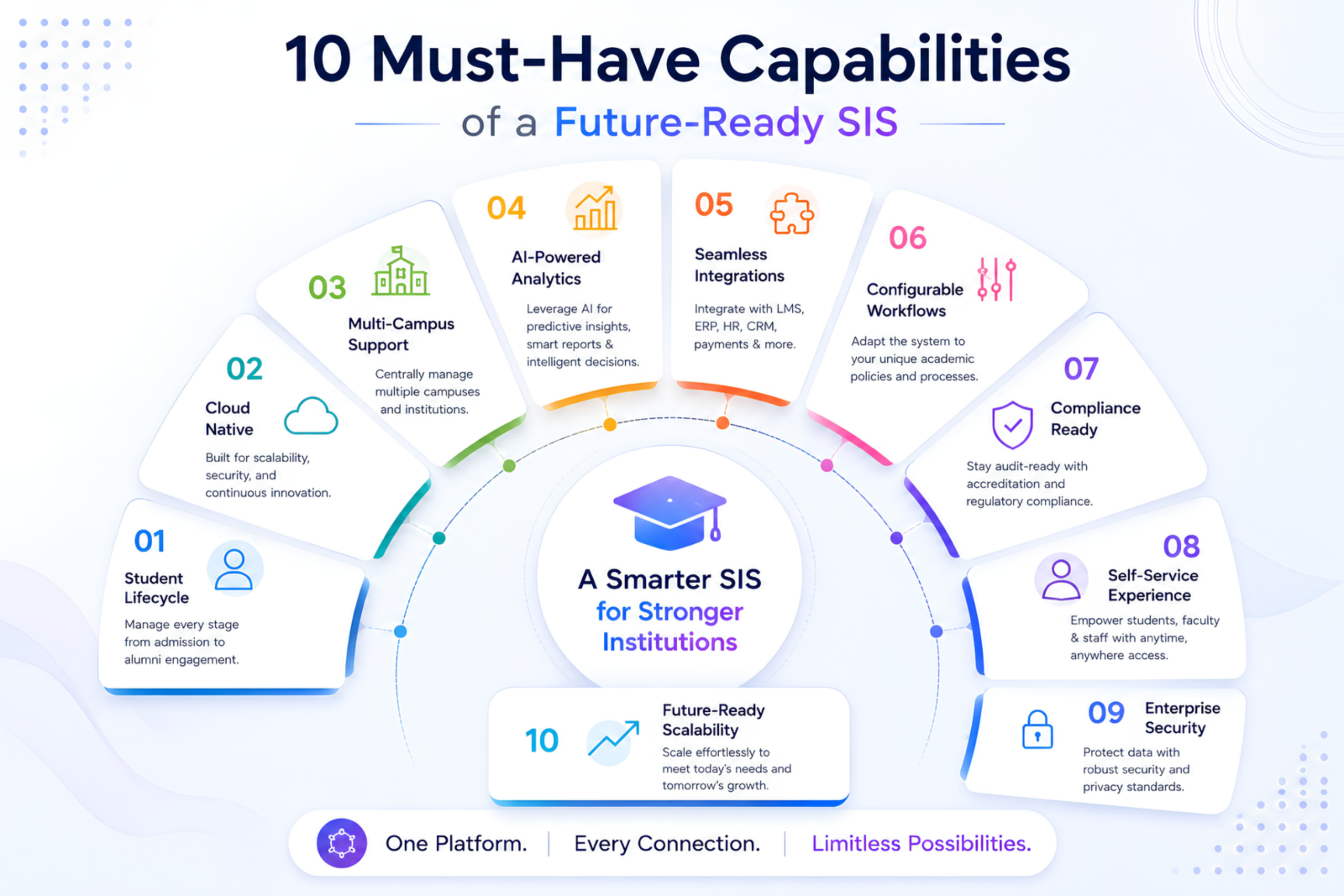
Choosing an SIS isn’t about selecting software with the longest feature list; it’s about investing in a platform that can support your institution’s strategic goals.

Before making a decision, evaluate whether your SIS can deliver the capabilities below. 

In addition to core administrative functionality, universities should also evaluate whether the platform includes built-in AI capabilities. Modern higher education institutions increasingly rely on AI-powered analytics, predictive reporting, automated insights, and intelligent recommendations to improve operational efficiency, enhance student success, and support strategic planning. An AI-enabled SIS helps universities move beyond managing data to generating actionable intelligence for faster, more informed decision-making. 


Evaluation Criteria Why It Matters Academia by Serosoft
End-to-end student lifecycle management Connects every stage from admissions to alumni engagement. ✔
Cloud-native architecture Ensures scalability, security, and continuous innovation. ✔
Multi-campus and multi-institution support Enables centralised management across campuses and locations. ✔
Configurable academic workflows Supports your institution’s policies without rigid customisation. ✔
AI-powered analytics & reporting  Provides predictive insights, automated reporting, intelligent dashboards, and faster institutional decision-making.  ✔ 
Real-time analytics and dashboards Helps leaders make informed decisions using institutional data. ✔
Enterprise integrations Connects LMS, ERP, HR, finance, CRM, payment gateways, and more. ✔
Accreditation and compliance readiness Simplifies audits and regulatory reporting. ✔
Self-service experience Empowers students, faculty, and administrators with anytime access. ✔
Enterprise-grade security Protects institutional data and ensures operational continuity. ✔
Future-ready scalability Supports institutional growth without technology limitations. ✔


Future ready SIS

These capabilities are no longer “nice to have.” They are essential for institutions aiming to improve efficiency, enhance student engagement, and remain competitive in an increasingly digital education landscape.

Industry Fact: Institutions that rely on disconnected systems often experience duplicated data, slower reporting cycles, higher administrative effort, and limited visibility into institutional performance. By consolidating academic and administrative operations into a single integrated platform, universities can improve operational efficiency, strengthen governance, and make faster, evidence-based decisions. This is why leading higher education institutions are increasingly prioritising AI-enabled, cloud-based Student Information Systems as part of their long-term digital transformation strategy. 

Beyond Administration: Why Universities Need an Intelligent SIS

Managing records is only one part of running a successful institution.

University leaders also need visibility into the performance of their institution. AI is making this visibility significantly more powerful. Rather than manually analysing large volumes of institutional data, universities can leverage AI to identify trends, generate intelligent reports, detect potential risks, and support proactive decision-making across admissions, academics, finance, and student success 

A modern SIS should help answer critical questions such as:

  • Which programmes are attracting the highest enrolment?
  • Which students may require additional academic support?
  • How effectively are classrooms and faculty resources being utilised?
  • Where do admission bottlenecks occur?
  • Which reports are needed for accreditation and quality assurance?
  • How can institutional leaders make faster, data-driven decisions?

Instead of functioning as a digital filing cabinet, an intelligent, AI-enabled SIS becomes a strategic decision-support platform. AI helps universities uncover patterns, automate complex reporting, and surface actionable insights that would otherwise require significant manual effort. 

EDUCAUSE also emphasises that successful digital transformation in higher education depends on integrated systems and better use of institutional data, not simply adopting new technology.

How Academia by Serosoft Supports Future-Ready Universities

Digital transformation is most effective when institutions operate through a connected ecosystem rather than a collection of isolated applications.

Academia by Serosoft is designed with this philosophy at its core.

Instead of addressing individual administrative functions independently, it unifies academic, administrative, and operational processes through a single, scalable platform.

End-to-End Student Lifecycle

From enquiry and admissions to academics, examinations, graduation, placements, alumni, and lifelong engagement, every stage of the student journey is managed within one integrated ecosystem.

Enterprise-Ready Scalability

Whether your institution operates a single campus or multiple campuses across regions or countries, Academia grows alongside your organisation without compromising performance.

Flexible by Design

Every university has its own academic regulations, grading structures, workflows, and approval processes. Academia’s configurable architecture allows institutions to adapt the platform to their operations rather than changing institutional processes to fit the software.

A Truly Connected Campus

Academia integrates academic management with finance, HR, CRM, learning platforms, examinations, hostel, transport, placements, libraries, payment gateways, and other institutional systems, creating a unified digital campus.

Data That Drives Decisions

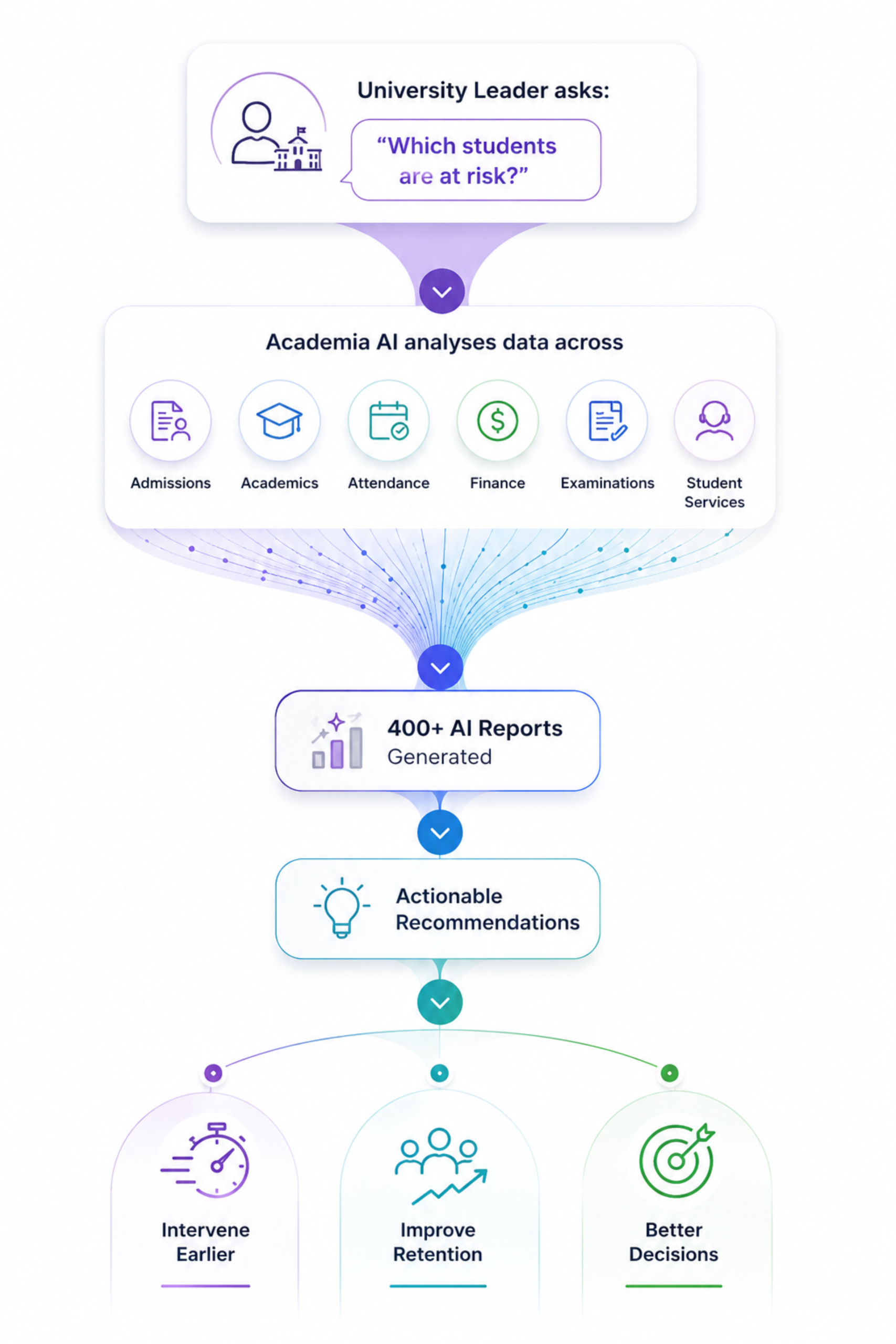
Academia combines AI with advanced analytics to transform institutional data into actionable intelligence. With 400+ pre-built AI-powered reports, real-time dashboards, and predictive insights, university leaders gain instant visibility into admissions, academics, finance, operations, compliance, and overall institutional performance. This enables faster, smarter, and more confident decision-making across the institution. 

Built for Global Higher Education

As universities strengthen international collaborations and attract students from around the world, Academia provides the flexibility needed to support diverse academic structures, regulatory environments, and institutional growth strategies.

Why Future-Ready Universities Choose Platforms That Grow With Them

A Student Information System is one of the most strategic technology investments a university will make.

Replacing an SIS is often complex, expensive, and disruptive. That’s why institutions should evaluate not only what a platform can do today, but also whether it can support tomorrow’s ambitions.

The right platform should help institutions:

  • Eliminate fragmented systems.
  • Improve operational efficiency.
  • Deliver better experiences for students and faculty.
  • Simplify compliance and reporting.
  • Enable AI-driven, data-informed leadership through predictive analytics, intelligent reporting, and real-time institutional insights. 
  • Support institutional expansion and innovation.

Choosing a scalable, integrated platform from the outset helps universities avoid costly migrations and ensures they are prepared for the evolving demands of higher education.

Final Thoughts

The future of higher education will be shaped by institutions that can adapt quickly, make informed decisions, and deliver exceptional student experiences.

Technology alone doesn’t create that future, but the right Student Information System provides the foundation for it.

Academia by Serosoft is built to help universities move beyond digitisation and embrace AI-powered, connected, intelligent, and sustainable digital transformation. By combining comprehensive student lifecycle management with advanced analytics and over 400 AI-powered reports, Academia enables institutions to make faster decisions, improve operational efficiency, and deliver exceptional educational experiences. By bringing every aspect of campus operations together on a single platform, institutions can focus less on managing systems and more on delivering educational excellence.

Frequently Asked Questions (FAQs)

What is a Student Information System (SIS)?

A Student Information System (SIS) is a software platform that manages the complete student lifecycle, including admissions, enrolment, academics, examinations, attendance, grading, finance, and alumni management.

Why is a cloud-based SIS important for Malaysian universities?

A cloud-based SIS offers greater scalability, automatic updates, improved security, remote accessibility, and lower infrastructure costs, making it ideal for modern higher education institutions.

What features should universities prioritise when selecting an SIS?

Universities should prioritise end-to-end student lifecycle management, cloud architecture, AI-powered analytics, configurable workflows, enterprise integrations, multi-campus support, compliance readiness, predictive reporting, and enterprise-grade security. 

Can an SIS integrate with existing university systems?

Yes. A modern SIS should integrate with Learning Management Systems (LMS), ERP, HR, finance, CRM, payment gateways, identity management systems, and other third-party applications.

How does Academia by Serosoft support digital transformation?

Academia by Serosoft supports digital transformation by combining AI, advanced analytics, and end-to-end student lifecycle management on a single platform. With over 400 AI-powered reports, intelligent dashboards, and predictive insights, institutions can automate reporting, gain real-time visibility, improve decision-making, and streamline operations across the campus. 

Is Academia by Serosoft suitable for multi-campus universities?

Yes. Academia is designed to support single-campus, multi-campus, and multi-institution environments while providing centralised governance, configurable workflows, and enterprise-level scalability.

Legacy Software vs Modern Student Information Systems (SIS): Why Malawi Universities Are Choosing Smarter Campus Technology

Higher education across Malawi is growing rapidly. Universities are enrolling more students, expanding digital learning, and improving campus services. However, many institutions still rely on legacy software that was designed years ago. While these systems once met university needs, they now slow down operations, increase costs, and make it difficult to deliver a modern student experience. This blog explores why Malawi universities are replacing legacy software with modern Student Information Systems (SIS), how cloud and AI are transforming campus management, and what institutions should consider before making the transition.

When Technology Becomes the Biggest Challenge

Registration day finally arrived.

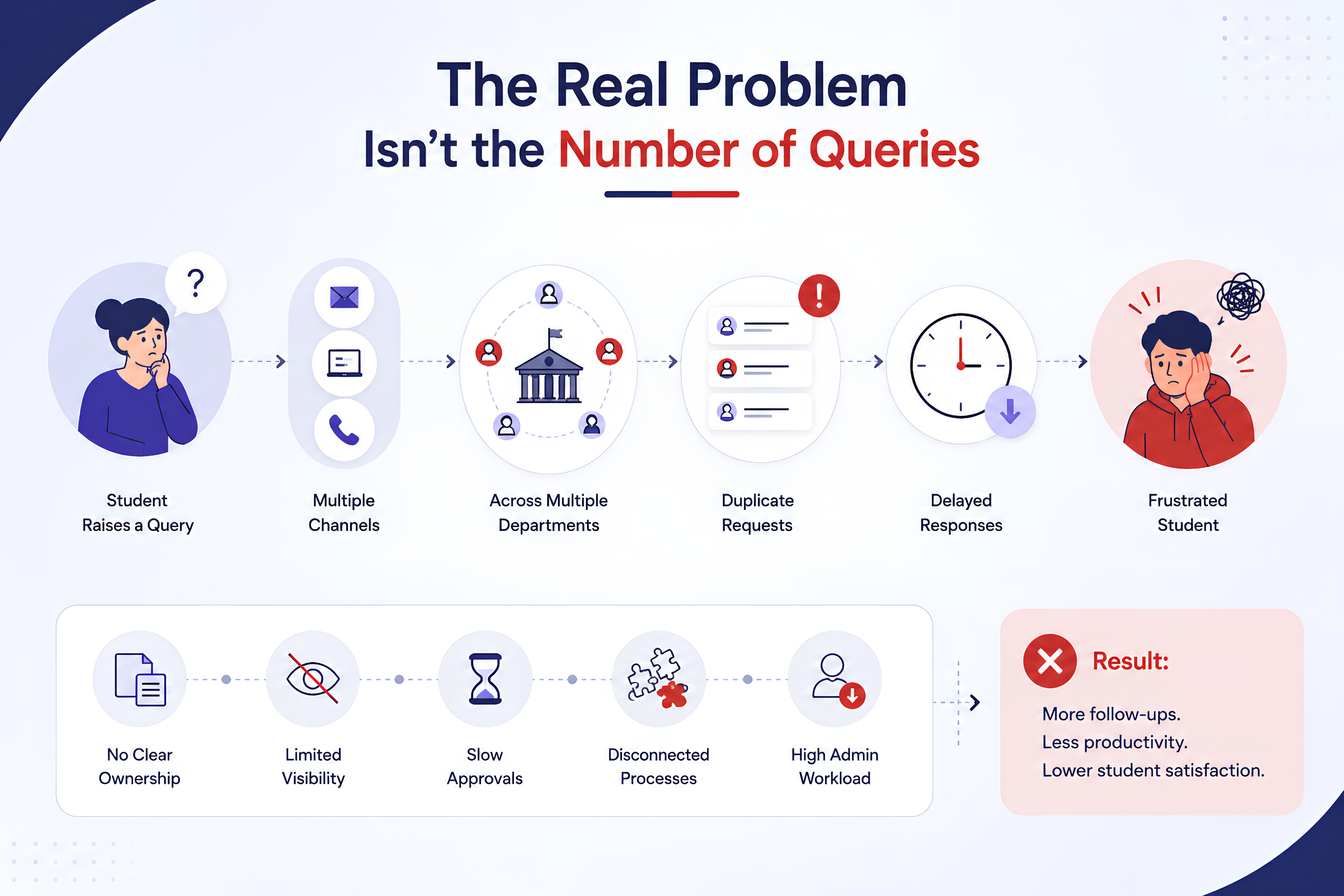
Hundreds of students were waiting to complete their enrolment. The admissions office had approved applications, but the finance department could not see the latest fee payments. Faculty members were waiting for updated class lists, while the IT team struggled to keep the server running. By lunchtime, long queues had formed outside several offices. 

The problem was not a lack of hardworking staff. It was an outdated system that could no longer support the university’s growing needs.

This situation is still common across many universities in Malawi.

Years ago, legacy software helped institutions move away from paper-based administration. At the time, it was a major step forward. Today, however, universities operate very differently. Students expect online admissions, mobile access, digital fee payments, self-service portals, and instant updates. University leaders also need real-time data to make informed decisions.

Technology is no longer just an administrative tool; it is the foundation of a connected campus.

Malawi’s Higher Education Is Growing

Malawi recorded a 75% increase in public university applications during the 2024-2025 admissions cycle, reflecting growing demand for tertiary education. According to UNESCO, student enrolment across Sub-Saharan Africa is expected to grow steadily over the coming years. The African Development Bank (AfDB) also estimates that Africa will have the world’s largest working-age population by 2035, increasing the need for quality higher education.

Governments are encouraging universities to embrace digital transformation through initiatives such as the African Union’s Continental Education Strategy for Africa (CESA 16–25).

Malawi’s Higher Education at a Glance


Key Trend Impact on Universities
Growing student enrolment More demand for efficient administration
Largest working-age population by 2035 Need for scalable education systems
Growth in digital learning Increased demand for connected campus technology
Focus on digital transformation
Greater investment in modern education technology

As institutions continue to grow, they need technology that supports expansion rather than limiting it.

According to the World Bank’s Digital Economy for Africa (DE4A) Initiative, digital technologies are becoming essential for improving access, quality, and efficiency in education systems across Africa, making digital transformation a key priority for higher education institutions.

What Is Legacy Software?

Legacy software refers to older systems that continue to manage important university operations but were not designed for today’s digital environment.

Many universities still depend on these systems because they are familiar and have supported operations for many years. However, as student expectations and institutional needs change, these platforms struggle to keep pace.

Most legacy systems have common limitations:

  • Separate software for admissions, finance, academics, and examinations
  • Manual data entry across departments
  • Limited reporting and analytics
  • Difficult integration with modern applications
  • High maintenance costs
  • Limited mobile accessibility

When information is spread across different systems, staff spend more time managing data than supporting students.

Five Signs Your University Has Outgrown Its Legacy Software

Not every university needs to replace its software immediately. However, if your institution is facing the challenges below, it may be time to invest in a modern Student Information System.

1. Administrative Work Keeps Increasing

When departments use different systems, staff often enter the same student information more than once. This slows down daily operations and increases the risk of errors.

2. Students Experience Delays

If students have to visit multiple offices to complete admissions, fee payments, or course registration, the system is creating unnecessary obstacles instead of improving their experience.

3. Reports Take Too Long

University leaders need accurate information to make timely decisions. If reports depend on spreadsheets or data from multiple systems, planning becomes slow and inefficient.

4. IT Costs Continue to Rise

Older systems require regular maintenance, hardware upgrades, and specialised technical support. Over time, these costs continue to increase.

5. The System Cannot Support New Technologies

Modern universities are adopting cloud computing, AI, Learning Management Systems (LMS), and digital payment platforms. If the current system cannot integrate with these technologies, it may be holding the institution back.

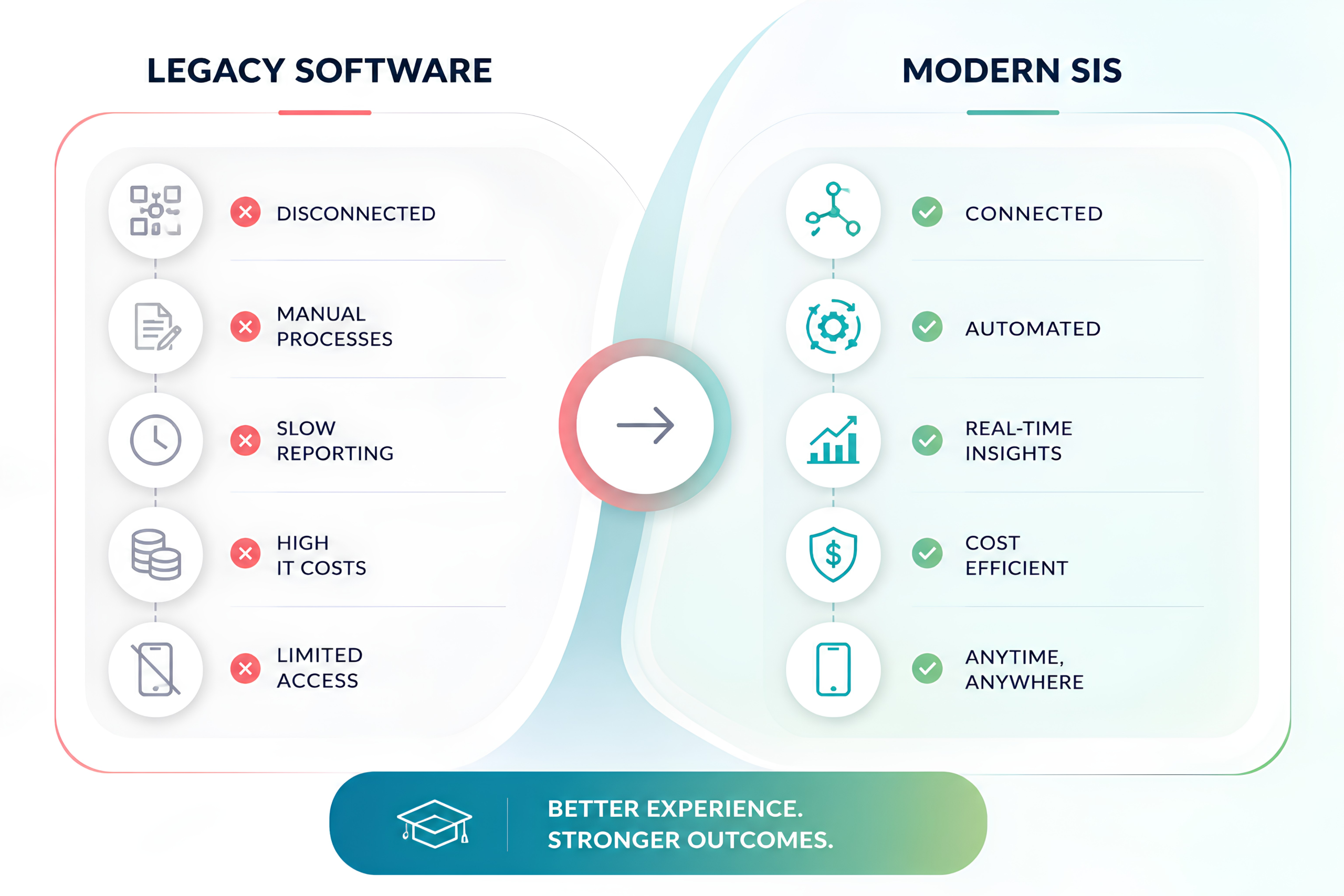
Legacy Software vs Modern Student Information Systems

The difference between legacy software and a modern Student Information System goes far beyond technology. It affects efficiency, decision-making, and the overall student experience.


Legacy Software Modern SIS
On-premise servers Cloud-based platform
Separate departmental systems One integrated platform
Manual workflows Automated workflows
Static reports Real-time dashboards
Limited mobile access Access anytime, anywhere
High maintenance costs Lower IT overhead
Difficult integrations Easy integration with LMS, HR, Finance, and APIs
Basic reporting AI-powered analytics and insights

Modern SIS platforms help universities replace disconnected processes with one connected digital ecosystem.

Legacy Software vs Modern Student Information Systems

How AI Is Transforming Higher Education

Artificial Intelligence is becoming an important part of university management. Rather than replacing people, AI helps staff work more efficiently and make better decisions.

For example, AI can:

  • Identify students who may need academic support.
  • Automate routine administrative tasks.
  • Generate real-time reports and dashboards.
  • Improve enrolment planning using predictive analytics.
  • Deliver personalised communication to students.

These capabilities allow universities to spend less time on repetitive work and more time improving learning outcomes.


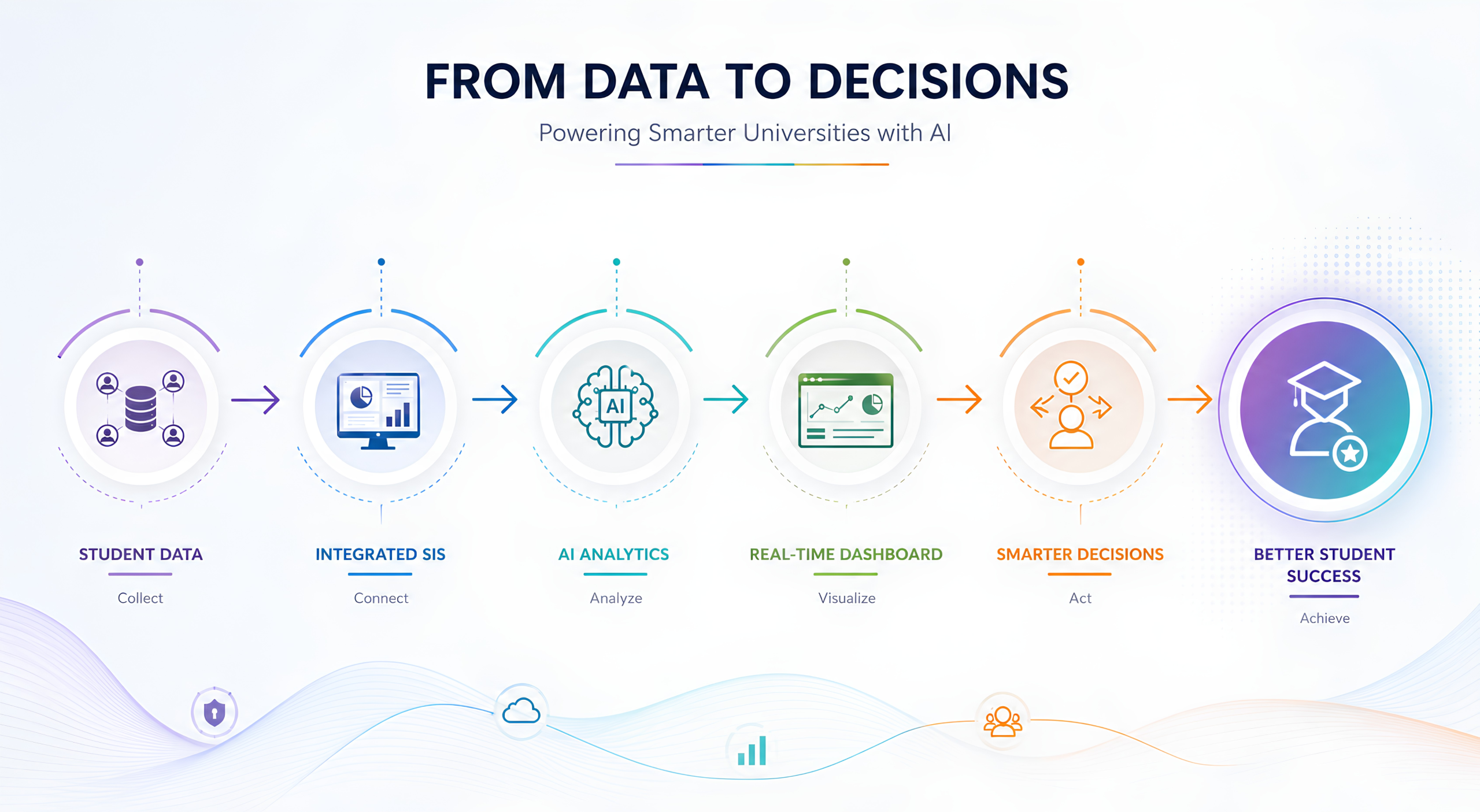
From data to decisions

According to Gartner Research on Legacy Application Modernisation, many organisations spend 80% of their IT budgets maintaining existing systems instead of investing in innovation. 

Why Cloud-Based SIS Is the Future

Cloud technology is helping universities become more flexible, secure, and cost-effective.

Instead of investing in expensive on-campus servers, institutions can access their systems securely from anywhere. This is especially valuable for universities with multiple campuses or online learning programmes.

A cloud-based SIS also offers:

  • Automatic software updates
  • Better data security and backups
  • Lower infrastructure costs
  • Easy scalability as student numbers grow
  • Remote access for students and staff

For Malawi universities planning for long-term growth, cloud technology provides the flexibility needed to support changing educational needs.

A 6-Step Roadmap to Modernising Your Student Information System

Moving from legacy software to a modern SIS does not have to happen overnight. With proper planning, universities can make the transition smoothly while continuing daily operations.

Step 1: Evaluate Your Current System

Identify the biggest challenges in your existing software, such as manual processes, disconnected departments, or slow reporting.

Step 2: Involve Key Stakeholders

Bring together leaders from admissions, academics, finance, examinations, IT, and student services to ensure the new system meets everyone’s needs.

Step 3: Choose a Future-Ready Platform

Look for an SIS that offers cloud deployment, AI capabilities, strong security, mobile accessibility, and easy integration with existing systems.

Step 4: Prepare Your Data

Review and clean student records before migration. Accurate data makes implementation smoother and improves reporting.

Step 5: Train Staff

Provide training and support so that faculty and administrative teams can confidently use the new platform.

Step 6: Measure Success

Track improvements in admission processing, registration time, reporting, student satisfaction, and administrative efficiency to measure the impact of the new system.

According to Academia by Serosoft experts, digital transformation is more than replacing software. It is about creating a connected campus where every department works with the same real-time information to improve student success and institutional performance.

How Academia by Serosoft Supports Digital Transformation

A successful Student Information System should do more than manage student records; it should connect the entire institution.

Academia by Serosoft is an AI-powered, cloud-based Student Information System designed specifically for higher education. It brings admissions, academics, finance, examinations, student services, and institutional reporting together on one integrated platform.

Trusted by 400+ educational institutions and supporting over one million learners worldwide, Academia by Serosoft helps universities simplify operations, improve decision-making, and deliver a better student experience.

Key capabilities include:

  • Admissions and enrolment management
  • Academic and examination management
  • Student lifecycle management
  • Finance and fee management
  • Student and faculty self-service portals
  • AI-powered dashboards and analytics
  • Multi-campus management
  • Secure cloud deployment
  • Integration with LMS, HR, and finance systems

By replacing disconnected systems with one unified platform, universities can improve efficiency today while preparing for tomorrow.

Conclusion

Higher education in Malawi is changing rapidly, and technology must keep pace with that change.

Legacy software has supported universities for many years, but today’s institutions need solutions that are connected, scalable, and intelligent. A modern Student Information System helps universities simplify administration, improve decision-making, strengthen student engagement, and support long-term growth.

The question is no longer whether universities should modernise. The real question is whether they are ready to build a future-ready campus that meets the expectations of tomorrow’s students.

Frequently Asked Questions

1. What is legacy software?

Legacy software is an older system that manages university operations but often lacks the flexibility, integration, and scalability needed for modern higher education.

2. Why are Malawi universities replacing legacy software?

They are modernising to improve efficiency, reduce manual work, strengthen data security, support digital learning, and enhance the student experience.

3. Why is a cloud-based SIS better?

Cloud-based SIS platforms reduce infrastructure costs, provide secure remote access, offer automatic updates, and easily scale as universities grow.

4. How does AI improve a Student Information System?

AI automates routine tasks, provides real-time insights, supports predictive analytics, and helps universities make faster, data-driven decisions.

5. What should universities look for when selecting an SIS?

They should choose a platform with cloud deployment, AI capabilities, strong security, mobile accessibility, integration options, scalability, and reliable vendor support.

6. How does Academia by Serosoft help universities?

Academia by Serosoft provides an AI-powered, cloud-based Student Information System that supports the complete student lifecycle, helping universities improve operational efficiency, enhance student experiences, and accelerate digital transformation.

Regional Student Information Systems vs Modern Cloud SIS: Which Is Right for Kazakhstan?

Not too long ago, having a Student Information System (SIS) was considered a significant milestone for universities. It meant saying goodbye to paper files, reducing manual work, and bringing student records into a digital environment.

For many universities across Kazakhstan, regional Student Information Systems became the backbone of daily operations. They handled admissions, stored student records, managed examinations, and supported administrative processes. At the time, they were exactly what institutions needed.

But higher education has changed.

Today’s universities aren’t just managing records; they’re managing experiences. Students expect seamless digital interactions, faculty members rely on connected systems, and university leaders need real-time insights to make strategic decisions. Technology is no longer just a support function; it’s becoming a key driver of institutional growth.
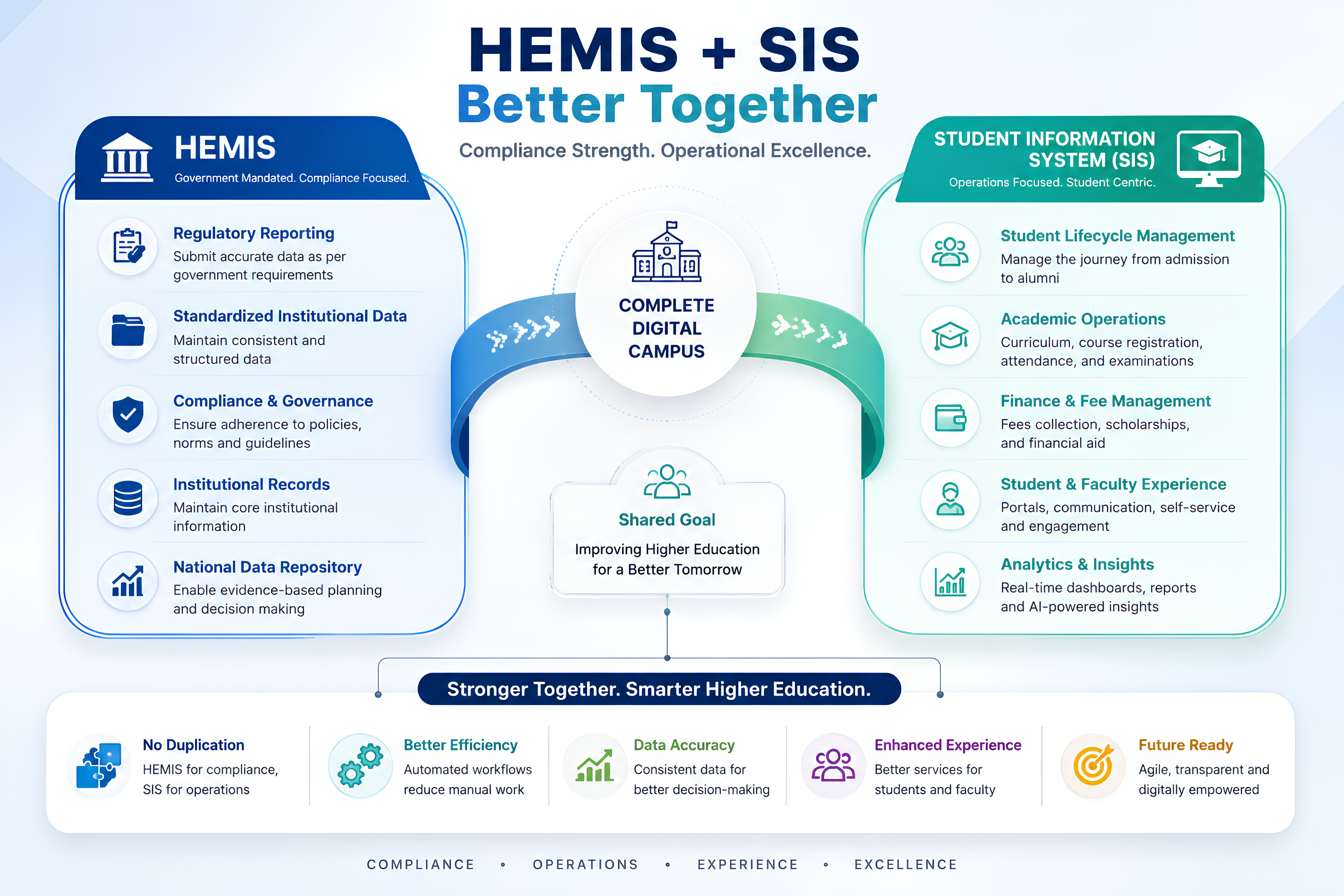
This shift is prompting many universities to ask an important question:

Should we continue with our existing regional SIS, or is it time to move to a modern cloud-based platform?

The answer depends not only on where the university is today, but also on where it wants to be tomorrow.

When “Good Enough” No Longer Meets the Needs of Modern Universities

Imagine a university in Kazakhstan that has been using the same Student Information System for years.

Everything appears to be running smoothly. Admissions are processed digitally, grades are uploaded each semester, and administrative reports are generated whenever needed.

Then the university decides to expand.

It launches new academic programmes, attracts more international students, introduces hybrid learning, and signs partnerships with overseas institutions. Suddenly, the system that once seemed reliable begins to reveal its limitations.

Admissions teams spend hours manually verifying documents.

Departments maintain separate spreadsheets because information doesn’t sync automatically.

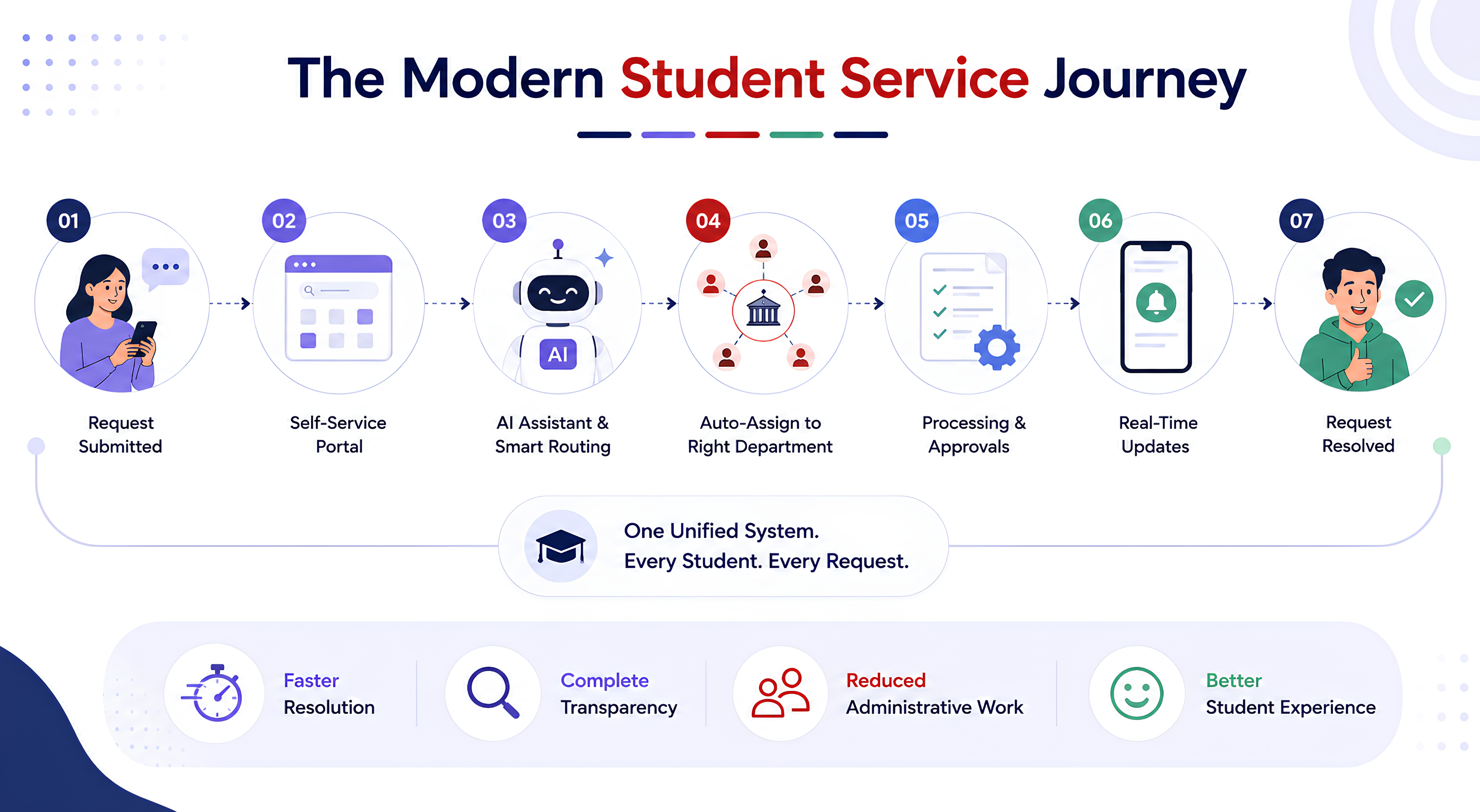
Students email different offices just to track the status of a request.

Leadership waits days or even weeks for reports that should be available instantly.

Nothing is technically broken.

The system simply wasn’t designed for the complexity of a modern university.

And this story is becoming increasingly familiar across Kazakhstan.

Why Regional Student Information Systems Were the Right Choice

Regional SIS platforms became popular because they addressed local needs effectively. They supported national academic processes, aligned with institutional regulations, and provided universities with a structured way to manage student data.

For institutions primarily focused on digitising administrative work, these systems delivered real value.

The challenge is that universities today expect much more from technology than they did ten years ago.

An SIS is no longer just a database for storing records.

It has become the digital foundation of the entire student journey from the moment a prospective student submits an application until long after graduation.

That requires a different kind of platform.

The Student Experience Has Changed

Think about how students interact with technology in their everyday lives.

They book flights from their phones. Order groceries in minutes. Track deliveries in real time.

Complete banking transactions instantly. Naturally, they expect the same convenience from their university.

They don’t want to stand in queues to collect forms or visit multiple offices to complete simple administrative tasks. They expect to apply online, receive instant updates, register for courses digitally, pay fees securely, and access their academic records whenever they need them.

When those expectations aren’t met, frustration grows not because the university isn’t providing quality education, but because the digital experience feels outdated.

Modern universities understand that student experience begins long before the first lecture and continues well after graduation.

Why Many Universities Are Looking Beyond Legacy Systems

As institutions continue to grow, they often discover that their existing systems create more work than they eliminate.

Adding a new integration can require months of custom development. Expanding to another campus means additional infrastructure. Generating reports often involves combining data from multiple departments because information exists in separate systems.

Meanwhile, IT teams spend valuable time maintaining servers, installing updates, and solving infrastructure issues instead of working on initiatives that improve the student experience.

These challenges don’t necessarily mean a regional SIS is an ineffective solution.

They simply reflect the fact that many of these systems were built for a different era of higher education.

What Makes a Modern Cloud SIS Different?

What Makes a Modern Cloud SIS Different?

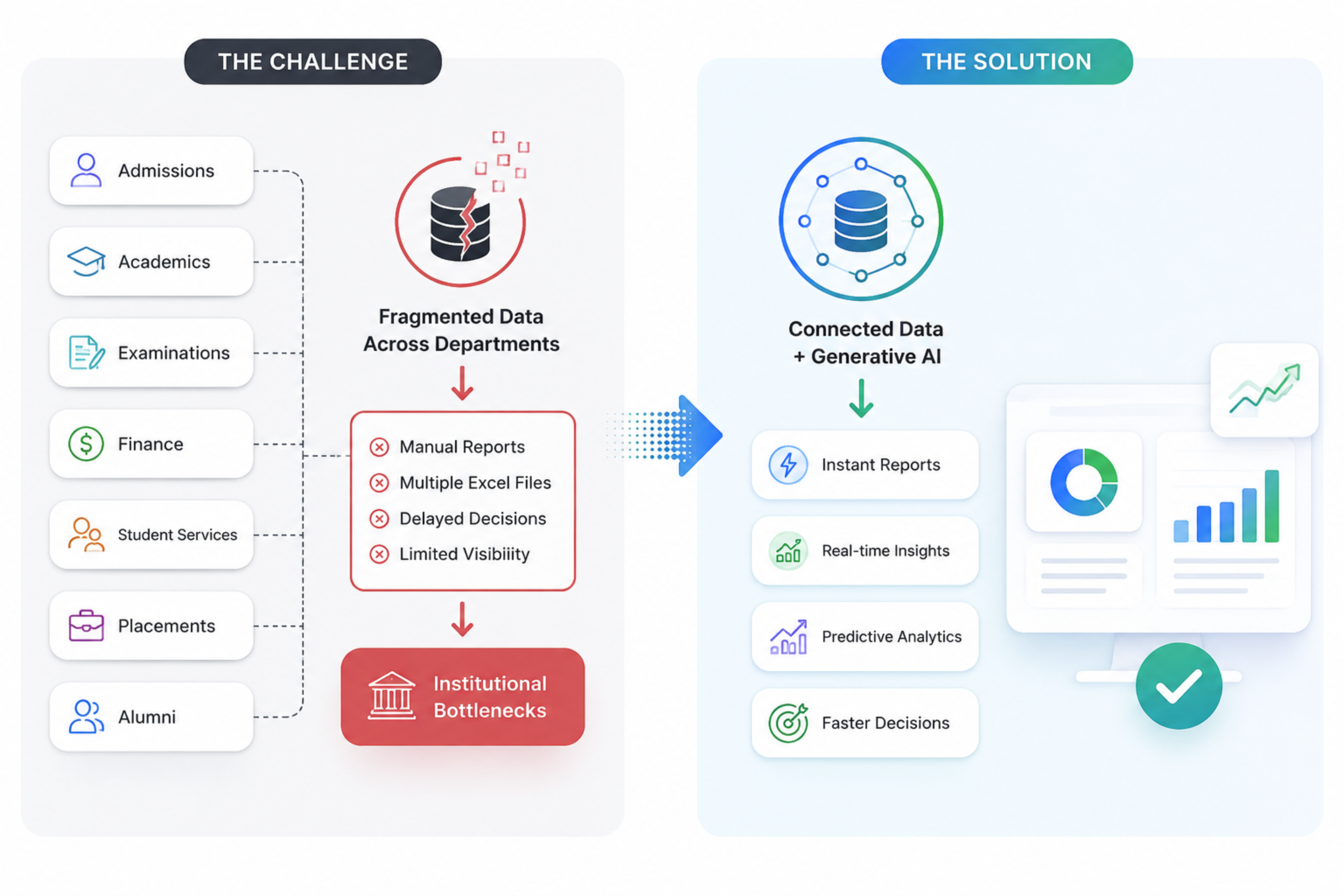
A modern cloud-based Student Information System approaches the problem differently. Instead of focusing solely on administration, it connects every stage of the student lifecycle into one intelligent platform. Admissions, academics, examinations, finance, student services, communication, analytics, and alumni engagement all work together rather than operating independently, creating something universities often struggle to achieve with disconnected systems: a single source of truth.

When student information is updated once, it’s updated everywhere. Faculty members see the latest records, finance teams access accurate information, students receive real-time updates, and university leadership gains instant visibility into institutional performance. Instead of managing isolated processes, the university manages one connected ecosystem.

Why Cloud Matters More Than Ever

One of the biggest advantages of cloud technology isn’t simply that it’s hosted online; it’s the flexibility that comes with it. Universities no longer need to worry about purchasing additional servers as enrollment grows or scheduling lengthy maintenance windows before every software update. New features become available faster, security improvements are implemented continuously, and authorised users can securely access the platform from anywhere, whether they’re on campus or working remotely. For institutions planning long-term growth, this flexibility becomes increasingly valuable, allowing technology to evolve alongside the university instead of holding it back.

Why This Shift Is Especially Relevant for Kazakhstan

Kazakhstan has ambitious goals for higher education. Universities are strengthening international partnerships, expanding research initiatives, attracting students from around the world, and embracing digital transformation as part of broader institutional development.

Competing on a global stage requires more than academic excellence. It requires digital infrastructure that supports collaboration, transparency, efficiency, and exceptional student experiences.

As a result, the role of a Student Information System has expanded significantly. It is no longer just a platform for maintaining student records; it influences admissions efficiency, student satisfaction, faculty productivity, institutional reporting, and strategic decision-making.

What Makes a Modern Cloud SIS Different?

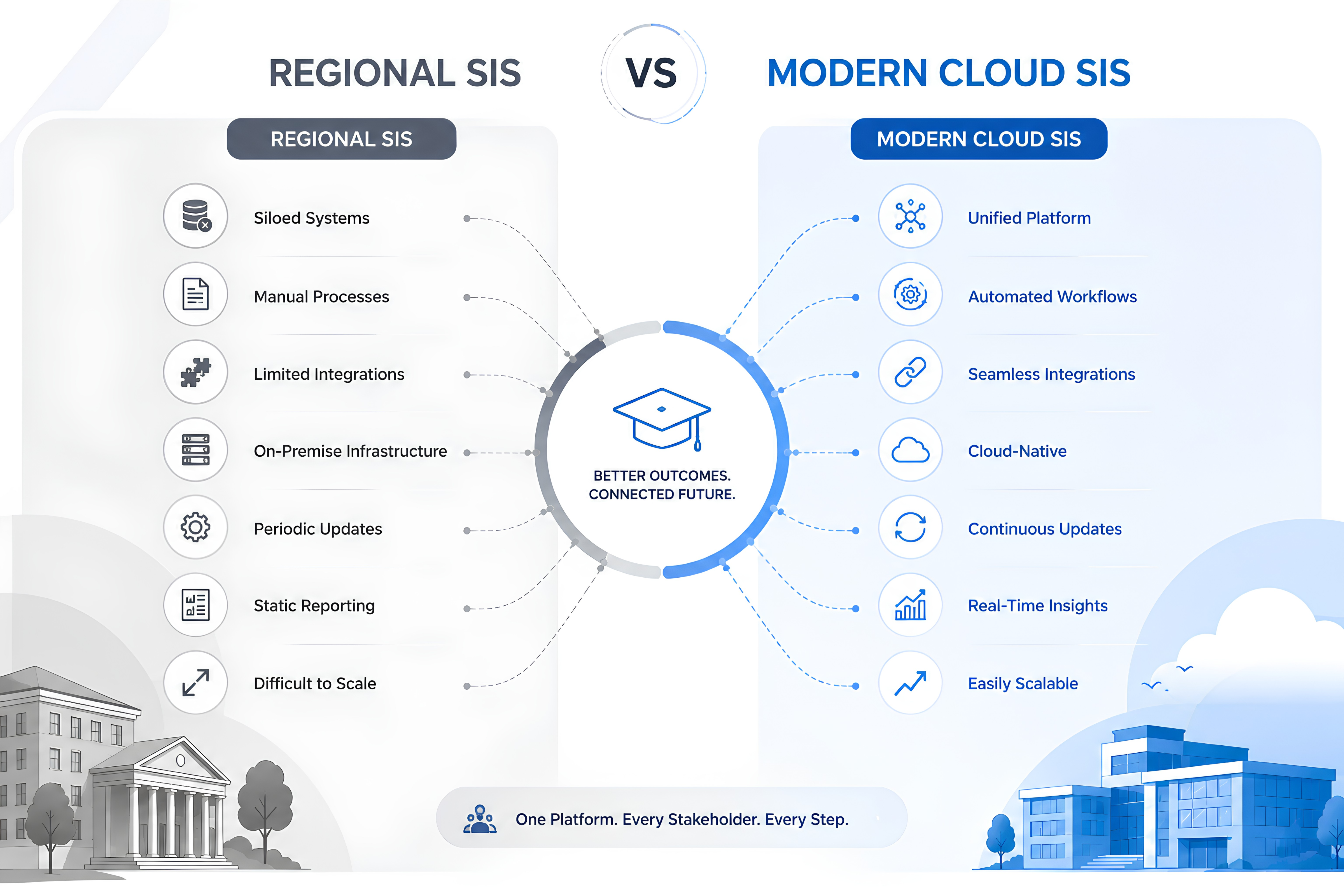
This also changes the way universities evaluate technology. If the goal is simply to maintain existing processes, a traditional regional SIS may continue serving its purpose. However, if the vision includes international growth, data-driven leadership, automated workflows, connected campuses, and delivering a modern student experience, technology needs to become an enabler rather than a limitation.

Ultimately, the conversation is no longer “Should we replace our SIS?” Instead, the more important question is, “Can our current system support the future we are building?”

How Academia by Serosoft Helps Universities Move Forward

At Academia by Serosoft, we believe that a Student Information System should empower institutions, not slow them down.

As a modern cloud-based SIS built specifically for higher education, Academia brings admissions, academics, examinations, finance, student services, accreditation, alumni management, and analytics together on one unified platform.

Rather than forcing departments to work in silos, Academia creates a connected digital ecosystem where information flows seamlessly across the institution. Students enjoy intuitive self-service experiences, faculty members spend less time on administrative tasks, and university leaders gain real-time insights that support better decision-making.

Because Academia is cloud-native, institutions can scale confidently as they grow, introduce new campuses, welcome international students, or launch new academic programmes without the burden of maintaining complex on-premise infrastructure.

For universities in Kazakhstan that are investing in digital transformation, Academia provides the flexibility, intelligence, and innovation needed to support both today’s operations and tomorrow’s ambitions.

Final Thoughts

Regional Student Information Systems have helped universities across Kazakhstan modernise their operations over the years, and many continue to deliver value.

However, the demands placed on higher education have changed dramatically.

Universities are expected to be faster, more connected, more student-centric, and more data-driven than ever before.

Meeting those expectations requires more than digitising records; it requires building a digital foundation that supports continuous growth and innovation.

The right Student Information System isn’t simply the one that manages today’s operations.

It’s the one that’s ready for tomorrow.

Frequently Asked Questions

What is the main difference between a regional SIS and a cloud-based SIS?

Regional SIS platforms are typically designed to meet local administrative and regulatory requirements. A cloud-based SIS goes beyond administration by connecting the entire student lifecycle on a scalable, continuously updated platform that supports automation, analytics, and seamless integrations.

Why are universities in Kazakhstan considering cloud-based Student Information Systems?

As universities expand internationally, introduce digital learning initiatives, and improve student services, they require systems that are more flexible, scalable, and capable of supporting modern institutional needs.

Is moving from a regional SIS to a cloud platform difficult?

Not necessarily. Most modern SIS providers follow a phased implementation approach that includes data migration, system integration, user training, and ongoing support to ensure a smooth transition.

Is a cloud-based Student Information System secure?

Yes. Modern cloud platforms use enterprise-grade security practices such as encryption, automated backups, role-based access controls, continuous monitoring, and disaster recovery mechanisms to protect institutional data.

Why should universities consider Academia?

Academia is purpose-built for higher education and provides a modern cloud-based platform that helps institutions streamline operations, enhance student experiences, automate workflows, generate real-time insights, and scale confidently as they grow.


How Can Universities Manage Student Queries and Service Requests at Scale?

“I’ve emailed three times, but I still haven’t received a response.”

It’s a message no university wants to hear, yet it’s one that many students have found themselves sending.

Now imagine it’s the first week of a new semester. Thousands of students are logging into campus for the first time, paying fees, requesting ID cards, applying for hostels, registering for courses, submitting scholarship documents, and asking questions about timetables and examinations. Every department is working hard, but the volume of requests keeps growing.

The admissions team receives hundreds of emails before lunch. The examination office is flooded with transcript requests. The finance team is answering payment-related queries, while the IT helpdesk is resetting passwords almost non-stop.

The issue isn’t that universities aren’t working efficiently. It’s that many of them are trying to manage today’s expectations with yesterday’s processes.

Students today don’t simply expect answers; they expect timely updates, transparent processes, and the ability to track their requests without sending repeated follow-up emails. As institutions expand their student populations, campuses, and services, managing student queries at scale has become just as important as delivering quality education.

So, what does it take to build a student support system that can keep pace with modern expectations?

Let’s find out.

The Growing Challenge Behind Every Student Request 

A student’s journey extends far beyond attending lectures. From admissions and onboarding to examinations, graduation, and alumni engagement, effective student lifecycle management ensures every interaction is connected and seamless. 

From the moment they submit an application until long after graduation, they interact with numerous administrative departments. Every stage of this journey creates opportunities for questions, requests, approvals, and documentation.

A prospective student may need help completing an application. A first-year student might be waiting for hostel confirmation. Another may require a fee receipt for a scholarship application, while a graduating student urgently needs transcripts for higher studies or employment.

Individually, these requests may seem straightforward. Collectively, they create an enormous operational challenge.

As universities introduce more programmes, digital services, international collaborations, and flexible learning models, the number of student interactions continues to increase. Without a structured approach to managing them, even the most capable administrative teams can find themselves overwhelmed.

Why Today’s Students Expect More Than Just Answers 

Today’s students have grown up in a digital-first world.

Whether booking a cab, ordering groceries, or tracking an online purchase, they’re accustomed to receiving instant confirmations, live status updates, and quick resolutions. Naturally, they expect similar experiences from their university.

This shift isn’t unique to higher education. According to the Salesforce State of the Connected Customer report, 88% of customers say the experience a company provides is as important as its products or services. While the research focuses on customer experience across industries, it reflects a broader change in expectations that universities are increasingly experiencing as well.

Students don’t just want their requests resolved; they want clarity throughout the process. They want to know whether their application has been received, who is handling it, and when they can expect an update.

When that visibility is missing, frustration often replaces confidence.

The Real Problem Isn’t the Number of Queries

Many institutions assume that rising student queries simply require hiring more support staff.

In reality, the issue usually lies elsewhere.

Consider a common scenario.

A student emails the finance department regarding a payment issue. The finance team forwards the email to another colleague. Meanwhile, the student sends the same query through the university portal and follows up with a phone call because they haven’t received a response. Suddenly, three separate conversations exist for the same issue.

Multiply that by thousands of students, and it becomes clear why administrative teams struggle to keep up.

The Real Problem Isn't the Number of Queries

Manual processes often create problems such as duplicated requests, inconsistent responses, delayed approvals, and limited visibility into who owns a particular task. Staff spend valuable time forwarding emails, searching for student records, and coordinating across departments instead of resolving issues efficiently.

The challenge isn’t simply handling more requests; it’s managing them in a way that’s structured, connected, and scalable.

Every Service Request Represents a Student Who Needs Help

Behind every service request is a student trying to move forward.

A delayed transcript could mean missing an international application deadline.

A pending fee confirmation might prevent course registration.

An unanswered scholarship query can create unnecessary stress for a student already worried about financing their education.

When viewed from this perspective, student services become much more than administrative tasks. They’re essential moments that shape how students experience their institution.

Universities that recognise this shift begin to treat student support as a strategic function rather than a back-office operation.

Why Fragmented Systems Slow Everyone Down

One of the biggest obstacles to efficient student services is fragmentation.

Many universities still rely on a combination of emails, spreadsheets, paper forms, shared folders, and standalone applications. Each department manages its own process, often with limited coordination across teams.

Imagine a student applying for graduation clearance.

The request may require approvals from the finance office, library, hostel administration, examination department, and academic office. If every department operates independently, the student is left coordinating the entire process themselves, following up with multiple offices just to understand what’s pending.

This approach not only increases administrative workload but also creates unnecessary anxiety for students.

A connected service management approach eliminates these silos by allowing departments to collaborate through shared workflows rather than disconnected communication channels.

Scaling Student Support Starts with Smarter Workflows 

As student populations grow, universities eventually reach a point where adding more staff is no longer enough.

Instead, institutions need processes that work intelligently.

Imagine a student requesting an official transcript through a digital portal.

Instead of manually forwarding emails between departments, the system automatically verifies student information, routes the request to the appropriate office, assigns responsibilities, tracks progress, and notifies the student whenever the status changes.

The administrative team still reviews and approves the request, but routine tasks such as routing, reminders, and notifications happen automatically.

This doesn’t replace people.

It allows people to spend more time solving problems instead of managing paperwork.

Research by McKinsey & Company has consistently shown that automation can significantly improve operational efficiency by reducing repetitive work and enabling employees to focus on higher-value activities. While universities operate differently from businesses, the same principle applies to administrative services where routine workflows consume considerable staff time.

Self-Service Is No Longer a Convenience; It’s an Expectation

Not every student query requires human intervention.

In fact, many requests involve information that already exists somewhere within the institution.

Questions like:

  • How do I apply for a bona fide certificate?
  • Where can I download examination forms?
  • Has my fee payment been updated?
  • When is hostel allotment scheduled?

These are ideal candidates for self-service.

When students can access accurate information through a student self-service portal, they don’t need to wait for office hours or send multiple emails for routine questions. 

This benefits both students and university staff.

Students receive answers immediately, while administrative teams can dedicate more attention to cases that genuinely require human expertise.

Data Can Reveal Problems Before Students Do

Every student interaction generates valuable information.

When universities look beyond individual requests and analyse service trends, they gain insights that can improve the entire student experience.

For example, recurring transcript delays may indicate an inefficient approval process.

A surge in finance-related queries during admissions could suggest unclear payment instructions.

Repeated IT support requests might highlight opportunities to improve onboarding resources.

These insights allow institutions to identify operational bottlenecks, allocate resources more effectively, and continuously refine service delivery.

Rather than responding to complaints after they arise, universities can proactively improve the processes that generate those complaints in the first place.

Student Support Is Becoming a Competitive Advantage

Students increasingly evaluate universities based on their overall experience, not just academic rankings.

The PwC Global Consumer Insights Survey found that consumers value convenience, speed, and seamless experiences more than ever before. While universities are not commercial businesses, students carry these same expectations into every interaction with their institution.

A university that invests in digital student services demonstrates that it values students’ time by delivering transparent, responsive, and connected support experiences. 

That experience influences satisfaction, trust, engagement, and ultimately the institution’s reputation.

In a competitive higher education landscape, efficient student services are no longer just an operational necessity; they’re a strategic differentiator.

What Does Scalable Student Service Management Actually Look Like? 

Managing student queries at scale isn’t about responding to emails faster. An integrated Student Information System (SIS) enables universities to centralise student services, automate workflows, and provide complete visibility into every request from submission to resolution. 

It’s about creating an ecosystem where every request follows a structured, transparent journey.

Students should be able to submit requests through a single interface, monitor progress in real time, receive proactive notifications, and access services without navigating multiple departments.

Student Information System (SIS)

Meanwhile, university staff should have complete visibility into workloads, pending requests, response times, and service performance.

When information flows seamlessly across departments, students spend less time chasing updates, and staff spend less time coordinating routine tasks.

Everyone benefits.

How Academia by Serosoft Supports Modern Student Services

Managing student queries at scale requires more than digitising processes it requires delivering fast, connected, and always-accessible support. Academia by Serosoft helps universities streamline student service requests through a unified Student Information System that automates workflows, centralises information, and enables students to submit, track, and manage requests from a single platform. From transcripts and fee-related queries to hostel and examination services, every request follows a transparent, structured workflow, giving administrators complete visibility while keeping students informed at every step.

Adding another layer of convenience is SERA (Smart Education Response Assistant), Academia’s AI-powered virtual assistant. Available 24×7 across the Academia platform, SERA enables students to get instant answers to routine queries, check attendance, timetables, fee details, request status, and other academic information using natural language or voice commands. By handling repetitive queries instantly, SERA reduces the burden on administrative teams while delivering a faster, more responsive, and student-centric support experience.

Frequently Asked Questions (FAQs)

1. What is student query management in higher education?

Student query management is the process of receiving, tracking, assigning, and resolving student questions and service requests through a structured system that improves response times, transparency, and service quality.

2. Why is managing student service requests important for universities?

Efficient service request management reduces administrative workload, improves student satisfaction, shortens response times, enhances collaboration across departments, and creates a more seamless student experience.

3. What types of student requests can universities manage digitally?

Universities can digitally manage transcript requests, fee-related queries, certificate applications, hostel services, scholarship requests, examination support, transport requests, IT helpdesk tickets, and many other administrative services.

4. How does automation improve student service management?

Automation streamlines repetitive tasks such as request routing, approvals, reminders, notifications, and status tracking. This enables staff to focus on more complex issues while ensuring students receive faster and more consistent service.

5. How can a Student Information System improve student support?

An integrated Student Information System centralises student information, connects departments, automates workflows, enables self-service, and provides real-time visibility into service requests, helping universities deliver a faster, more transparent, and student-centric experience.

Using HEMIS? Why Uzbekistan Universities Still Need a Modern Student Information System

Higher education in Uzbekistan is changing rapidly.

Universities today are expected to do much more than maintain student records or submit regulatory reports. They are competing to attract students, improve learning outcomes, streamline operations, and build globally connected campuses.

Supporting this transformation is the Higher Education Management Information System (HEMIS), a government-mandated platform that establishes a strong foundation for institutional data management, regulatory reporting, and compliance across Uzbekistan’s higher education sector. 

But here’s an important question many universities are beginning to ask:

What does running a modern university require beyond regulatory compliance?

The conversation isn’t about choosing between HEMIS and another platform. It’s about extending the value of HEMIS with a Student Information System that supports the operational needs of a modern university. 

Think of HEMIS as the system that keeps institutions compliant. A Student Information System (SIS) helps them become efficient, student-centric, and future-ready.

Let’s explore why both are becoming essential for universities across Uzbekistan.

HEMIS Builds the Foundation. A Modern SIS Builds the Campus Around It

Every university in Uzbekistan works with HEMIS because it serves an important national purpose.

It helps institutions:

  • Maintain standardised institutional records
  • Support reporting requirements
  • Ensure regulatory compliance
  • Share educational data with government authorities

This creates consistency across the higher education landscape and enables better governance.

However, university operations extend far beyond regulatory reporting.

Admissions teams manage thousands of applicants.

Faculty coordinate courses, attendance, grading, and assessments.

Finance departments process tuition payments and scholarships.

Students expect self-service portals, mobile access, instant notifications, and digital services.

Parents want transparency.

Institutional leaders rely on timely, data-driven insights to guide planning, monitor performance, and make informed strategic decisions. 

These day-to-day experiences require a different kind of platform.

That’s where a modern Student Information System comes in.

Alongside HEMIS, a modern Student Information System supports end-to-end student lifecycle management and optimises campus operations, enabling institutions to operate more efficiently and deliver seamless digital services. 

Why Universities Need More Than Compliance

Imagine two universities that are equally committed to meeting every HEMIS reporting requirement. Both submit accurate institutional data on time and remain fully compliant with government regulations. Yet, their day-to-day operations look very different. One institution still relies on spreadsheets, paper-based approvals, disconnected software, and manual processes to manage admissions, academics, finance, and student services.

The other has digitised these workflows with a modern Student Information System, enabling online admissions, digital examinations, automated fee collection, faculty dashboards, student self-service portals, AI-powered insights, and seamless communication across departments. Although both institutions fulfil regulatory requirements, the latter provides a more seamless, connected, and student-focused campus experience. That’s the difference between compliance and a truly digital campus.

Modern universities are therefore investing not only in compliance systems but also in integrated digital platforms that improve operational efficiency, enable data-driven decision-making, and enhance the overall student experience. This shift reflects a broader trend in higher education, where digital transformation is no longer viewed as simply meeting reporting requirements. The OECD notes that effective digital transformation requires robust digital infrastructure and integrated data systems that support institutional management, teaching, research, and student services.

As a result, universities are adopting integrated digital platforms that go beyond compliance to enhance operational efficiency, strengthen stakeholder engagement, and support informed decision-making. 

What Does a Student Information System Actually Do?

A modern Student Information System becomes the operational backbone of the university.

Instead of disconnected processes, everything works through one integrated platform.

An SIS typically supports:

  • Student admissions and enrollment
  • Academic planning and curriculum management
  • Course registration
  • Attendance management
  • Examination and grading
  • Timetable scheduling
  • Finance and fee management
  • Scholarships
  • Hostel and transport administration
  • Student services
  • Faculty workload management
  • Digital communication
  • Reports and analytics
  • Alumni management

The result is a connected campus where information flows automatically between departments instead of being entered multiple times.

Faculty save time.

Administrators work faster.

Students enjoy a smoother experience.

Leadership gains better visibility.


HEMIS + SIS: Better Together

Instead of asking whether universities should choose between HEMIS and an SIS, a better question is:

How can both systems work together?

The answer is simple.

HEMIS focuses on institutional reporting and compliance.

An SIS focuses on daily university operations and the student journey.

Together they create a balanced digital ecosystem.

When integrated properly, universities avoid duplicate work while ensuring that operational data can support reporting requirements efficiently.

This approach allows institutions to meet government expectations without sacrificing innovation.

HEMIS VS SIS

What Modern Students Expect Today

Today’s students don’t compare their university experience with another university.

Rather than comparing universities with one another, students benchmark their experience against the digital services they use every day. 

They expect to:

  • Apply online
  • Receive instant updates
  • Register for courses digitally
  • Pay fees online
  • Access schedules anytime
  • View grades immediately
  • Submit requests electronically
  • Use mobile applications

If these services require multiple offices, paperwork, or long waiting periods, student satisfaction declines.

Digital experiences have become part of institutional reputation.

For universities aiming to improve student engagement and attract international learners, investing in modern campus technology is no longer optional.

Introducing Academia by Serosoft

This is where Academia by Serosoft helps institutions move beyond basic digitisation.

Designed specifically for higher education, Academia is a comprehensive Student Information System that complements existing HEMIS implementations while transforming everyday university operations.

Rather than asking universities to replace existing compliance processes, Academia strengthens the entire academic ecosystem around them.

The platform supports the complete student lifecycle from admission to graduation and alumni engagement through one connected digital environment.

Academia by Serosoft

Key capabilities include:

  • End-to-end admissions management
  • Academic administration
  • Examination and assessment management
  • Student and faculty portals
  • Fee and finance automation
  • Hostel and transportation management
  • Timetable scheduling
  • Outcome-based education support
  • Accreditation readiness
  • AI-powered analytics and dashboards
  • Workflow automation
  • Mobile accessibility
  • Seamless integrations with institutional systems

Today, Academia powers digital transformation for 400+ institutions across 32+ countries, helping universities manage millions of student records while reducing manual effort and improving operational visibility.

Instead of multiple disconnected applications, institutions gain one intelligent platform built Specifically for higher education.

The Future of Higher Education in Uzbekistan

Uzbekistan has set ambitious goals for expanding higher education participation, improving quality, and strengthening international collaboration.

Technology will play a central role in achieving these objectives.

The universities that succeed over the next decade will likely share three characteristics:

  • Strong regulatory compliance
  • Efficient digital operations
  • Exceptional student experiences

HEMIS already provides the foundation for compliance.

A modern SIS extends that foundation into the full operational and student experience layer.

Together, they enable institutions to operate with greater agility, transparency, and confidence.

For universities planning the next stage of their digital transformation, the question is no longer whether HEMIS is enough.

The better question is:

What additional capabilities will help our institution deliver the experience today’s students and tomorrow’s higher education landscape expect?

Frequently Asked Questions (FAQs)

1. Is HEMIS a Student Information System?

Not exactly. HEMIS is primarily designed to support institutional reporting, governance, and regulatory compliance. A Student Information System manages day-to-day academic and administrative operations throughout the student lifecycle.

2. Can universities use HEMIS and an SIS together?

Yes. Many institutions use HEMIS for compliance while using a Student Information System to manage admissions, academics, examinations, finance, student services, and campus operations.

3. Does implementing an SIS replace HEMIS?

No. An SIS complements HEMIS rather than replacing it. HEMIS continues to fulfil regulatory requirements, while the SIS enhances operational efficiency and the overall student experience.

4. What are the benefits of a Student Information System?

A modern SIS helps automate administrative processes, improve communication, reduce manual work, centralise data, enhance decision-making, and deliver a seamless digital experience for students, faculty, and administrators.

5. Why should universities in Uzbekistan invest in a modern SIS?

As higher education becomes more digital and student expectations continue to evolve, universities need technology that goes beyond compliance. A modern SIS enables institutions to improve efficiency, support institutional growth, and provide the connected campus experience expected by today’s learners.

6. Why choose Academia by Serosoft?

Academia by Serosoft is purpose-built for higher education and supports the entire student lifecycle through a single, AI-powered platform. Trusted by 400+ institutions in 32+ countries, it helps universities automate operations, improve decision-making, and accelerate digital transformation while working alongside existing compliance systems like HEMIS.

Student Information Management System: Why It’s Essential for Modern Universities

If you work in higher education, you already know how much student data your institution generates every single day. Every admission application, attendance record, exam score, fee payment, and academic milestone adds to a growing pile of information. Yet at many institutions, all of it still lives scattered across spreadsheets, legacy software, and departments that barely talk to each other.

The result is familiar: administrative delays, duplicate records, communication gaps, and almost no visibility into how students are actually doing.

A Student Information Management System (SIMS) changes that. It brings every piece of student data into a single platform, so your institution can streamline operations, improve the student experience, and make decisions backed by real-time information instead of guesswork.

As higher education becomes more digital and more data-driven, this kind of system stops being a nice-to-have. It becomes the foundation your university runs on.

What Is a Student Information Management System?

At its core, a SIMS is a centralised digital platform that manages the entire student journey from admissions and enrolment through academics, examinations, finance, graduation, and even alumni relations.

Instead of juggling multiple standalone tools, you get one source of truth for the whole institution. Admissions teams, faculty, finance departments, administrators, and leadership all work from the same accurate, real-time data.

That connection doesn’t just make your operations more efficient; it also gives students a smoother, more coherent experience throughout their time at your institution.

Why Traditional Student Management Falls Short

Student Management System

Running a university has gotten more complex. You’re likely managing thousands of students, multiple campuses, hybrid learning models, regulatory compliance, and rising expectations for personalised service all at once.

Manual, disconnected processes weren’t built for this. Data entry, report preparation, and record verification still eat up a significant chunk of administrative time at many institutions, and that time comes directly out of the hours your team could spend on higher-value work supporting students, improving programmes, and solving real problems.

When information is fragmented, even routine tasks turn into small ordeals. Updating a record, pulling a report, tracking a late fee payment, or flagging a struggling student often means chasing down data across several departments.

A modern platform removes those silos and connects everything your institution does onto one system.

How It Actually Changes Day-to-Day Operations

The value here goes well beyond having a tidy database. It changes how your institution runs, day to day.

Admissions move faster with online applications, digital document verification, and automated workflows. Once a student enrols, your academic teams can manage course registration, attendance, timetables, exams, and grading all from one place.

Your finance team gets streamlined fee collection, scholarship tracking, and payment monitoring. Meanwhile, students get something they’ll actually appreciate: self-service portals where they can check attendance, grades, fee statements, certificates, and announcements whenever they need to.

Maybe the biggest shift, though, is visibility. Instead of waiting weeks for a report to get compiled, your leadership team can pull up real-time dashboards showing enrolment trends, academic performance, financial health, and operational efficiency on demand.

The payoff: faster decisions, better collaboration across departments, and a noticeably better experience for everyone involved, students and staff alike.

From Managing Data to Actually Using It

From Managing Data to Actually Using It

Most universities today aren’t short on data. They’re short on ways to use it well.

A strong information platform turns raw records into real insight. Instead of generating static reports, it helps you answer the questions that actually matter: 

  • Which students are at risk of dropping out?
  • Which programs are growing fastest and which are stalling?
  • Where are fee collections falling behind?
  • Which departments need attention right now?

Answering these proactively, rather than after the fact, is what separates institutions that stay ahead from those constantly playing catch-up. And this is exactly where AI is starting to reshape how universities operate.

Rather than digging through multiple dashboards, your leadership team can simply ask a question in plain language and get an instant, data-backed answer. AI surfaces trends, flags risks, and uncovers opportunities that might otherwise stay buried in spreadsheets nobody has time to dig through.

It’s less about managing student information at that point, and more about making that information work for you.

Why Institutions Choose Academia by Serosoft

A student information platform should do more than digitise paperwork. It should help your institution make better decisions, faster.

Academia by Serosoft brings admissions, academics, examinations, finance, student services, and institutional analytics into one AI-powered ecosystem. With 800+ built-in reports, including 400+ AI-powered reports, along with intelligent workflows and real-time insights, your teams gain complete visibility across the student lifecycle while spending significantly less time on manual processes.

Built specifically for higher education, Academia helps your institution move beyond disconnected systems to a truly connected, data-driven approach to campus management.

Final Thoughts

The institutions that thrive going forward will be the ones that know how to turn information into action.

A Student Information Management System isn’t a back-office tool anymore; it’s the digital backbone your university runs on. It simplifies operations, strengthens collaboration, improves the student experience, and gives your leadership the intelligence to make faster, sharper decisions.

If you’re building a future-ready campus, choosing the right platform isn’t just an IT decision. It’s a strategic one with consequences that stretch far beyond any single department.

Frequently Asked Questions

  • What is a Student Information Management System? It’s a software platform that manages the complete student lifecycle admissions, enrolment, academics, attendance, examinations, finance, and alumni records through one centralised database.
  • What are the benefits of a Student Information Management System? It improves operational efficiency, cuts down manual work, boosts data accuracy, streamlines communication, enables real-time reporting, and creates a better experience for students, faculty, and administrators alike.
  • How is it different from a Student Information System (SIS)? The terms are often used interchangeably. An SIS typically focuses on maintaining student records, while a fuller information management system goes further, adding workflow automation, analytics, finance, examinations, communication tools, and AI-powered decision support.
  • How does AI improve student information management? AI lets institutions analyse student data in real time, flag at-risk students early, forecast enrolment trends, automate reporting, and answer complex questions conversationally, helping leadership move faster and with more confidence.
  • Why should universities choose Academia by Serosoft? Academia by Serosoft is an AI-powered, end-to-end higher education platform that unifies admissions, academics, examinations, finance, student services, and analytics. With intelligent automation and 400+ AI-powered reports, institutions can boost efficiency, improve student outcomes, and speed up their digital transformation.

From Reports to Real-Time Decisions: How Generative AI Is Giving Universities Instant Institutional Intelligence

Every university leader has experienced this.

A meeting is underway, and someone asks a seemingly simple question:

“How many first-year students have low attendance, outstanding fees, and are at risk of failing this semester?”

The Registrar reaches out to the Academic Office. Finance is asked to share the fee records. The Examination Cell exports grades. IT pulls data from the Student Information System. Multiple spreadsheets are merged, verified, and formatted.

Hours or sometimes days later, the report is finally ready.

The irony? The university already had all the data. It simply didn’t have a fast way to access meaningful insights.

This is one of the biggest challenges facing higher education today. Universities aren’t struggling with a lack of information; they’re struggling to turn that information into decisions. And that’s where Generative AI is creating real impact. 

AI is becoming the intelligence layer of modern universities, helping leaders access insights instantly, automate repetitive work, and make better decisions with confidence.

Universities Don’t Have a Data Problem, They Have a Visibility Problem

Every department across a university generates data.

Admissions teams capture enquiry and application details. Academic departments record attendance, assessments, and grades. Finance manages fee collections and scholarships. Student services track support requests, while placement cells monitor internships and employment outcomes.

Individually, each department has valuable information. Collectively, they hold the complete picture of institutional performance.

The problem is that this information often sits in separate systems, making it difficult to answer cross-functional questions without manually compiling reports.

Questions like:

  • Which programmes have the highest application-to-enrolment conversion rates?
  • Which students are showing early signs of disengagement?
  • Where are admissions slowing down?
  • Which departments have the highest fee dues?
  • How are student retention rates changing year over year?

These aren’t complex questions. Yet, for many institutions, finding the answers requires significant manual effort.

Generative AI changes that by making institutional data searchable, understandable, and actionable in seconds.

Generative AI

If You Could Talk to Your Student Information System? 

For years, accessing institutional data has required users to navigate dashboards, filters, and predefined reports. While these tools are valuable, they often require technical knowledge and consume valuable time.

Generative AI introduces a much simpler way to interact with information.

Instead of searching through menus, administrators can simply ask:

  • Show me students with attendance below 75% and pending fee payments.
  • Which departments recorded the highest student attrition last semester?
  • Compare admissions performance across campuses over the past three years.
  • Which programmes generated the highest revenue this academic year?

Within seconds, AI analyses data across the institution and presents meaningful insights in an easy-to-understand format.

The conversation shifts from “Where can I find this report?” to “What do I need to know right now?”

That shift fundamentally changes how universities make decisions.

AI Isn’t Replacing People, It’s Removing Bottlenecks

One of the biggest misconceptions about Generative AI is that it exists to replace institutional expertise.

In reality, its greatest value lies in eliminating repetitive work.

University administrators spend countless hours preparing reports, responding to routine queries, drafting communications, and compiling information from multiple departments. These activities are essential, but they leave less time for strategic planning and student-focused initiatives.

Generative AI automates many of these repetitive processes by helping institutions:

  • Generate reports instantly instead of manually compiling data.
  • Draft institutional communications and policy documents.
  • Summarise lengthy meeting notes and accreditation reports.
  • Respond to routine student and faculty queries.
  • Identify trends that may otherwise go unnoticed.

Instead of replacing decision-makers, AI equips them with better information faster.

Smarter Decisions Begin with Connected Data

AI is only as powerful as the data it can access.

This is why standalone AI tools often deliver limited value. They can generate text, but they don’t understand what’s happening across the institution.

For AI to truly support higher education, it needs access to connected, real-time institutional data.

When admissions, academics, examinations, finance, learning management, student services, and alumni operations are all part of one integrated ecosystem, AI can identify relationships that individual departments may never see.

For example, it can correlate attendance with academic performance, identify patterns between fee payments and student retention, or highlight recruitment channels that consistently attract high-performing students.

These aren’t just reports; they’re insights that help institutions act before challenges become bigger problems.

Moving from Reactive to Predictive Institutions

Traditionally, universities have relied on historical reports to understand what has already happened.

Generative AI changes this by helping institutions become more proactive.

Instead of reviewing student performance after examinations, institutions can identify students who may need academic support weeks earlier. Instead of analysing admissions after the intake closes, recruitment teams can monitor conversion trends in real time and adjust their strategies accordingly.

This shift from reactive reporting to predictive decision-making allows institutions to improve student success, optimise operations, and allocate resources more effectively.

The result isn’t just greater efficiency; it’s better institutional outcomes.

How Academia Brings Generative AI into Everyday University Operations

The real value of Generative AI isn’t found in another standalone chatbot. It’s realised when AI becomes part of the systems that universities already depend on every day.

That’s exactly how Academia by Serosoft approaches AI.

Built as a comprehensive Student Information System, Academia connects every stage of the student lifecycle from admissions and academics to examinations, finance, student services, and alumni within a single, unified platform. This connected ecosystem gives AI the context it needs to generate meaningful, institution-wide insights instead of isolated responses.

With 400+ AI-powered reports, university leaders can ask questions in natural language and receive actionable insights within seconds, eliminating the need for complex report building or multiple data exports. Alongside this, 800+ pre-built reports and dashboards provide comprehensive visibility into institutional performance across departments.

Whether it’s identifying at-risk students, monitoring admission trends, analysing financial performance, tracking academic outcomes, or supporting accreditation and compliance, Academia transforms institutional data into decision-ready intelligence.

Instead of waiting days for reports, institutions gain the visibility they need to make faster, smarter decisions when those decisions matter most.

University Operations

The Future Belongs to Intelligent Institutions

Generative AI is often described as a technological revolution. In higher education, it’s something more practical.

It’s a way to remove operational friction.

It’s a way to reduce the administrative burden on institutional teams.

It’s a way to give university leaders instant visibility into what’s happening across their campuses.

And ultimately, it’s a way to help institutions spend less time searching for information and more time improving student outcomes.

The universities that succeed in the years ahead won’t simply collect more data. They’ll be the ones who can understand it, act on it, and turn it into better decisions.

With an AI-powered, integrated platform like Academia by Serosoft, that future isn’t years away; it’s already here.

Frequently Asked Questions

1. How is Generative AI transforming higher education?

Generative AI helps universities automate administrative tasks, generate instant reports, analyse institutional data, support decision-making, and improve student engagement. Rather than replacing people, it enables staff and leaders to work more efficiently.

2. Why is connected data important for AI in universities?

AI delivers the best results when it can access data across admissions, academics, finance, examinations, and student services. Connected data enables AI to generate institution-wide insights rather than isolated reports.

3. Can Generative AI help university leaders make better decisions?

Yes. AI enables leaders to ask questions in natural language, identify trends, monitor institutional performance, and access real-time insights without waiting for manually prepared reports.

4. What are the biggest administrative benefits of Generative AI?

Generative AI reduces manual reporting, automates routine documentation, summarises information, assists with communication, and gives administrators more time to focus on strategic initiatives and student success.

5. What makes Academia’s AI capabilities different?

Academia embeds AI directly into its Student Information System rather than offering it as a standalone tool. With 400+ AI-powered reports, 800+ standard reports and dashboards, and a unified platform connecting the entire student lifecycle, institutions gain real-time visibility and actionable insights across every department.

6. Is Generative AI replacing university staff?

No. Generative AI supports institutional teams by eliminating repetitive work and providing faster access to information. Strategic decisions, student engagement, and academic leadership remain firmly in human hands.


Back to top