Type your keyword below

How Data-Powered Student Recruitment Strategies Drive Higher Education Enrollment

Introduction:

In today’s highly competitive higher education landscape, institutions are constantly seeking innovative ways to attract and retain students. One of the most effective approaches is to leverage data-powered student recruitment strategies. By utilizing advanced data analytics and insights, institutions can better understand their target audience, personalize their marketing efforts, and ultimately increase enrollment. In this blog, we will explore the importance of data in student recruitment and highlight how Academia ERP can help extract and harness the power of this data.

The Role of Data in Student Recruitment:

In an era driven by technology, the amount of data available is vast. Educational institutions can tap into this wealth of information to refine recruitment strategies and make data-driven decisions. Here are some key areas where data can significantly impact student recruitment:


  1. Identifying the Target Audience: Through data analysis, education institutions can gain insights into the preferences, characteristics, and behavior of their prospective students. This identification enables them to create targeted recruitment campaigns that resonate with the right audience.
  2. Personalization and Customization: By utilizing data, institutions can personalize their communication with prospective students. This personalization includes tailoring marketing messages, offering personalized recommendations, and creating a more engaging experience throughout recruitment.
  3. Predictive Analytics: Data-powered predictive models can help institutions forecast enrollment numbers, identify at-risk students, and develop proactive strategies to address potential issues.
  4. ROI Optimization: Data analysis allows institutions to track and measure the effectiveness of their recruitment efforts, enabling them to allocate resources more efficiently and optimize return on investment.

How Academia ERP Extracts and Utilizes Data for Student Recruitment:

Academia ERP, a comprehensive education Enterprise Resource Planning (ERP) system designed for educational institutions, provides powerful tools to extract, analyze, and utilize data for student recruitment. Here’s how Academia ERP helps institutions harness the power of data:


  1. Data Extraction and Integration: Academia ERP seamlessly integrates with various data sources within an institution, including admissions, student records, and marketing platforms. It aggregates this data and makes it easily accessible for analysis.
  2. Analytics and Reporting: Academia ERP offers robust analytics and reporting capabilities, allowing institutions to gain valuable insights from their data. These reports include enrollment trends, geographical distribution, campaign performance, and more. These insights empower institutions to make informed decisions and optimize their recruitment strategies.
  3. Lead Management and CRM: Academia ERP incorporates a lead management system that enables institutions to capture and track prospective student information. This management centralizes data and provides a comprehensive view of each lead’s journey, allowing for personalized communication and effective follow-up.
  4. Campaign Automation: Academia ERP facilitates automated marketing campaigns, enabling institutions to reach prospective students through multiple channels, such as email, social media, and SMS. These campaigns can be customized based on individual interests and preferences, increasing the likelihood of engagement and conversion.

Conclusion:

Data-powered student recruitment strategies have become indispensable for higher education institutions. By leveraging data analytics and insights, institutions can gain a competitive edge, enhance personalization, optimize resources, and ultimately attract and retain the right students. Academia ERP can be a useful alibi in this process by extracting and harnessing data, providing powerful analytics and reporting tools, and enabling personalized communication and automated campaigns. As the higher education landscape continues to evolve, the ability to extract and leverage data will be paramount for institutions seeking to thrive in the competitive recruitment landscape.

To Experience the world-class Student Information System: Academia ERP, Request Demo here.

Maximizing ROI in Education: How ERP Boosts ROI in Educational Institutions

“Given a 10 percent chance of 100 percent payoff, you should take that chance every time”- Jeff Bezos, and what if there is a 100 percent chance of 200 percent payoff, one should just rush to grab the opportunity, let’s explore how!

For any Educational Institution, be it a university, college and school, Return on Investment is a major concern and it’s a delight to have means that can propel the ROI graph upwards. One such tool that is rapidly gaining popularity is ERP Software. Automation of the entire organization with the help of ERP solutions has the potential to boost ROI manifolds. This blog explores how the implementation of Academia ERP can enhance Return on Investment (ROI) in education Institutes, with a resource-wise breakup. By examining the impact of Academia ERP adoption across various resource utilizations, educational institutions can gain valuable insights into the potential ROI and make informed decisions regarding education ERP implementation.

 

Maximizing ROI in Education: How ERP Boosts ROI in Educational Institutions


Impact on Men (Staff):

Academia ERP empowers staff members by automating administrative tasks, streamlining workflows, and reducing manual errors. This automation frees up valuable time for staff, enabling them to focus on more strategic initiatives, research, and student support. For example: if a faculty invests 7 min on attendance, 10 min on their course diary on a daily basis and 10 min on assignment allotment, 60 min on assignment collection in a semester, this time with Academia ERP will be reduced to more than 50 percent on daily basis and in the entire semester with the installation of ERP, faculty can save up to 1152 Man days This was just an example of saving faculty man hours but you will also save a lot on HOD man hours, administrators man hours, and also managerial man hours. The enhanced productivity and job satisfaction among staff members ultimately contribute to improved ROI.


Impact on Materials:

ERP implementation in educational institutions has a significant impact on materials. It enables effective management of resources like textbooks, teaching materials, equipment, and supplies. Through digitization, paper waste is reduced, resource utilization is tracked, and informed procurement decisions can be made. With an ERP system, institutions can decrease material costs by up to 40%. This is achieved by minimizing paper usage, optimizing resource allocation, and analyzing data to make efficient procurement choices. Overall, Student ERP implementation improves resource management, reduces waste, and enables cost savings, allowing institutions to allocate resources effectively for other purposes.

 

Impact on Methods:

Technology solutions provide institutions with data-driven insights into teaching and learning processes. By analyzing student performance data in class management systems , institutions can identify areas of improvement and implement targeted interventions. For example, Class coordinators are generating monthly reports which are later sent to HOD/Principals. Parents are communicated after the compilation of data and by the time it is communicated, the information remains of no use. Using Academia ERP’s student/portals and apps, parents always have up-to-date information resulting in active participation and more access rate of ERP. This data-driven approach enhances teaching methods, curriculum development, and instructional design, resulting in improved educational outcomes and higher ROI.


Impact on Marketing:

ERP systems facilitate integrated marketing and communication strategies in educational institutions. By centralizing data and streamlining communication channels, institutions can implement targeted marketing campaigns, monitor campaign effectiveness, and measure enrollment and conversion rates. This data-driven marketing approach improves student acquisition and retention, the use of ERP even leaves a positive impression on the native GEN Z, thereby positively impacting the brand value and ROI and making your organization future-proof by the use of our Student Management system.


Conclusion

ERP implementation can significantly improve ROI in education by streamlining processes, enhancing productivity, and improving decision-making across various departments. The success of this lies in the classic concept of doing time study, motion study, and reducing the latent loss of resources at micro levels, with technological intervention, that can be done in an easy manner. The percentage by which ERP improves ROI may vary depending on the specific needs and characteristics of each educational institution. However, a conservative estimate suggests that the overall ROI can be enhanced by Up to 15% and the Investment on Academia ERP will provide more than 200% return on your investment over a period of 5 years. To know more about To know more about Education ERP ROI Calculation and boosting your ROI with Academia ERP, request a live demo.


Posted in ROI

SERA: Empowering Students with a Powerful AI-Based Voice Assistant

In this dynamic Era, one prominent technological development in the realm of education is the integration of Artificial Intelligence (AI) into academic platforms. Academia ERP/Student Information System (SIS), a leading provider of comprehensive education management systems, has introduced SERA, an advanced voice-based assistant, that is transforming the educational landscape.


Academia ERP is an award-winning, leading-edge Student Information System/Education ERP that enables the digital transformation of Schools, MATs, Colleges, Universities, and Training Institutions. Academia ERP is a highly configurable, feature-rich, secure, cloud-native solution that currently powers 320 educational institutions across 22 countries with 40+ comprehensive modules.


Let’s explore the power of SERA and how it is helping institutions and organizations enhance their productivity and adapt to progressive technological changes.


SERA: Empowering Academia with a Powerful AI-Based Voice Assistant

The Power of SERA:

SERA is a cutting-edge AI assistant developed by Academia ERP. It works efficiently in the entire length & breadth of our ERP service, also in the mobile app. Powered by advanced natural language processing (NLP) and machine learning algorithms, SERA has the ability to understand and respond to human voice commands in real-time. Its exceptional capabilities make it an indispensable tool for both students and educators.


Enhanced Learning Experience:

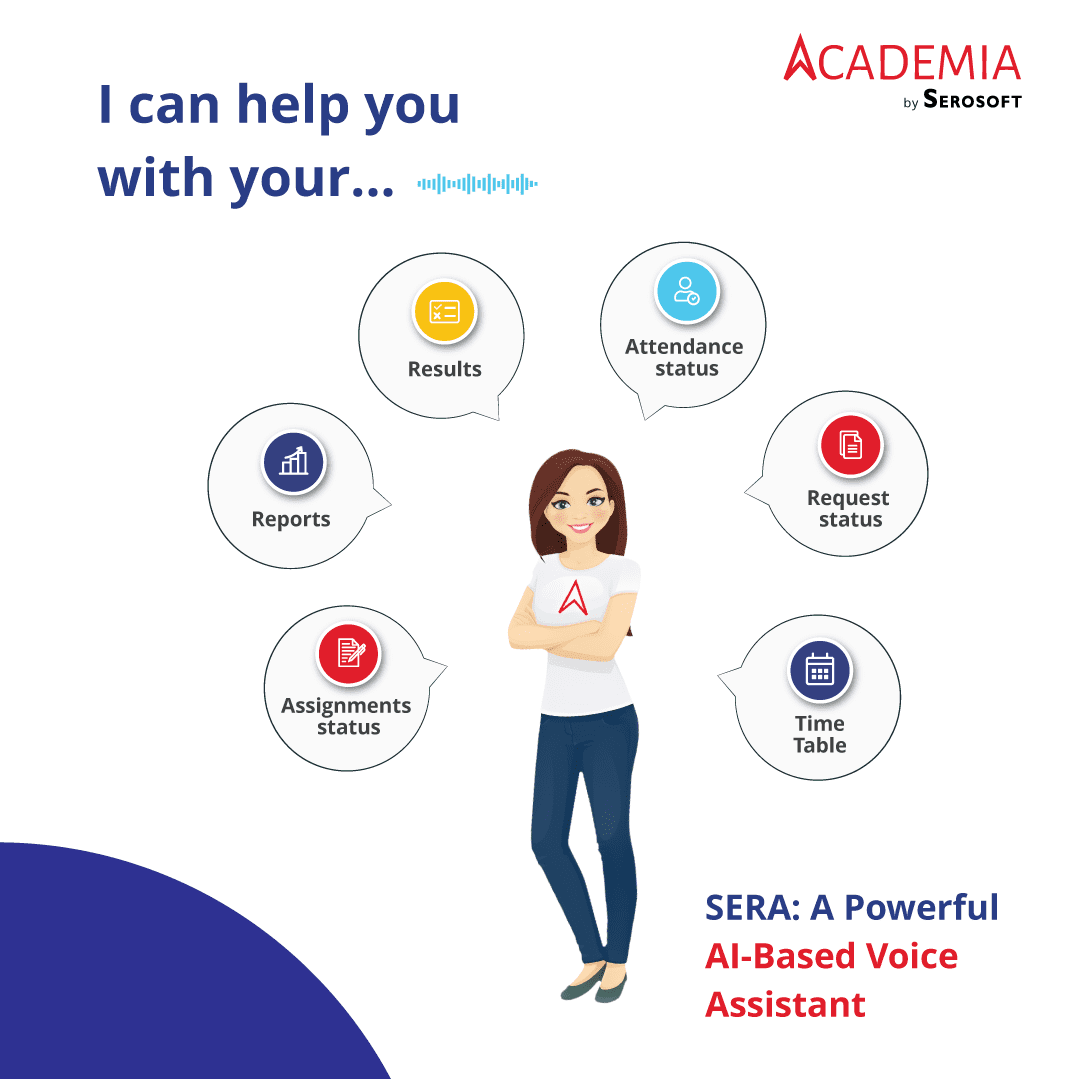
SERA enriches the learning experience by providing instant access to a vast repository of information from AcademiaERP. With just simple voice commands like: “ sera, show me the time- table” , students can ask SERA questions related to various aspects, enabling them to function more efficiently. SERA can also provide personalized reports based on an individual’s records, helping students optimize their educational journey.


Efficient Administrative Tasks:

Academia ERP’s SERA streamlines administrative tasks and reduces the burden on educators and administrative staff. Through voice commands, administrators can effortlessly manage student records, and attendance, and generate reports, saving valuable time and effort. SERA’s intuitive interface makes data access and analysis very smooth, ensuring that administrators can make informed decisions to enhance the institution’s performance.


Smart Campus Management:

SERA’s integration with Academia ERP’s comprehensive system enables it to extract and deliver various aspects of campus operations. It can provide access to event scheduling, room allocation, and resource management seamlessly. For eg: Sera- “show me the event schedule for January” and it will reflect the entire event calendar for the month of January. With SERA, institutions can efficiently coordinate events, allocate resources, and manage facilities, ultimately creating a more organized and conducive learning environment for students and staff.


Dynamic Adaptation:

In today’s rapidly evolving world, there is a dire need to adapt to change quickly. Academia ERP understands this necessity and has equipped SERA with the ability to evolve and learn from its interactions. Through continuous communication , SERA becomes smarter over time with voice adaption of its user, delivering more accurate responses and personalized experiences. This dynamic adaptation empowers institutions to stay ahead of the curve and remain relevant in a constantly changing landscape.


Conclusion:

Academia ERP’s SERA is a game-changer in the education industry. By harnessing the power of AI, SERA enhances the learning experience, streamlines administrative tasks, and empowers institutions to adapt to a dynamic environment. As technology continues to shape the future of education, Academia ERP’s commitment to innovation and AI-driven solutions helps organizations grow, ensuring they can meet the evolving needs of students and provide an exceptional educational experience. With SERA, Academia is embracing the future, and the possibilities are limitless. So now with SERA, everything is just a sound away!

Don’t just read about it – see it in action! Click here to Request Demo and discover how Academia ERP and SERA can transform your institution.

Conduct Comprehensive Academic and Administrative Audit with Academia ERP

Conduct Comprehensive Academic and Administrative Audit with Academia ERP

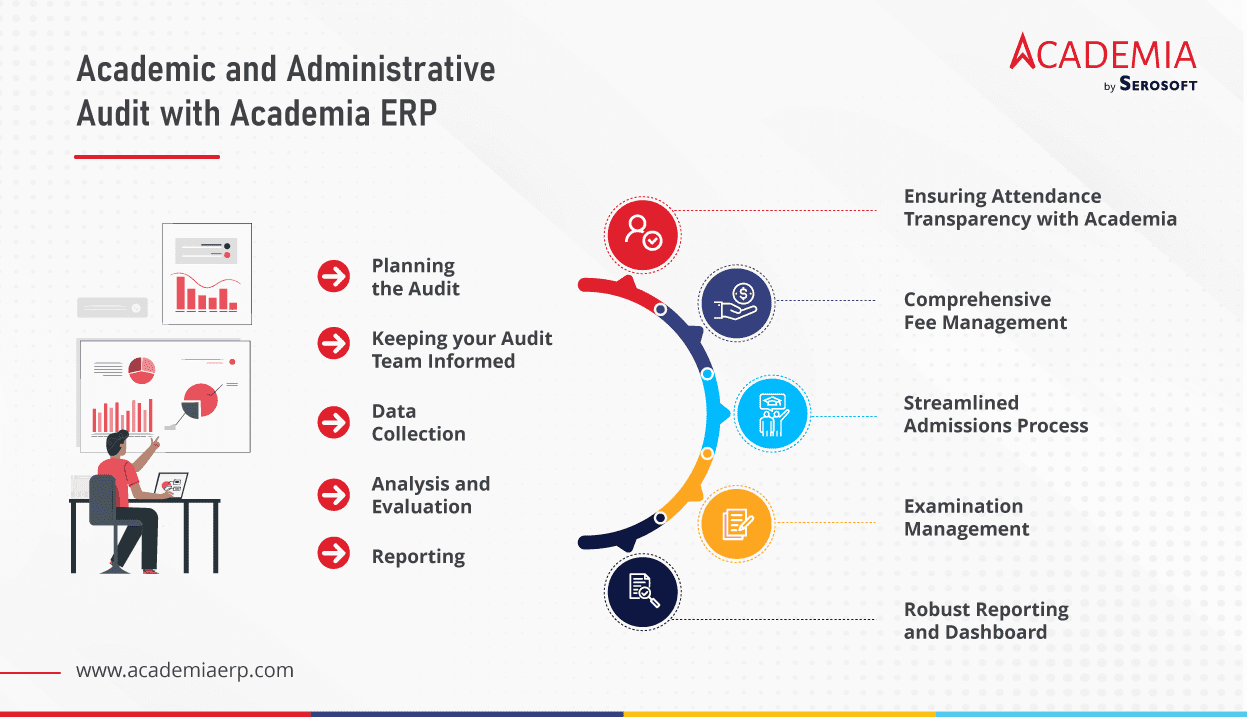
The Academic and Administrative Audit (AAA) is a key process in educational institutions to evaluate the effectiveness of their academic and administrative operations. This systematic and objective evaluation identifies areas of strength and potential improvement, fosters continuous growth, and assures compliance with established standards. Here, we delve into how the Academia ERP system aids in streamlining this audit process and how it enhances overall institutional efficiency.

Planning the Audit: Efficient planning is crucial to a successful audit. This includes defining the audit’s scope, identifying key areas for review, and establishing clear objectives. With Academia ERP, you get a comprehensive picture of various academic and administrative aspects, assisting you in making data-backed decisions for the audit scope and objectives. For example, the total number of applications and admissions, demographics of admissions, pending Invoices, available seats, progress with clear marks/grades, etc.

Keeping your Audit Team Informed: An audit team composed of individuals with the required knowledge and experience is necessary. Academia ERP’s robust reporting and analytics features provide critical insights to the audit team, aiding them in making informed evaluations.

Data Collection: The audit team gathers data through various means, such as document reviews, interviewing relevant stakeholders, observing operations, and conducting surveys. Academia ERP digitizes the whole process by virtue of its centralized database. The audit team can download data on various institutional activities like admission, fee plan, fee payment, various physical resource allocation, student attendance, assignment submission, and student performance in the examination with a single click. This results in saving a huge amount of the auditor’s time and also ensure data integrity.

Analysis and Evaluation: The gathered data is then analyzed to assess the institution’s compliance with academic and administrative standards, the effectiveness of practices, and the achievement of objectives. AcademiaERP already comes with a variety of reports and charts which makes this analysis much easier and faster. 

Reporting: The final step involves preparing and presenting the audit report. Academia ERP’s sophisticated reporting system allows for a clear summary of the audit findings, including compliance and non-compliance areas, strengths, weaknesses, and recommendations for improvement.

Following are some examples of Academia ERP support to carry the audits:

1. Ensuring Attendance Transparency with Academia: Academia ERP/SIS promotes complete transparency in attendance tracking. This feature ensures that only students meeting the minimum attendance criteria can advance to the next level, thereby maintaining academic integrity and standards.

2. Comprehensive Fee Management: With Academia, you can seamlessly manage all financial transactions. It meticulously tracks and records every financial detail, from bills and receipts to outstanding amounts. Its financial hold feature is critical during course enrollment, hall ticket issuance, result publication, and student promotion to the next level, ensuring every monetary detail is noticed.

3. Streamlined Admissions Process: Academia enhances transparency in the admissions system, providing comprehensive reports that give a holistic view of the admission process. These include enquiry summaries, application statuses, and admission summaries. These reports track every stage of the admission process, from initial enquiries and applications to final admissions, ensuring efficient and transparent admission management.

4. Examination Management: Academia ensures examination transparency by integrating attendance percentages with exam eligibility. It streamlines the entire examination process, from pre-examination arrangements such as center, staff, and room allocation to exam execution, including managing exam attendance and student mark entry. The system also handles post-exam processes like result calculation, mark sheet generation, and grade conversion, ensuring a seamless and transparent examination workflow.

5. Robust Reporting and Dashboard: Academia’s dashboard and reporting capabilities provide a comprehensive auditing tool for institutions. You can assess the institution’s performance based on various parameters, including fee collection summaries and examination statistics. Detailed insights into passed, failed and detained students and revaluation data provide a granular view of institutional performance, supporting strategic decision-making and continuous improvement.

Stay ahead of the curve in audit readiness by keeping all necessary data and reports at your fingertips with Academia ERP. Discover the potential of this system with a live product demonstration. It’s time to experience a game-changer in academic and administrative auditing.  Discover the potential of this system with a live product demonstration.

How Student Portals Improve Engagement and Success

In today’s digitally-driven educational landscape, student self-service portals have emerged as pivotal tools, enabling students to take charge of their learning journey. These platforms offer a variety of resources and functionalities that foster independence, enhance engagement, and facilitate academic success. In this post, we’ll delve into how a self-service portal can help students stay on track, specifically focusing on how the Academia ERP/SIS platform contributes to this process.

The Power of Student Portals

At their core, student portals are designed to provide students with easy, round-the-clock access to important academic and administrative information. Here’s how these portals play a vital role in keeping students on track:

  1. Information Access: Portals act as a centralized hub for academic information, including course schedules, syllabi, grades, and progress reports. This ready access to information lets students stay abreast of their academic status, deadlines, and assignments.
  2. Administrative Efficiency: Portals streamline administrative tasks like course registration, fee payments, and application submissions, saving students time and effort. This efficiency allows students to focus more on their studies and less on bureaucratic processes.
  3. Communication and Collaboration: Portals facilitate communication between students and faculty and among students themselves, fostering a collaborative learning environment. Timely notifications and updates inform students about essential academic events and changes.
  4. Personalized Learning: Portals offer access to a variety of learning resources, including e-books, video lectures, and interactive quizzes. These resources allow students to learn at their own pace and in their preferred style, enhancing understanding and retention.

Some of the Academia ERP screens that help students through a dedicated student portal:

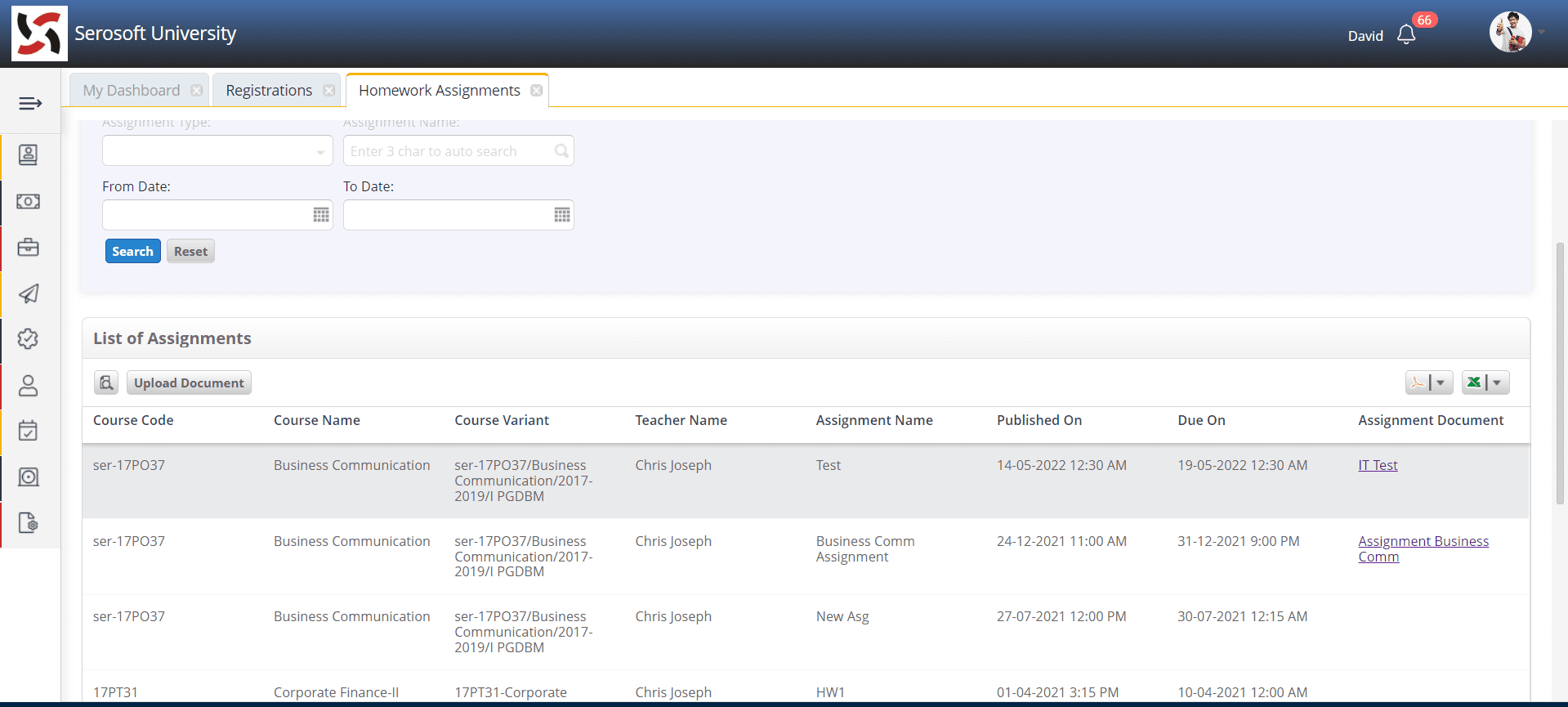
Students Assignment Screen:

Students Assignment Screen
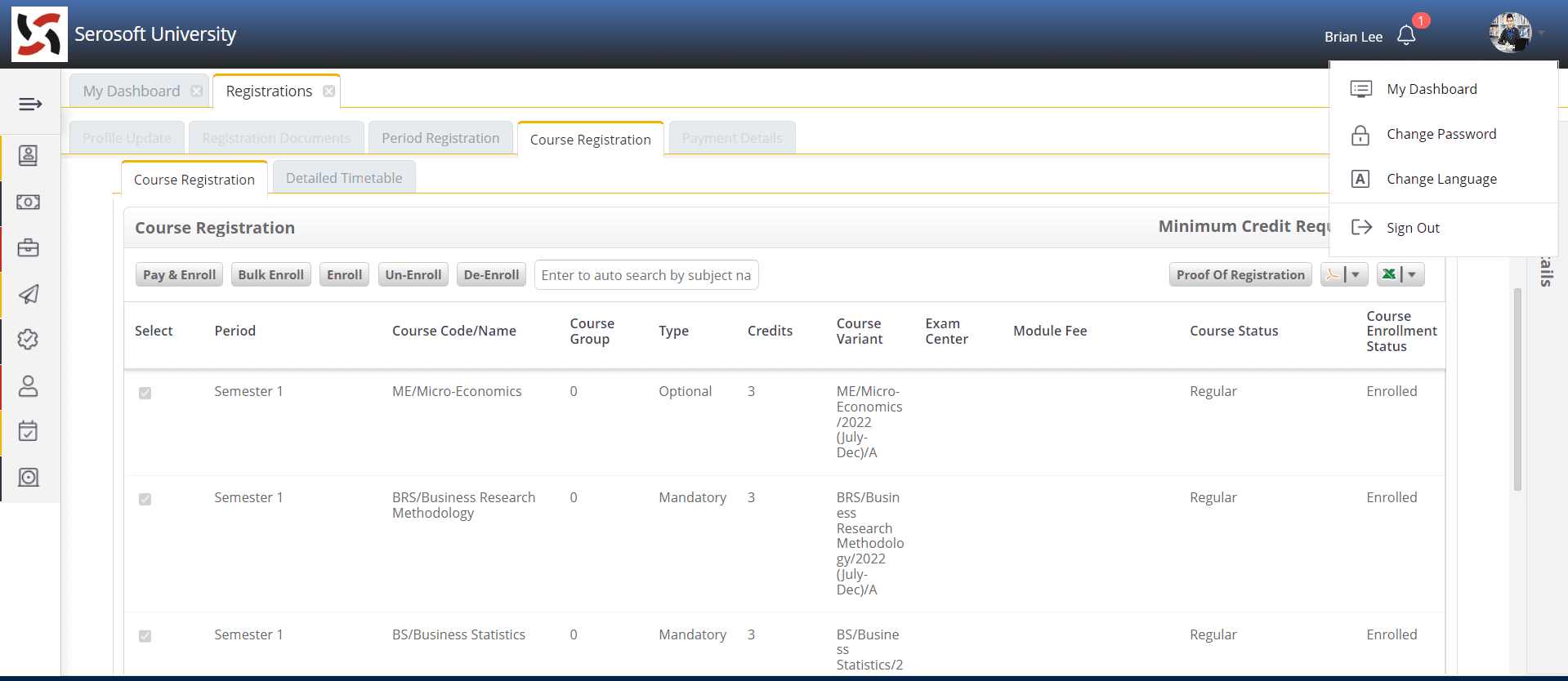
Student Course Registration:
Student Course Registration
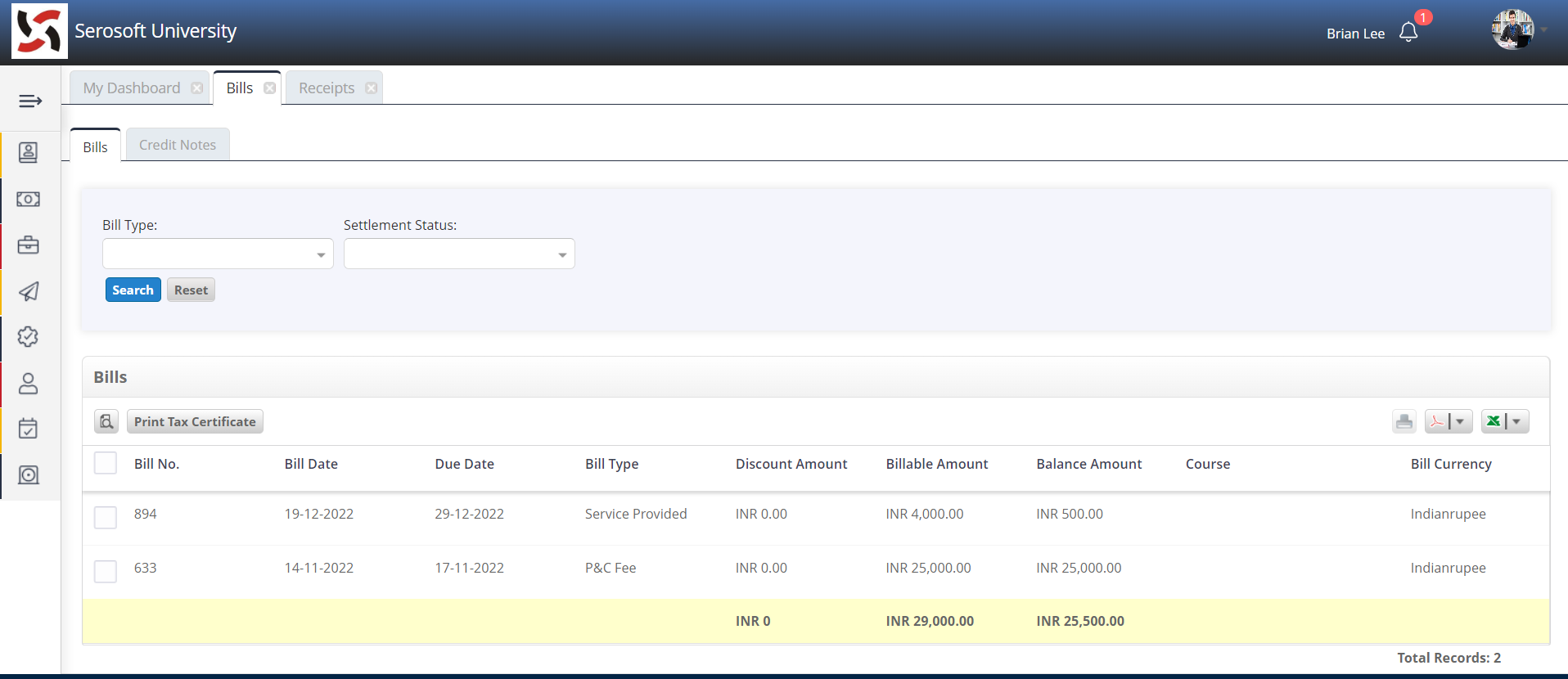
Students Fee Invoices:
Students Fee Invoices
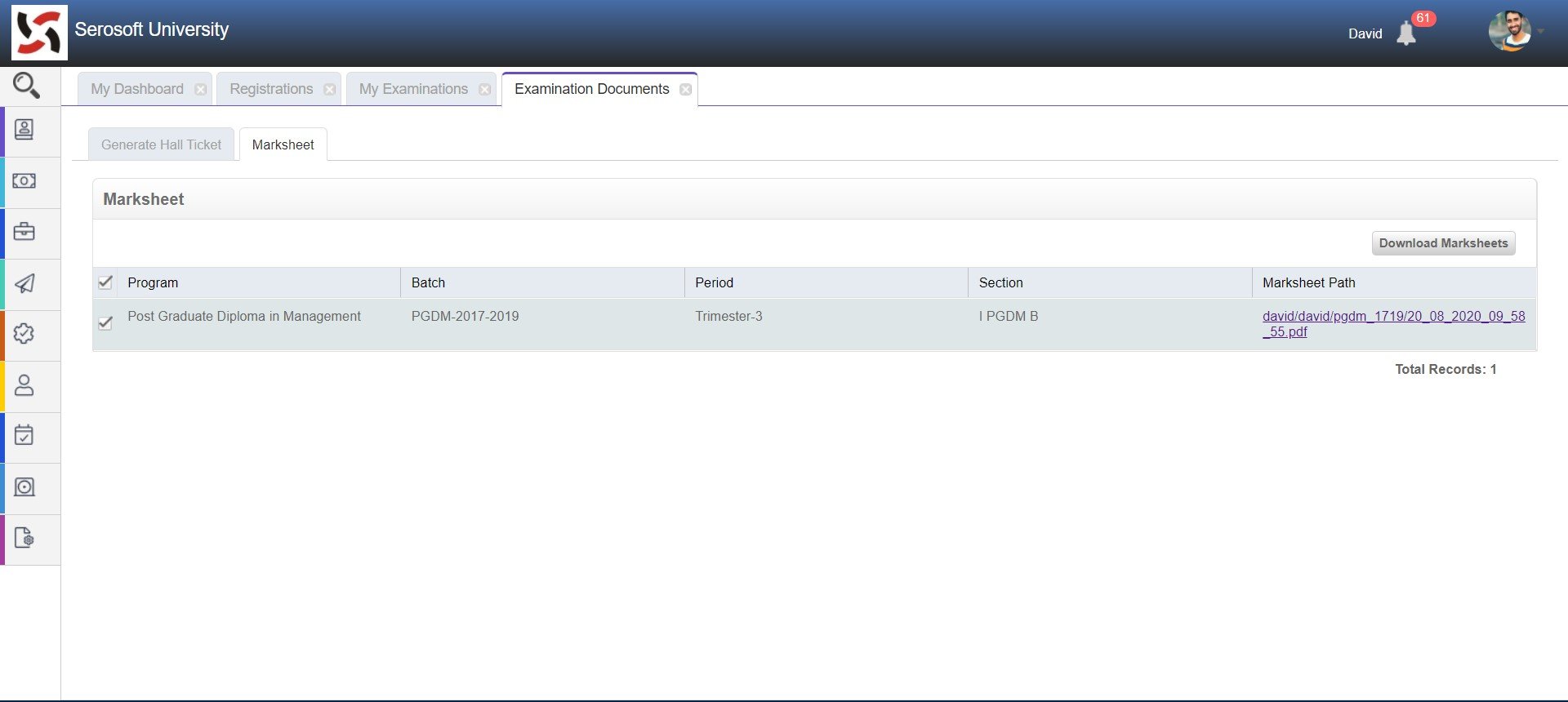
Examination Result Download:

Examination Result

Academia ERP/SIS: A Partner in Student Success

Academia ERP/SIS takes the functionality of a self-service portal further, offering a comprehensive suite of tools designed to support students’ academic journey.

Real-time Academic Tracking: Academia ERP/SIS provides students with real-time access to their academic progress, including grades, attendance, and course completion status. This transparency enables students to monitor their performance, identify areas of improvement, and take proactive steps to stay on track.

Digitization of Assignments: Faculty can upload assignments in AcademiaERP portal and assign to students of a particular program-batch-section or even a customized set of students. They can also set assignment deadlines and AcademiaERP automatically allows student to submit assignments till the deadline

Integrated Learning Management: The platform integrates with Learning Management Systems, providing students with seamless access to course materials, assignments, and online assessments. This integration fosters a blended learning environment that accommodates diverse learning preferences.

Effective Communication Tools: Academia ERP/SIS includes communication tools facilitating student, teacher/faculty, and administration interaction. These tools, including discussion forums, chat, and email, promote a sense of community and foster collaborative learning.

Learn more with a live product demo.

Understanding Collaborative Learning and its Impact on Educational Success

Embracing Collaboration in Education

Collaborative learning has emerged as a powerful pedagogical approach, transforming how students and teachers engage with the learning process. By fostering teamwork, communication, and mutual support, collaborative learning has the potential to create a more dynamic and inclusive educational experience. In this blog post, we will explore the fundamentals of collaborative learning, its benefits, and strategies for implementing it effectively. Finally, we will discuss how Academia ERP/SIS can support collaborative learning in educational institutions.

Collaborative learning is an instructional approach where students work in small groups to accomplish shared goals. Rather than learning in isolation, students engage with their peers, pooling their knowledge, skills, and perspectives to solve problems, complete projects, or discuss concepts. This learning method hinges on the belief that learning is a social process and that interaction with others can enhance understanding and retention.

The benefits of collaborative learning are numerous, including:

  1. Improved academic performance: Collaborative learning has been shown to boost student achievement, as the process of working together can deepen understanding, promote critical thinking, and enhance problem-solving skills.
  2. Enhanced communication and interpersonal skills: By working together, students have the opportunity to practice and refine their communication, negotiation, and conflict resolution skills, which are essential for success in the placement process and future careers of the students. A successful alumni network is one key way to increase brand value of an institue
  3. Increased motivation and engagement: Collaborative learning can make the educational process more enjoyable and engaging, as students often find working with their peers more motivating than learning alone.

Academia ERP/SIS is a comprehensive education management system that can support collaborative learning initiatives in various ways. This platform offers communication, file sharing, and project management tools, facilitating seamless interaction and collaboration among students and faculties. They can upload course materials, study notes, etc., which can be made accessible to students from a particular program batch, a customized set of students, or even a specific student. It is also possible to set rules where the automatic notification will go via various channels (like Whatsapp, Email, etc.) on the upload of these documents. Also, AcademiaERP provides an option to create a drive where all the important course materials and other documents can be centrally stored. 

AcademiaERP has made the assignment allotment by the faculty, assignment submission by the student, and assignment correction by the faculty completely digital and fast.

Furthermore, Academia ERP/SIS provides real-time analytics and reporting features, enabling instructors to monitor students’ progress, identify areas for improvement, and provide personalized support as needed.

In conclusion, collaborative learning is a powerful instructional approach that fosters teamwork, communication, and mutual support, leading to improved academic performance, increased motivation, and the development of essential social and emotional skills. By embracing collaborative learning strategies and leveraging the capabilities of advanced education management systems like Academia ERP/SIS, educational institutions can create a dynamic, inclusive, and successful learning environment that prepares students for the challenges of the 21st-century workforce.

Improve Teacher’s Productivity By more than 30% with Academia ERP

Streamline Attendance, Assignments, and Course Material Distribution

Introduction: 

Teachers are the backbone of the education system, playing a crucial role in shaping the next generation’s minds. However, they often spend a significant portion of their time performing administrative tasks, such as marking attendance, distributing and collecting assignments, and sharing course materials. Research indicates that teachers spend approximately 30-40% of their time on these non-teaching tasks, which could be better utilized for lesson planning, student interaction, and professional development. AcademiaERP, a versatile ERP platform for educational institutes automates and digitizes these tasks, freeing up valuable time for teachers and enhancing their productivity.

How AcademiaERP Helps Teachers:

1. Automation of Attendance Marking: 

AcademiaERP’s advanced attendance management system automates the process of marking attendance via QR codes and hence eliminates teachers’ time to take the attendance. As those attendances are automatically logged in the system students/ teachers and admins can easily track student attendance through the platform’s user-friendly interface making the reconciliation easy and eliminating fraud. Also real-time updates and prompt notification can be sent to the students who are absent 

2. Automation of Assignment Distribution and Collection:

The platform’s assignment management module simplifies distributing, collecting, and managing student assignments. Teachers can create assignments, set deadlines, and distribute them to students with just a few clicks. Students can submit their completed work through the platform, allowing teachers to review and provide feedback quickly and more efficiently. This automation eliminates the need for the physical handling of papers and streamlines the entire assignment workflow.

3. Automation of Course, Material Distribution to the Students:

AcademiaERP’s course material distribution system enables teachers to easily share course materials, resources, and announcements with students. By centralizing these resources in one platform, teachers save time on organizing and distributing materials, while students benefit from having easy access to everything they need for their courses. 

Besides the above benefits AcademiaERP comes with other key modules like Admission Management, Program and Course Management, Fee Management, Hostel Management, Student Management etc. It digitizes the institute’s operations and ensure all the stakeholders can devote their valuable times in more productive works

Experience the power of Academia ERP/SIS firsthand by scheduling a demo. Discover how to boost teacher productivity and unlock your institution’s full potential with our cutting-edge solution.

The Expanding Role of Educational Management Information Systems (MIS) in the Education Sector

The landscape of the education sector has undergone a radical transformation, with technology playing an increasingly pivotal role. Among the various digital innovations, the Educational Management Information System (MIS) stands out for its profound impact on educational institutions. An Educational MIS plays a transformative role in the education sector by centralizing data, streamlining operations, and enabling informed decision-making.

An Educational MIS is a data-centric system that manages, organizes, and disseminates information related to the activities of educational institutions. It encompasses data on students, faculty, curriculum, examinations, admissions, and much more. The robust management of this data serves as a catalyst for informed decision-making and performance enhancement in educational institutions.

A key function of an Educational MIS is the simplification of administrative tasks. An MIS can significantly save time and reduce errors by automating routine activities such as scheduling, attendance tracking, and report generation. This operational efficiency liberates educators and administrators from mundane paperwork, allowing them to focus on more strategic and impactful tasks, thereby enhancing the institution’s overall productivity.

Furthermore, an Educational MIS facilitates seamless communication and collaboration. An MIS can enable real-time information sharing, foster collaboration, and improve transparency by serving as a central communication platform among students, teachers, parents, and administrators. This augmented communication nurtures a supportive and engaging educational environment that ultimately contributes to superior student outcomes.

Additionally, an Educational MIS is critical in strategic planning and decision-making. With its potent data analysis and reporting features, an MIS can provide actionable insights into various facets of an institution’s performance. These insights empower educational leaders to identify potential areas of improvement, monitor progress toward set goals, and make data-driven decisions that align with their strategic objectives.

An Educational MIS also plays a crucial role in enhancing the teaching and learning experiences. It offers tools for efficient curriculum management, lesson planning, and performance tracking, fostering effective teaching practices. For students, the system can create personalized learning paths, provide access to resources, and offer self-assessment opportunities, which enhances their learning experience and fosters a learner-centric environment.

In essence, the role of an Educational MIS in the education sector is transformative, extending beyond administrative efficiency to strategic decision-making, improved communication, and enhanced teaching and learning experiences.

In this sphere, the Academia ERP/SIS is a standout Educational MIS, offering a comprehensive set of features tailored to the diverse needs of educational institutions. Academia ERP/SIS simplifies educational management from managing admissions, academics, and examinations to overseeing finance, human resources, and inventory, Academia ERP/SIS simplifies educational management.

Academia ERP/SIS also provides real-time analytics and advanced reporting capabilities, enabling institutions to extract meaningful insights from their data. It supports strategic decision-making, tracks institutional performance, and aids in identifying areas for improvement.

Moreover, Academia ERP/SIS is celebrated for its user-friendly interface, robust security measures, and superior customer support. These attributes, coupled with its extensive functional capabilities, make it a trusted choice for institutions seeking to leverage the power of an Educational MIS.

A few screens to help you understand what Academia ERP/SIS can do for your organization:


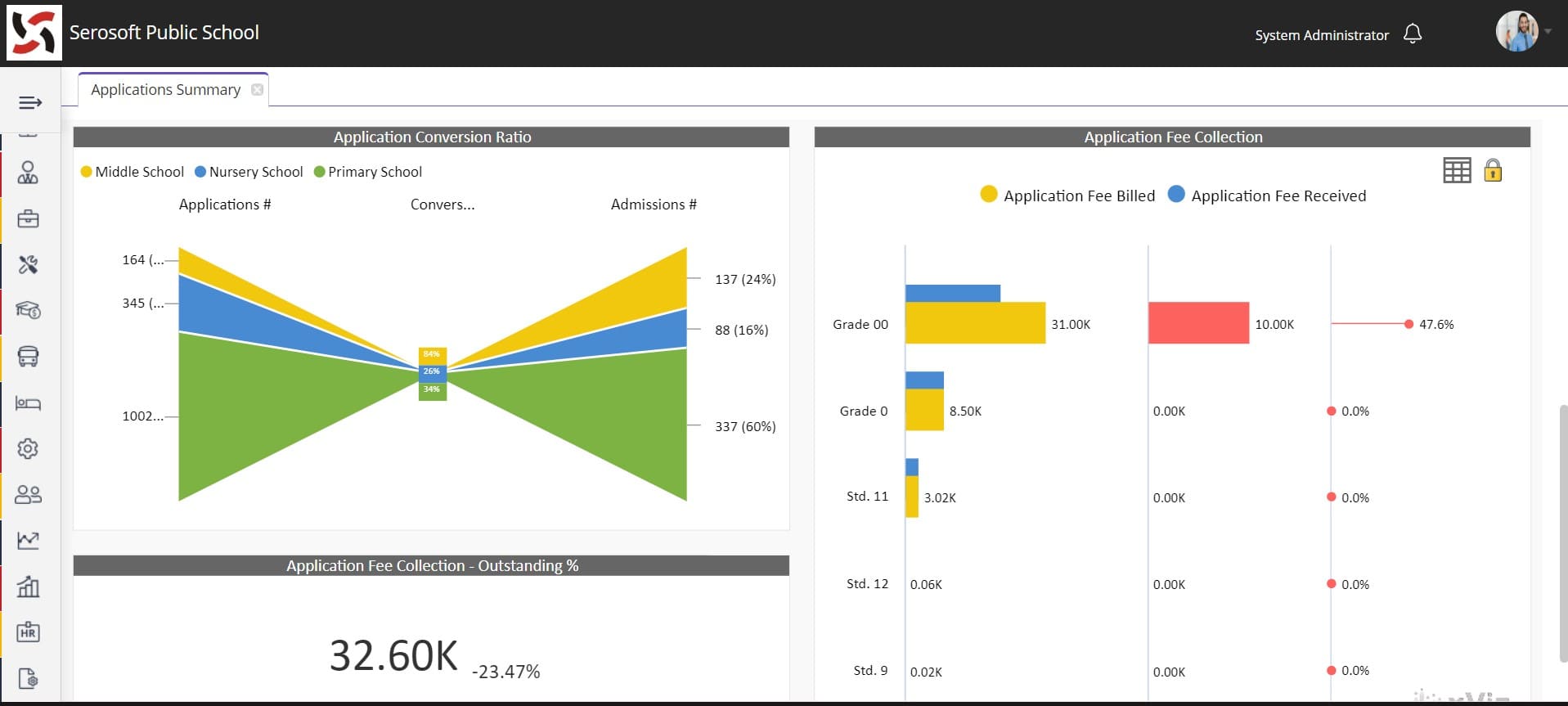
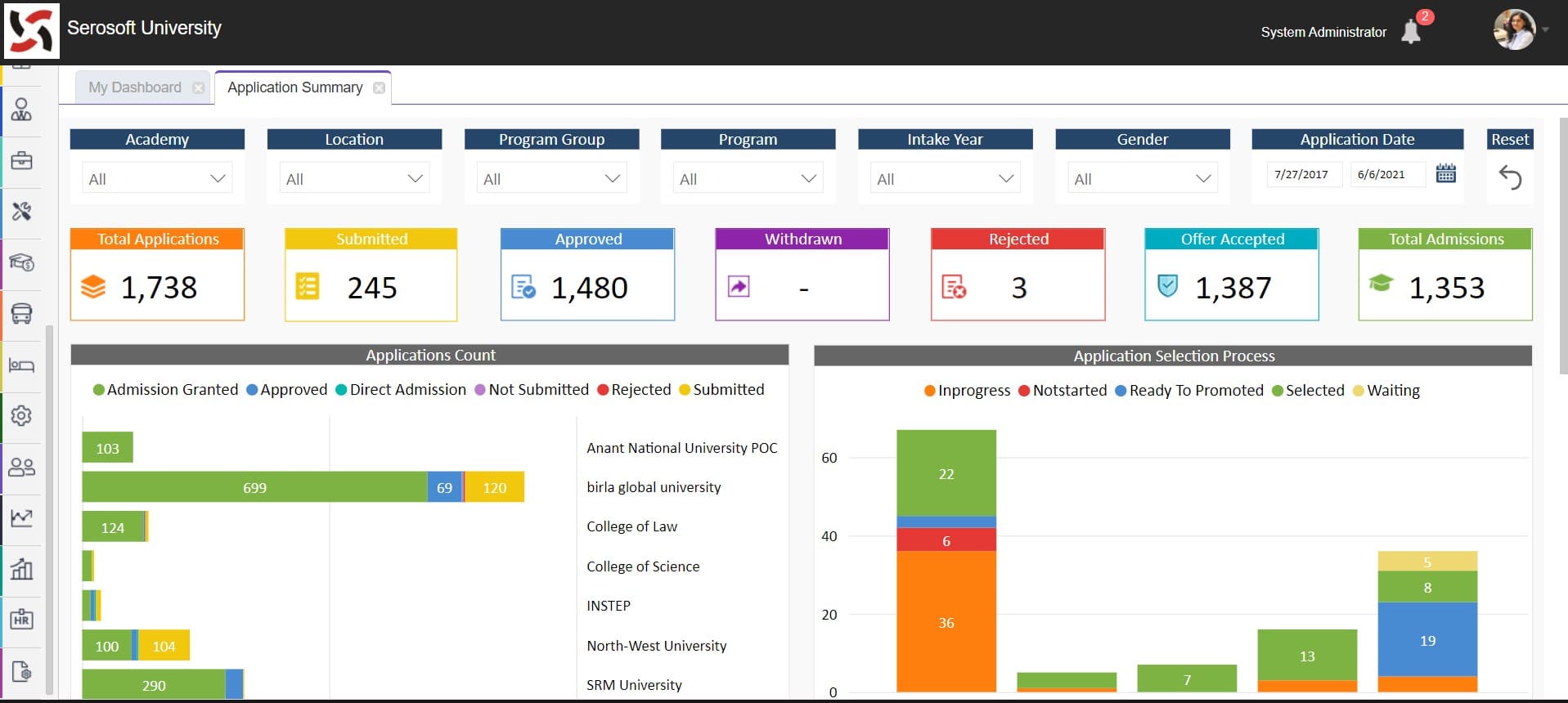
Application Analytics K12:

Application Analytics


Application Analytics for Higher Ed:

Application Analytics for Higher Ed


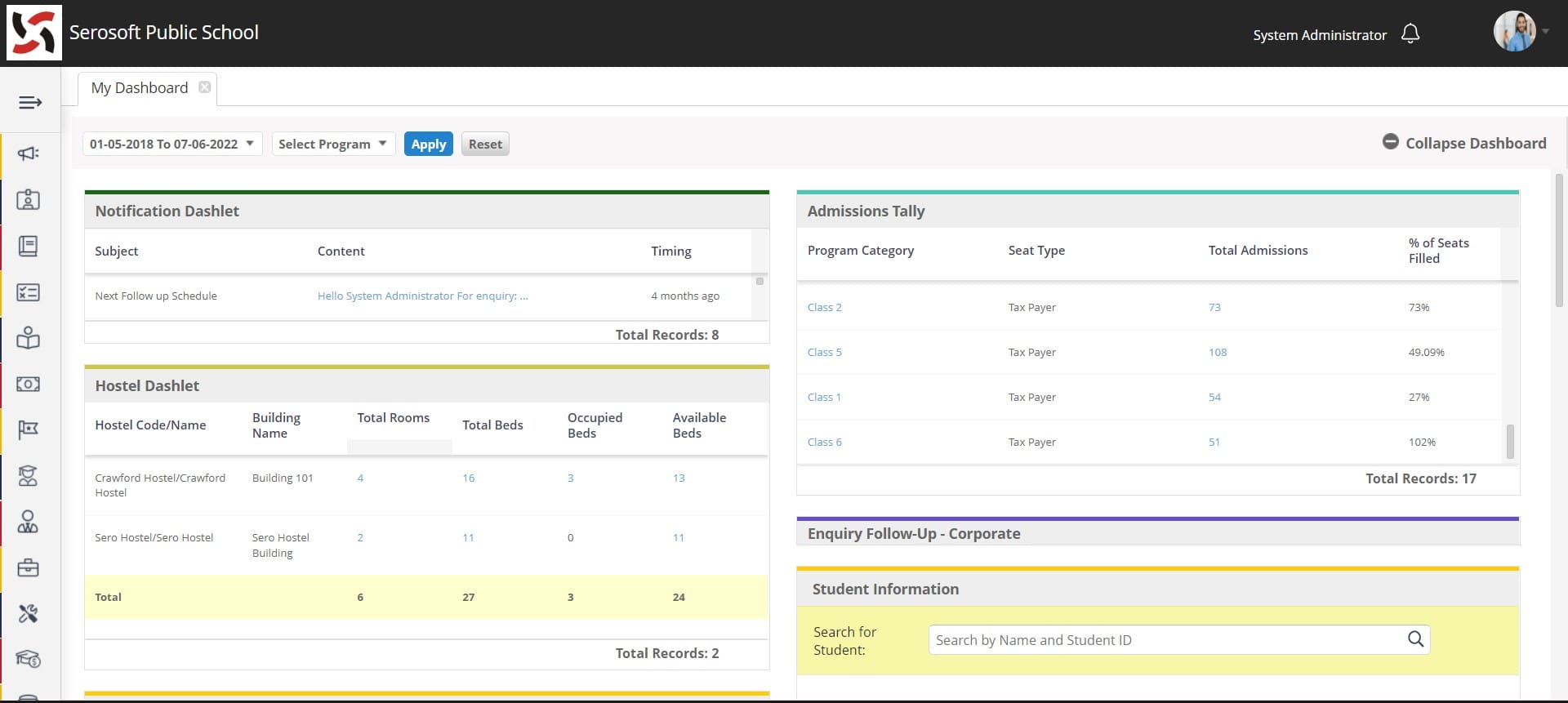
Dashboard for K12:

Dashboard - k12


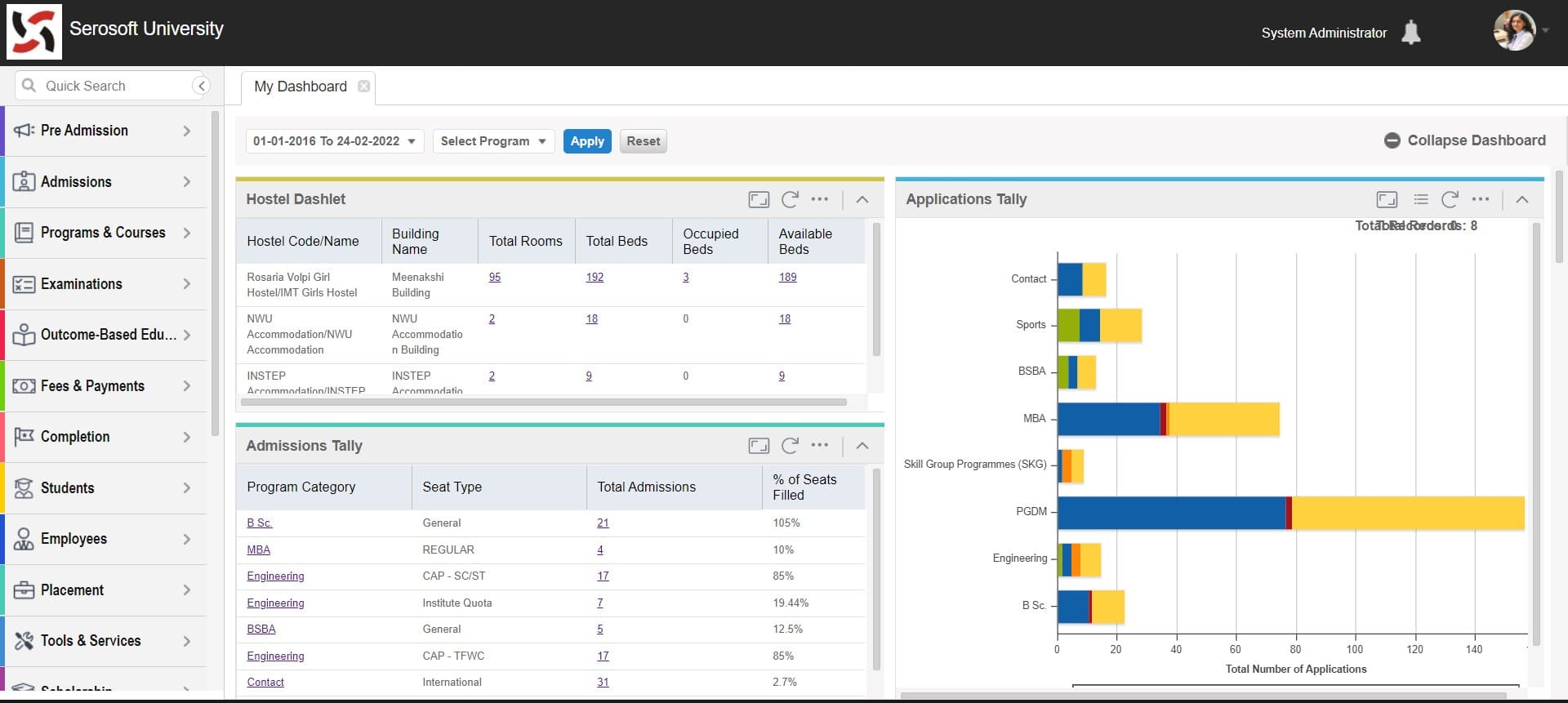
Dashboard for College/University:

Dashboard for K12


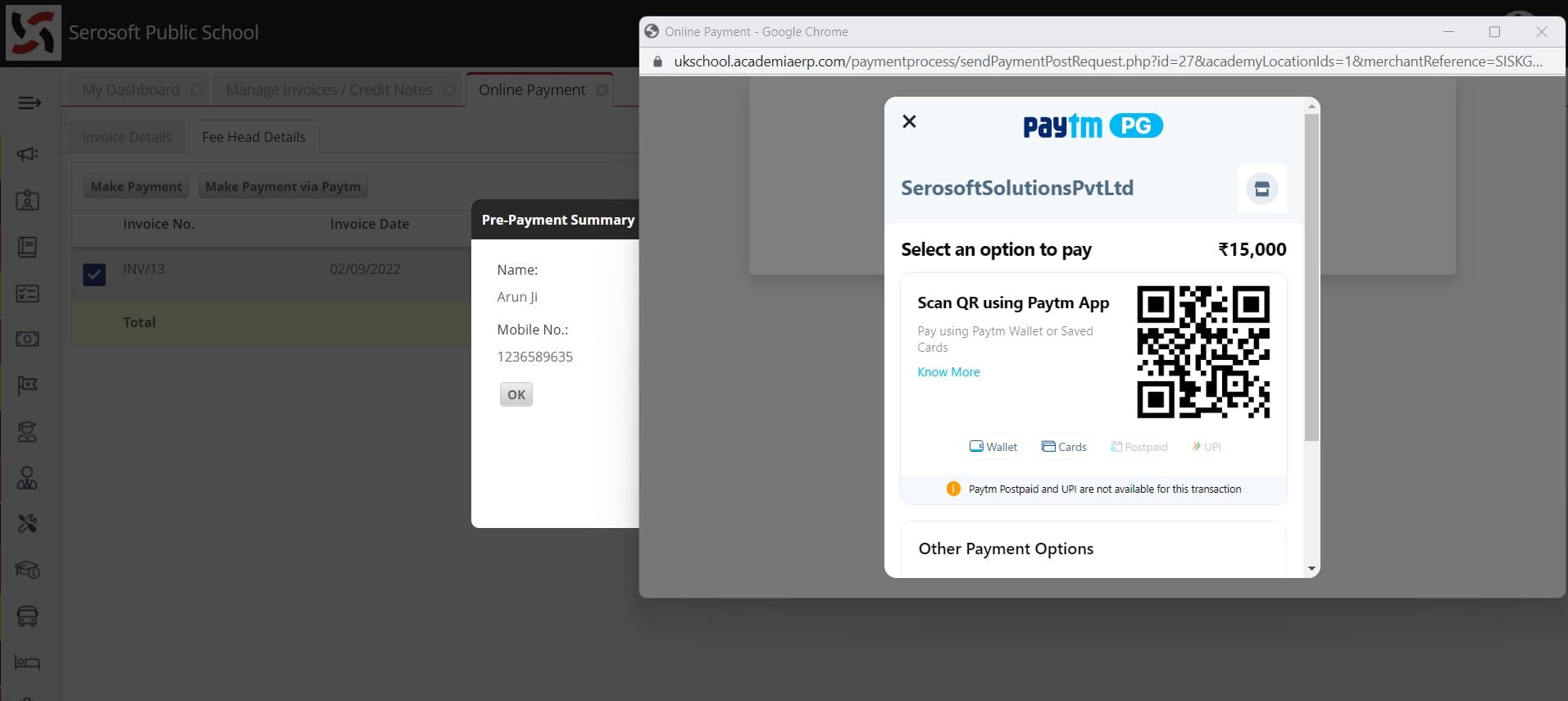
Fee Payment:

Online Payment


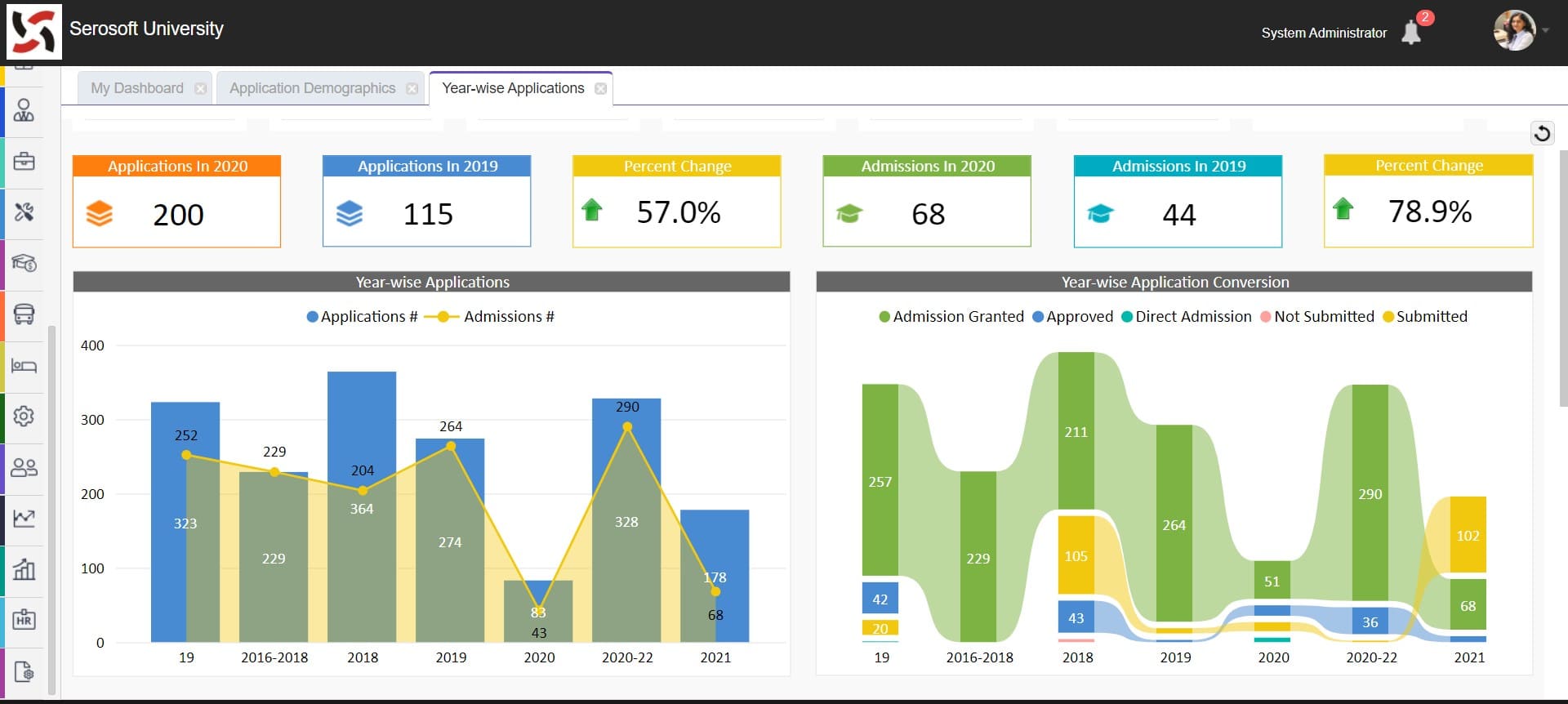
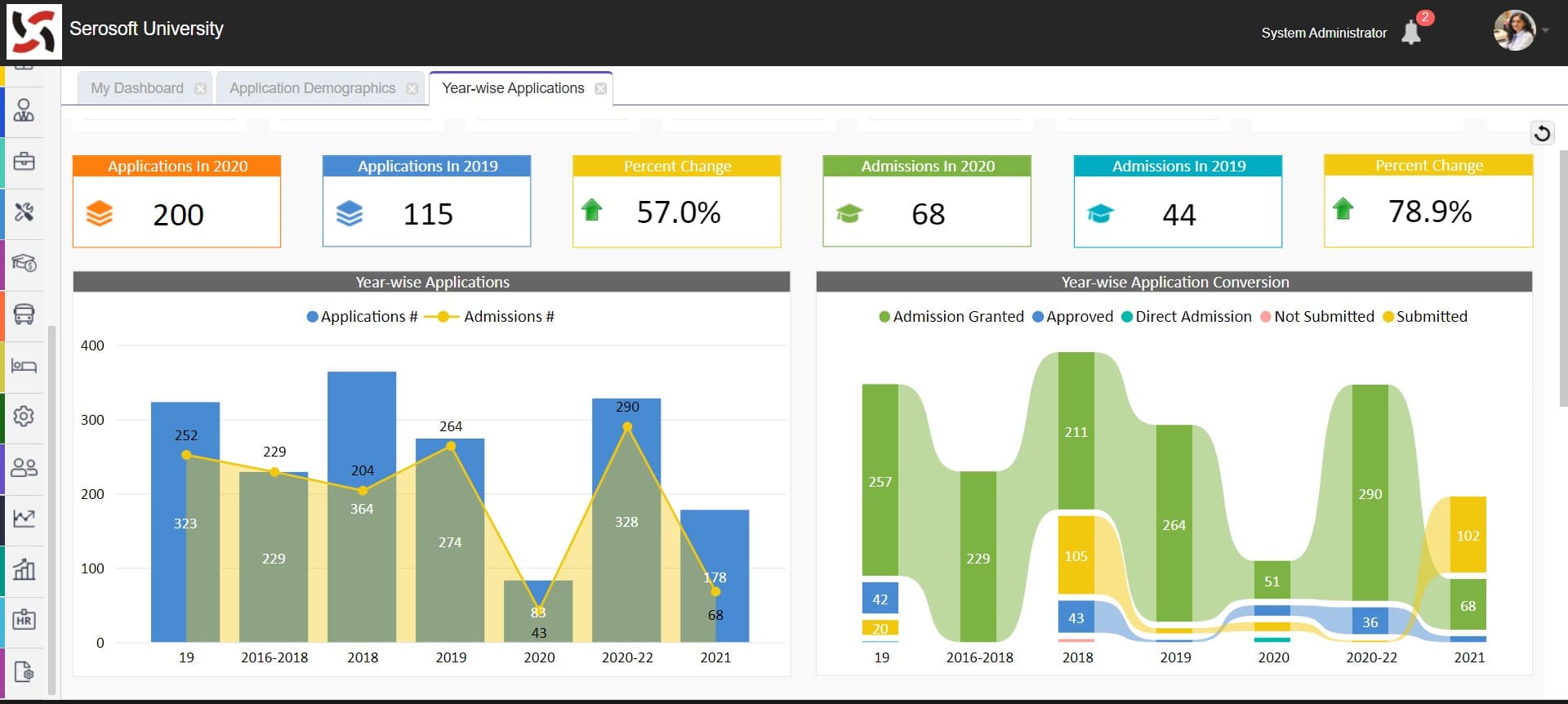
Year wise Application:

Year wise application


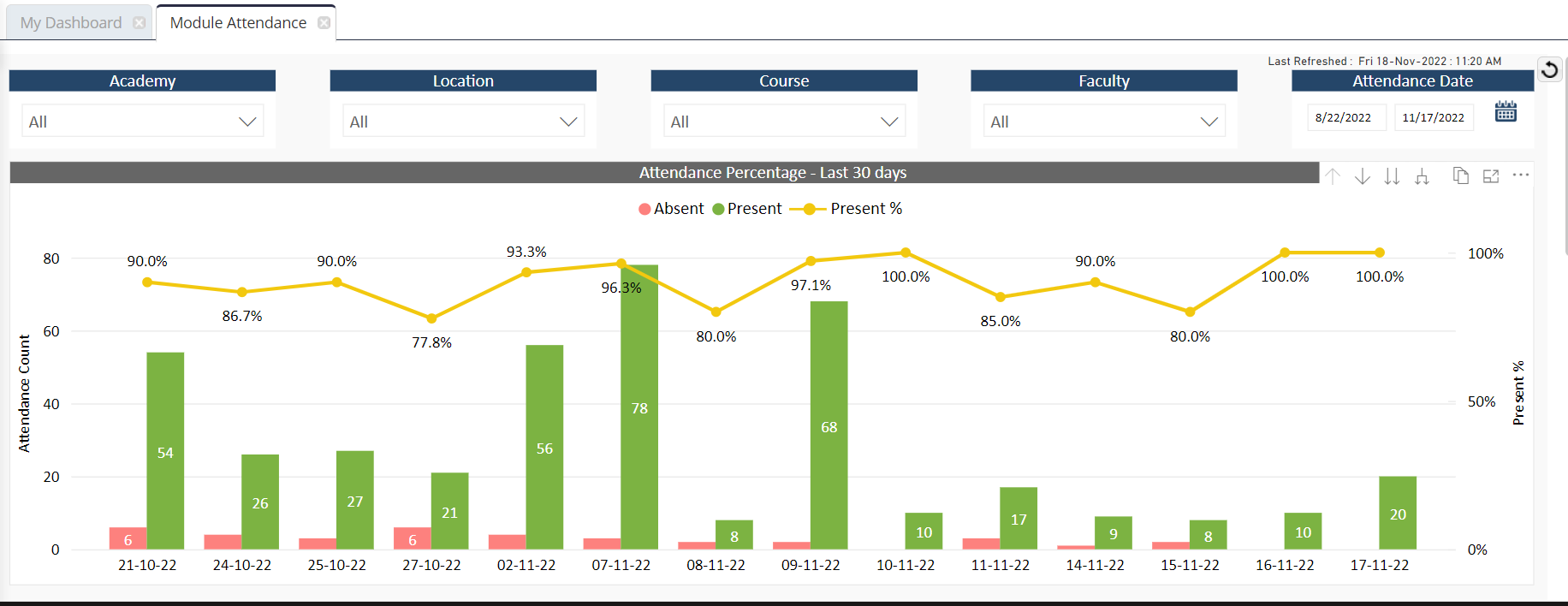
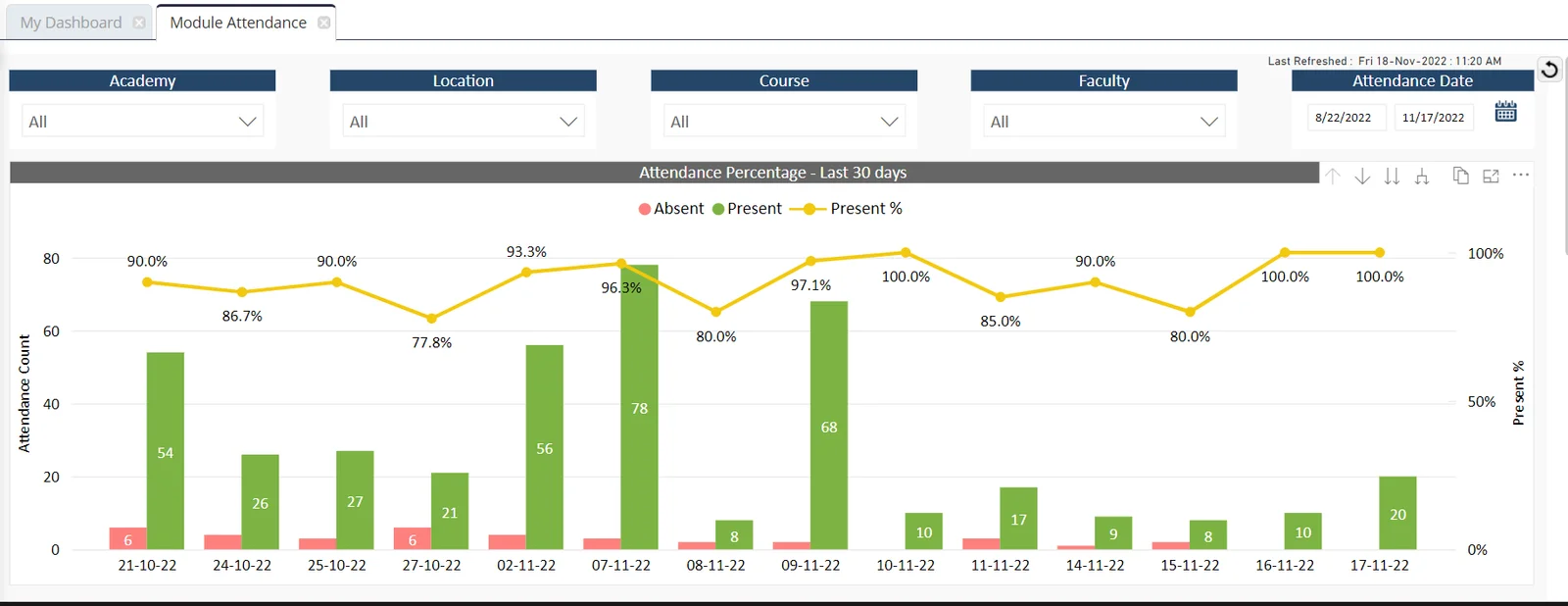
Attendance Analysis:

Attendance Analytics


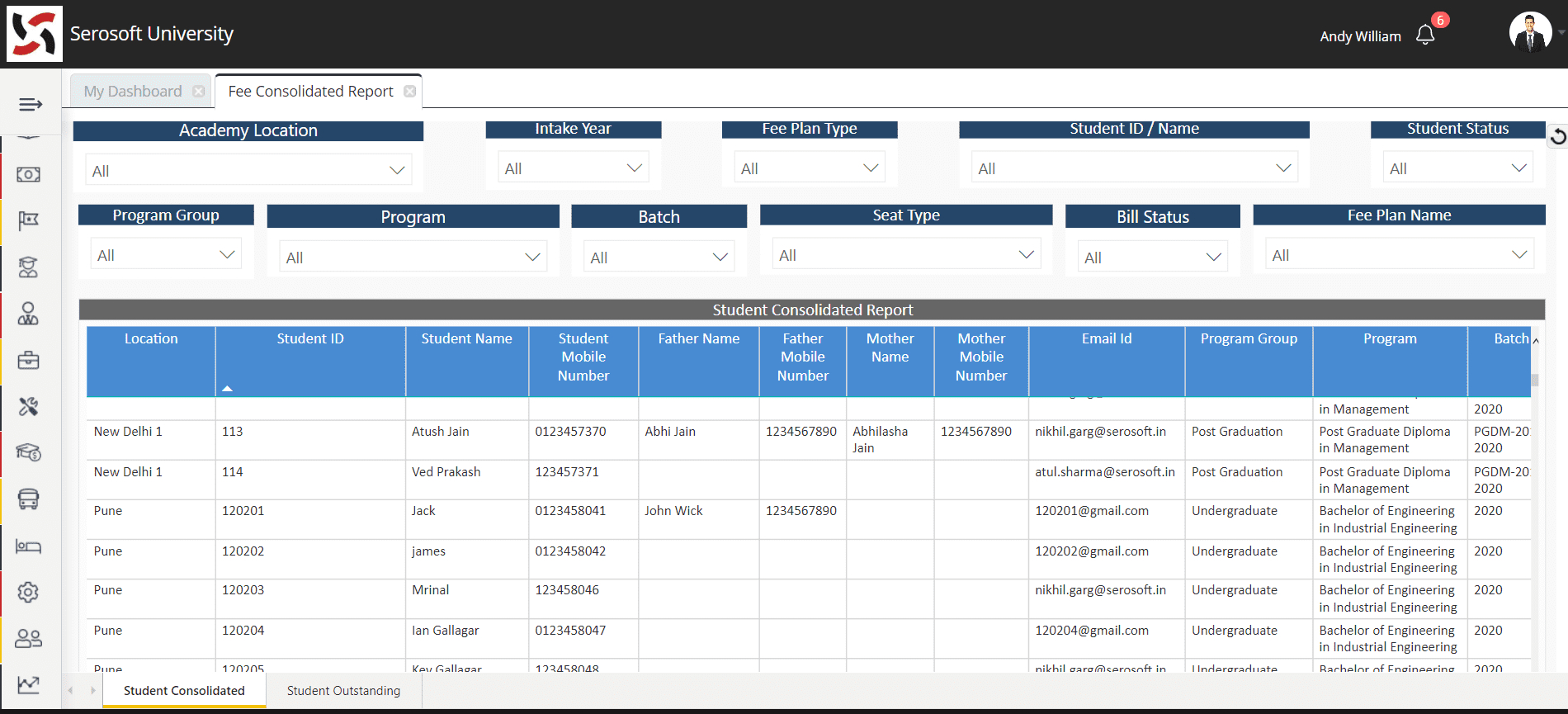
Fee Consolidated Report:

Fee Consolidated Report

The above screens are just the tip of the iceberg learn more with a live Academia ERP/SIS demo.

In conclusion, the role of an Educational MIS in the education sector is expansive and transformative. It drives efficiency, enhances communication, supports informed decision-making, and enriches educational experiences. By integrating advanced Educational MIS solutions like Academia ERP/SIS, educational institutions are better equipped to navigate the challenges of the digital age, thereby bolstering their educational goals and objectives.

Unraveling Competency-Based Education (CBE): A Paradigm Shift in Learning Approaches

The educational landscape is constantly evolving, and one of the most noteworthy trends of the current era is Competency-Based Education (CBE). Unlike traditional education models that focus on time-based learning and evaluation, CBE centers on students’ ability to demonstrate mastery of specific skills or knowledge areas-competencies-regardless of how much time they spend on learning.

Competency-Based Education, as the name suggests, is an educational approach that emphasizes what learners can do rather than the time they spend in a classroom. In a CBE framework, students progress through their educational journey by mastering a series of competencies, each representing a well-defined, measurable skill or knowledge area relevant to their field of study. The pace of learning is flexible and personalized, allowing students to move on to the next competency only after demonstrating mastery of the current one.

What sets CBE apart is its learner-centric model. The learning process in CBE is tailored to each student’s needs, abilities, and learning styles. This personalization is possible due to the flexible pace of learning, which allows students to spend more time on challenging competencies and less time on those they grasp quickly. This flexibility fosters a more engaging and effective learning experience and ensures that all students reach the same high standards of competence.

Assessment in a CBE system is also unique. Unlike traditional grading systems that often provide a vague understanding of a student’s knowledge, CBE uses continuous and comprehensive assessments to determine whether a student has mastered a competency. These assessments can take various forms, such as projects, presentations, or tests, and provide a clear, precise measure of a student’s skills and knowledge.

The benefits of CBE are manifold. It ensures that students gain a deep, practical understanding of their field, which employers highly value. It also fosters lifelong learning skills like self-direction, problem-solving, and critical thinking. Moreover, the flexible pacing can make education more accessible for non-traditional students, such as working adults or those with family commitments.

Despite these advantages, implementing CBE can be a complex task for institutions, requiring significant changes in curriculum design, teaching methods, and assessment practices. However, technological solutions like Academia ERP/SIS can help to overcome these challenges.

Academia ERP/SIS, a comprehensive education management system, offers robust reporting and analytics features that can significantly support CBE implementation. It allows institutions to track students’ progress towards competency mastery in real-time, providing educators with the insights they need to tailor instruction and support to individual needs. Its flexible grading and assessment tools can accommodate the diverse, performance-based assessments typical of CBE, ensuring a precise measure of student competencies.

In conclusion, Competency-Based Education represents a significant shift from the traditional time-based education model, focusing instead on students’ mastery of specific skills and knowledge. With its potential to foster deep learning, personalize education, and better prepare students for the workforce, CBE is a promising approach for the future of education. And with the support of advanced education management systems like Academia ERP/SIS, implementing CBE can be a seamless and rewarding journey for educational institutions.

Learning Outcomes – Types, And Examples Of Learning Outcomes

Learning outcomes are a pivotal component of any educational system, guiding the path of instruction and assessment. In essence, they are concise, clear, and specific statements describing what learners are expected to know, understand, and be able to do at the end of a course or program. They create a connection between the learner, the learning process, and the evaluation of the learning experience.

There are generally three types of learning outcomes: cognitive, affective, and psychomotor.

Cognitive outcomes pertain to the intellectual or mental skills that a learner should acquire. These could range from recalling basic facts to synthesizing complex information. For instance, a cognitive learning outcome might state, “By the end of this course, students will be able to analyze and interpret statistical data.”

Affective outcomes, on the other hand, relate to attitudes, values, and emotions. They often involve changes in feelings, values, or beliefs. An example of an effective learning outcome could be, “Students will demonstrate an appreciation for diverse cultural perspectives.”

Psychomotor outcomes involve physical skills or the performance of actions. They might relate to any physical skill, from simple motor tasks to complex performances. An example might be, “At the end of the physical education course, students will be able to execute a proper volleyball serve.”

Creating effective learning outcomes requires a thorough understanding of the course content and a clear vision of success. They should be measurable, achievable, linked to assessment methods, and clearly communicated to students. They serve as a road map for the course design, guide teaching, and learning activities, and provide a basis for evaluating student performance.

Effective tracking and evaluating learning outcomes is critical in the current data-driven educational environment. This method is where a powerful Education Resource Planning (ERP) system like Academia ERP/SIS can be extremely beneficial.

Academia ERP/SIS offers comprehensive reporting capabilities, allowing institutions to generate precise and insightful reports on learning outcomes. These reports can help faculty members identify patterns in student learning, monitor progress toward learning goals, and adjust teaching methods or course content as needed.

Here are a few product screenshots that could significantly contribute to the enhancement of learning outcomes:

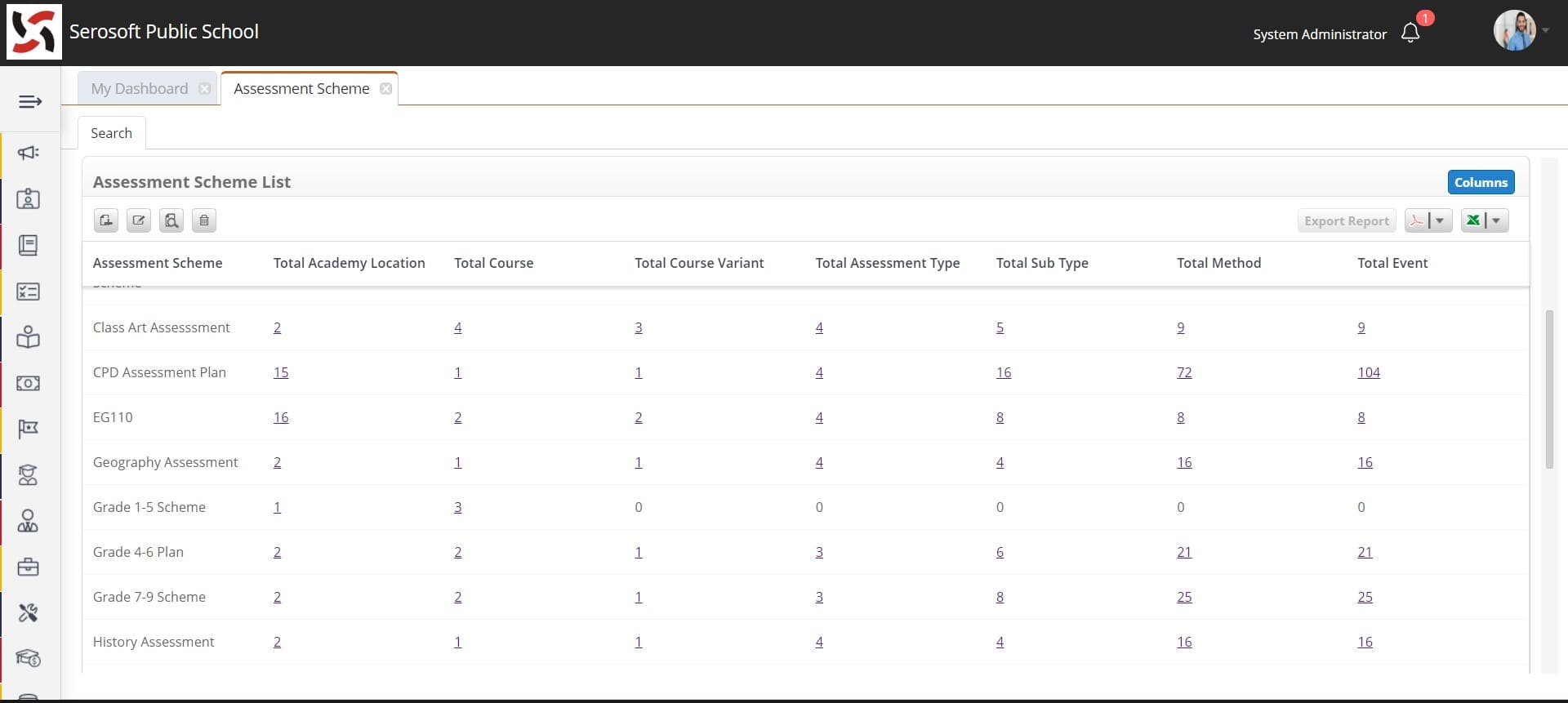
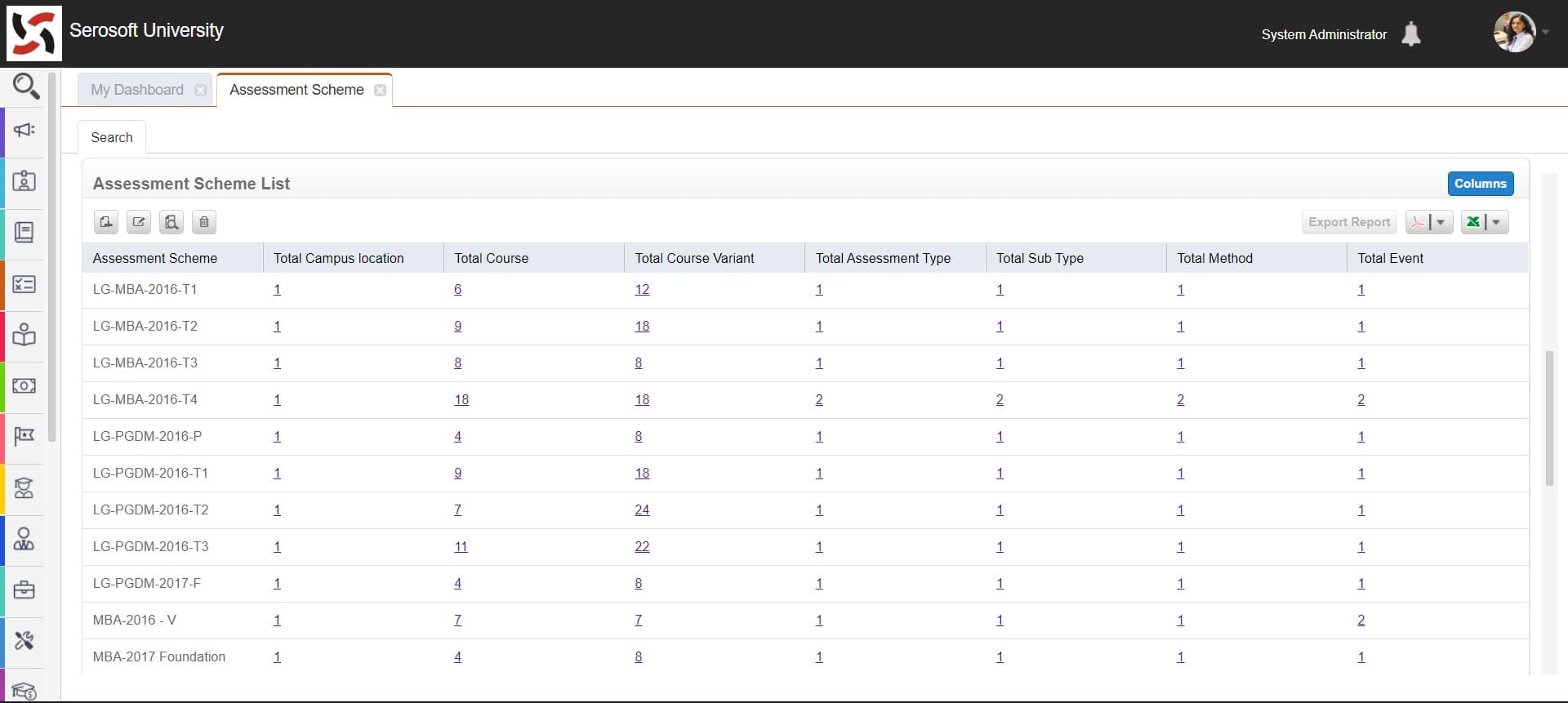
Exam Assessment Scheme for K12:

Exam Assessment Scheme (1)

Exam Assessment Scheme for Higher Ed:

Exam Assessment Scheme

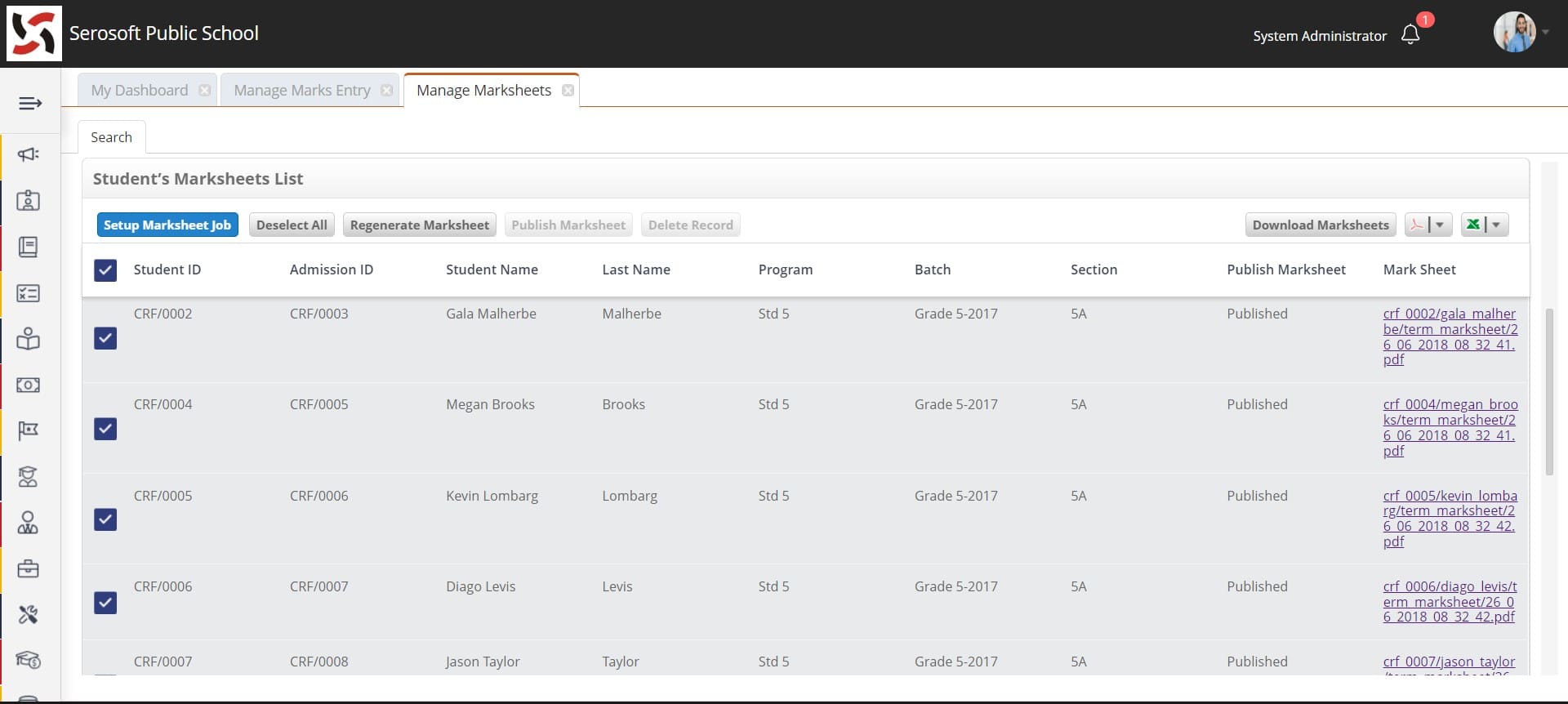
Marksheet Generation K12:

Marksheet Generation

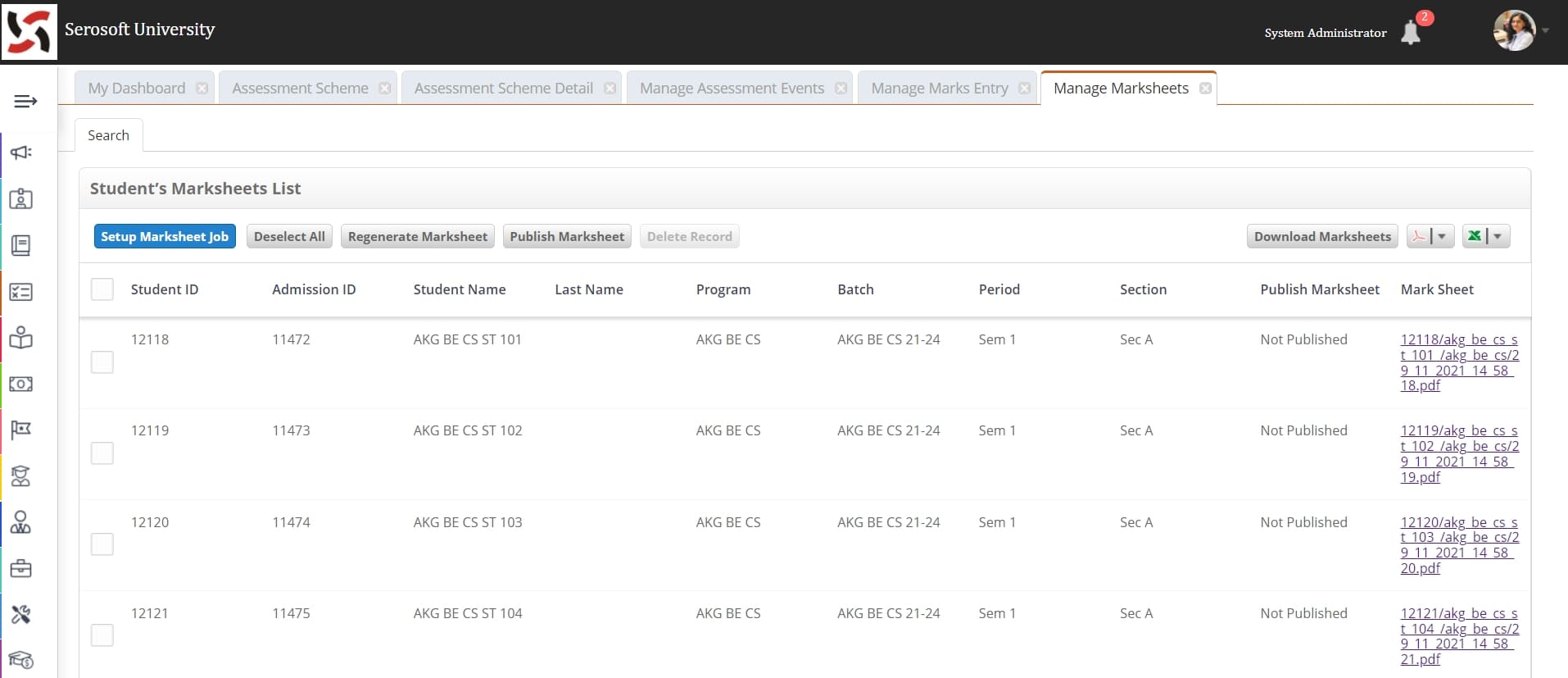
Marksheet Generation Higher Ed:

Marksheet

Know more about product with a live Academia ERP/Student Information System demo.

For instance, if the learning outcome is for students to be able to analyze and interpret statistical data, Academia ERP/SIS can provide reports on students’ performance on relevant assessments. This information can help instructors determine whether students are achieving the desired learning outcome and identify areas for improvement.

Conclusion:

Learning outcomes are crucial for guiding the teaching and learning process and evaluating student success. They provide a clear vision of what students should know and be able to do at the end of a course or program. With systems like Academia ERP/SIS, educators can effectively track and evaluate these outcomes, ensuring their educational goals are met.

Beyond the Certificate: The True Benefits of NAAC Accreditation

In higher education, quality assurance plays a crucial role in maintaining academic standards and promoting continuous improvement. In India, the National Assessment and Accreditation Council (NAAC) is an autonomous body dedicated to ensuring quality in higher education. It provides accreditation to higher education institutions based on their fulfillment of specified criteria. However, the value of NAAC accreditation extends far beyond merely receiving the certificate. It offers numerous benefits that significantly contribute to the overall development of an institution.

One of the most significant benefits of NAAC accreditation is that it publicly recognizes an institution’s quality. The accreditation status signals to potential students, parents, and employers that the institution meets or exceeds the standards set by an independent accrediting body. This recognition can enhance the institution’s reputation and standing, making it a more attractive choice for prospective students and faculty members.

Another substantial benefit of NAAC accreditation is the enhancement of quality education. The NAAC’s evaluation criteria encourage institutions to strive for excellence in all aspects of their functioning, including teaching, research, community engagement, and governance. By working towards meeting these criteria, institutions inevitably improve their educational practices and outcomes, leading to a better learning experience for students.

Furthermore, NAAC accreditation stimulates a culture of self-evaluation and continuous improvement within institutions. The process involves a thorough self-study by the institution, followed by an external review. This introspective exercise allows institutions to identify their strengths and weaknesses, leading to systematic action plans for improvement. The periodic reassessment required for maintaining accreditation ensures that institutions continually enhance their performance and quality.

NAAC accreditation also promotes accountability and transparency. The accreditation process involves a comprehensive assessment of the institution’s operations and outcomes, which are made public. This transparency ensures that institutions are accountable to their stakeholders, including students, parents, the government, and the community.

Moreover, NAAC accreditation facilitates greater collaboration and funding opportunities. Many funding agencies prefer to invest in NAAC-accredited institutions due to their demonstrated commitment to quality. Similarly, other higher education institutions in India and abroad are more likely to engage in research collaborations or student exchange programs with NAAC-accredited institutions.

Lastly, NAAC accreditation catalyzes institutional innovation. The quest for quality improvement often drives institutions to adopt innovative practices in teaching, research, administration, and student support services. These innovative practices enhance the institution’s performance and contribute to the broader higher education sector by serving as best practice models.

In today’s data-driven world, having an efficient system to manage, analyze, and report institutional data is crucial for pursuing and maintaining NAAC accreditation. This approach is where a robust Education Enterprise Resource Planning (ERP) system like Academia ERP/SIS can be incredibly beneficial.

How Academia ERP/SIS helps in achieving NAAC for your institution:

Academia ERP/SIS aids in simplifying the NAAC accreditation process with its comprehensive reporting and analytics capabilities. It allows institutions to generate precise, timely reports and provide insights for improvement, streamlining the self-study reports required for NAAC accreditation.

The Academia ERP/SIS system is an integrated platform for managing institutional data, contributing to higher education’s broader goal of quality enhancement.

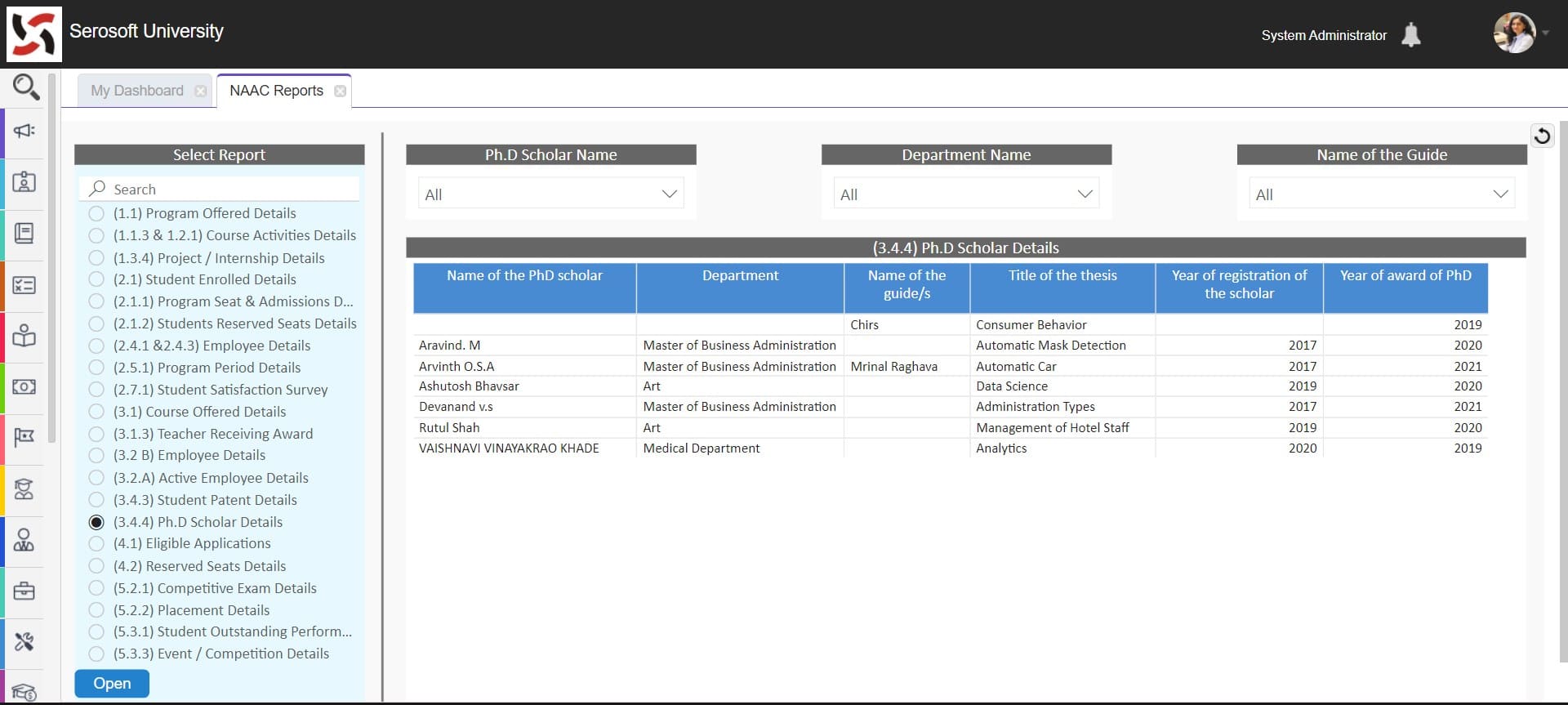
NAAC Report

Academia ERP/SIS has distinctive NAAC-centric features designed to meet the seven criteria required for Grade ‘A’ NAAC accreditation, including curricular aspects, teaching-learning and evaluation, research, consultancy, and extension, among others. It offers a range of tools, from curriculum management to tracking capabilities for various academic and administrative activities. The system’s alignment with the NAAC criteria ensures institutions are well-prepared to secure and maintain Grade ‘A’ accreditation.

In conclusion, NAAC accreditation offers benefits that extend beyond the certificate. It’s a journey towards excellence, fostering quality improvement, accountability, and innovation. With the assistance of advanced systems like Academia ERP/SIS, this journey is more efficient and rewarding. Learn more with our Education ERP/Student Information System Experts.

How to Successfully Implement Outcome-Based Education

In the ever-evolving realm of education, Outcome-Based Education (OBE) has emerged as a progressive approach emphasizing students’ mastery of subject matter. With its focus on student learning outcomes, OBE aims to ensure that students gain the necessary skills and knowledge to be successful in their chosen paths. However, as with any educational reform, implementing OBE presents its unique challenges. This blog post explores ways to overcome these obstacles and adopt OBE in educational institutions.

One of the most significant challenges of implementing OBE is the shift in educational philosophy it requires. Traditional education models are primarily teacher-centered, while OBE is student-centered. Transitioning from a teaching focus to a learning focus requires a significant shift in mindset from educators, students, and parents. Overcoming this challenge involves continuous professional development for teachers to understand and embrace the OBE approach. It also necessitates clear communication with students and parents about the benefits and expectations of OBE.

Another hurdle is the development of a suitable curriculum that clearly outlines the desired outcomes. Unlike traditional curriculums, which focus on what educators will teach, OBE curriculums are centered around what students are expected to learn and achieve. Designing such a curriculum requires careful consideration and alignment of content, instructional strategies, and assessments with the intended outcomes. Institutions can overcome this challenge by involving all stakeholders in the curriculum development process, including educators, students, parents, and even employers.

Assessment is another area where OBE diverges significantly from traditional education. OBE demands a more comprehensive and continuous assessment approach, focusing on demonstrating mastery of skills rather than rote memorization. Traditional assessments, like multiple-choice tests, may not be suitable for OBE. Instead, assessments should be project-based, allowing students to demonstrate their understanding and application of knowledge in real-world contexts. Training educators in these new assessment methods and communicating the purpose and benefits of these assessments to students and parents can help overcome this challenge.

Finally, implementing OBE requires sufficient resources, including time, technology, and training. Teachers need time to plan, develop, and assess OBE curriculums. Schools may also need to invest in new technologies and training to support OBE. Overcoming this challenge requires careful planning, budgeting, and potentially seeking additional funding sources.

As we navigate the challenges of implementing OBE, technology can be a powerful ally. A robust Education Enterprise Resource Planning (ERP) system like Academia ERP/SIS can streamline and automate many OBE processes. Academia ERP/SIS offers curriculum management features that allow institutions to align content, instruction, and assessments with desired learning outcomes. Its advanced assessment tools support various assessment methods, including project-based assessments, making it easier for educators to assess student mastery of skills. Furthermore, the system’s reporting and analytics features provide valuable insights into student performance, helping institutions continually refine their OBE implementation.

In conclusion, implementing Outcome-Based Education may be challenging but not insurmountable. With the right mindset, strategies, resources, and technological support like Academia ERP/SIS, educational institutions can successfully transition to OBE and pave the way for a more relevant, engaging, and practical education for all students.

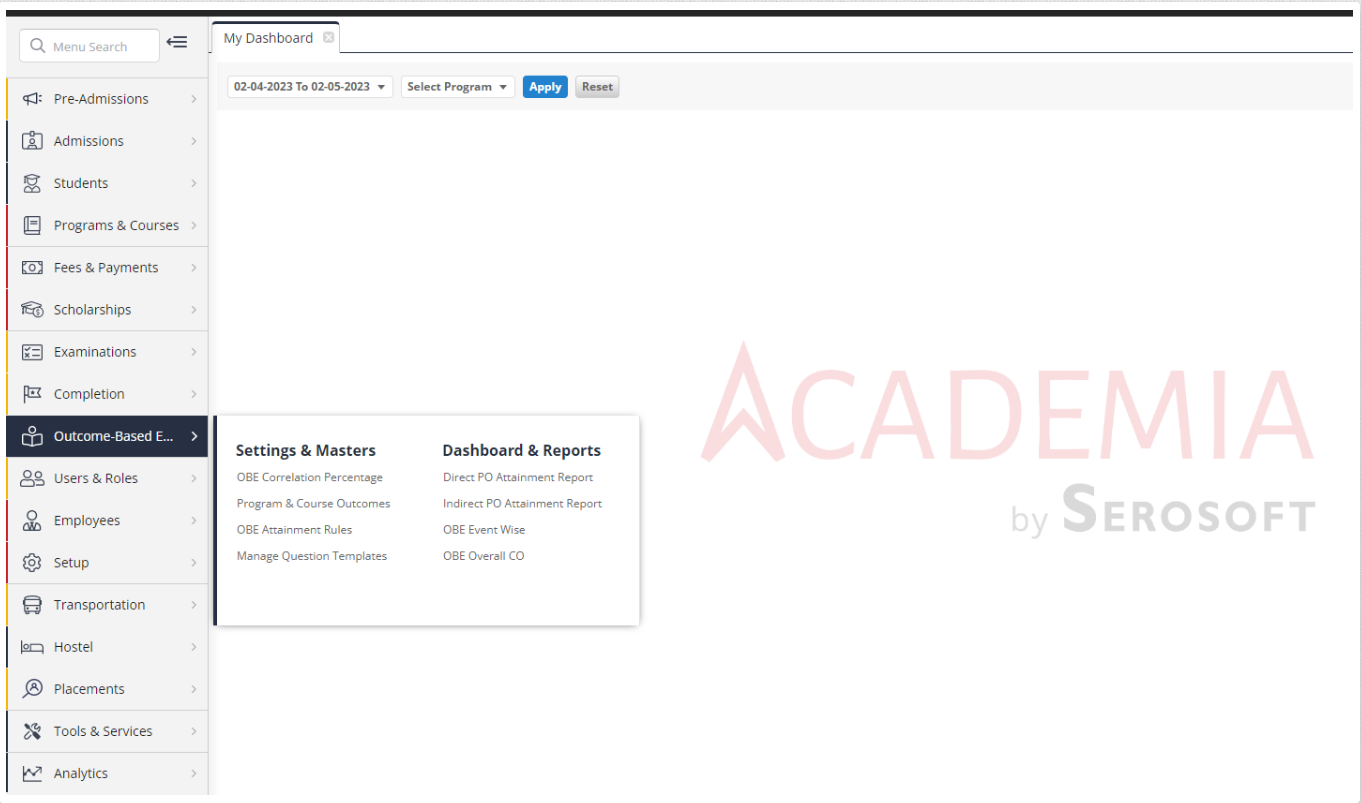
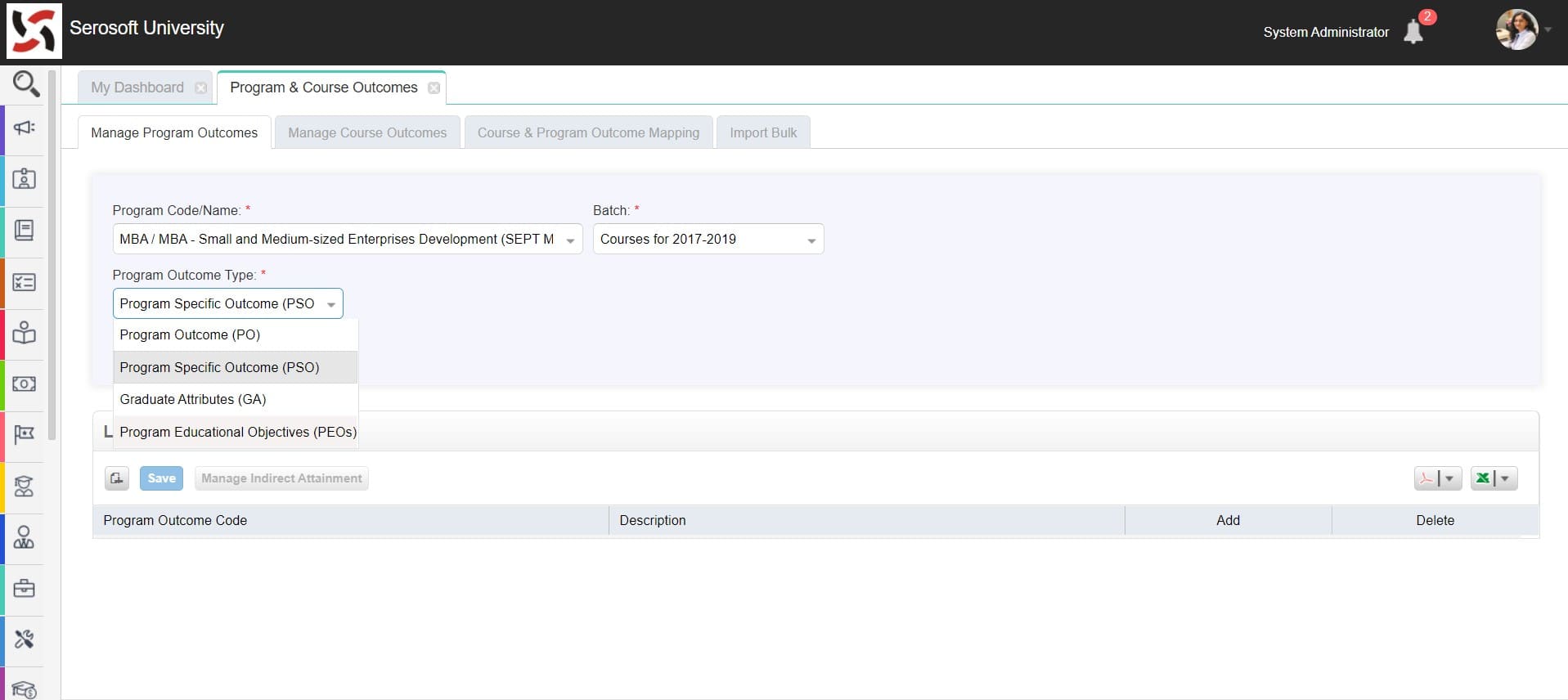
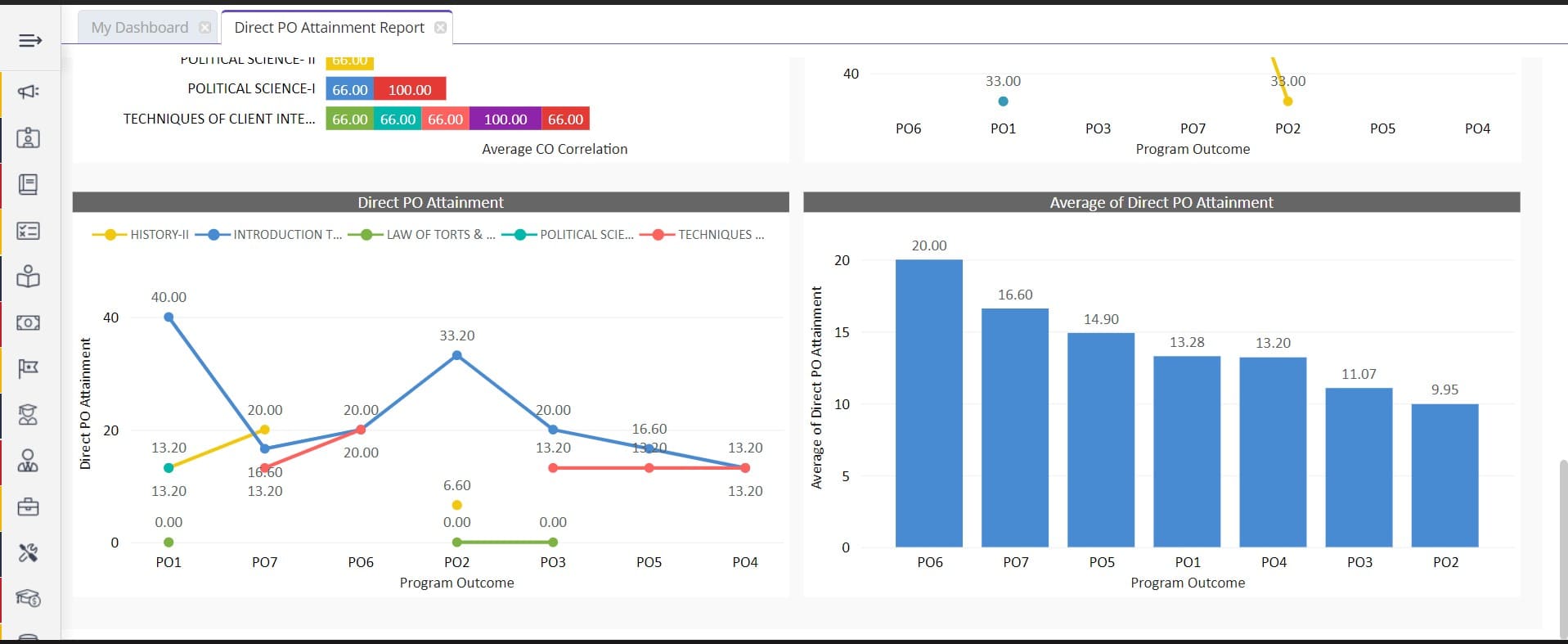
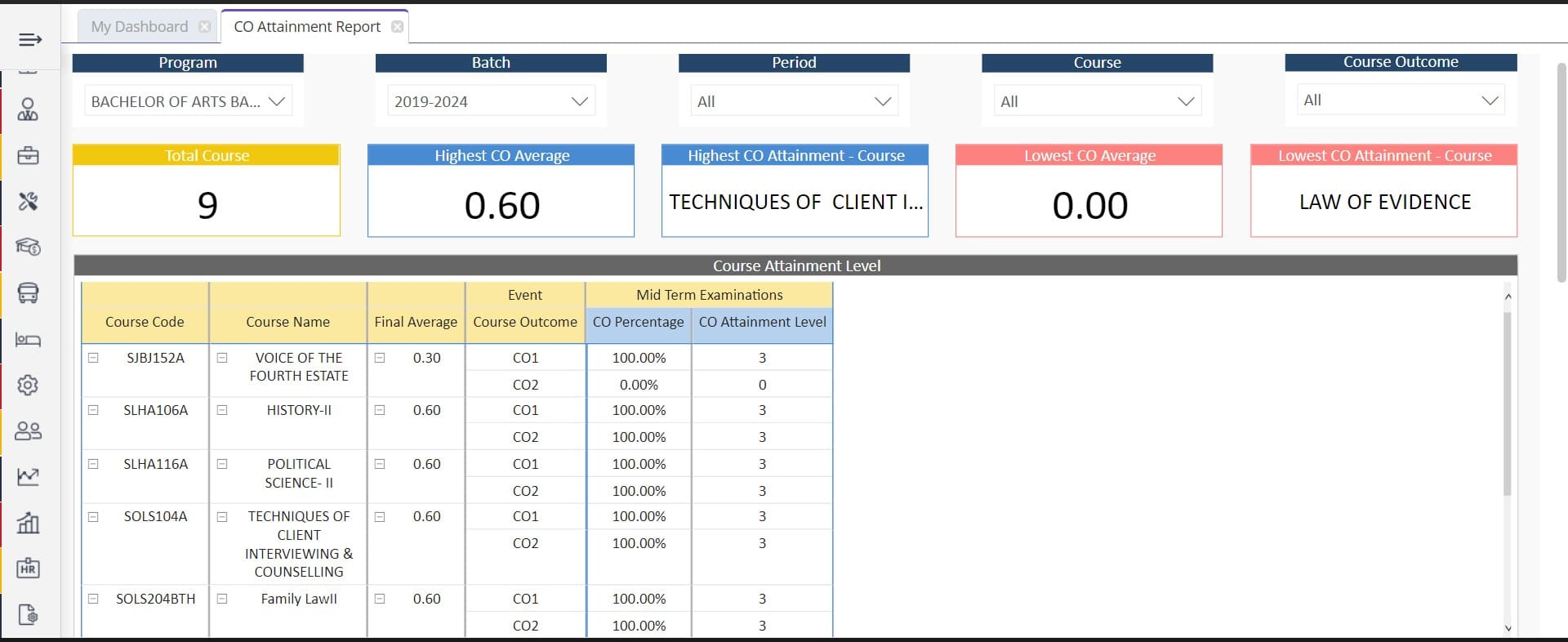
Below, you’ll find a selection of screenshots from the Academia ERP/SIS system. These images illustrate how its various features can significantly enhance the implementation and effectiveness of outcome-based education.

  1. Academia ERP OBE Options

    Academia ERP OBE Options

  2. Complete Management of Program and Course Outcome


    OBE

  3. Direct PO Attainment Report:

    Direct PO Attainment Report

  4. CO Attainment Report:

    CO Attainment Report

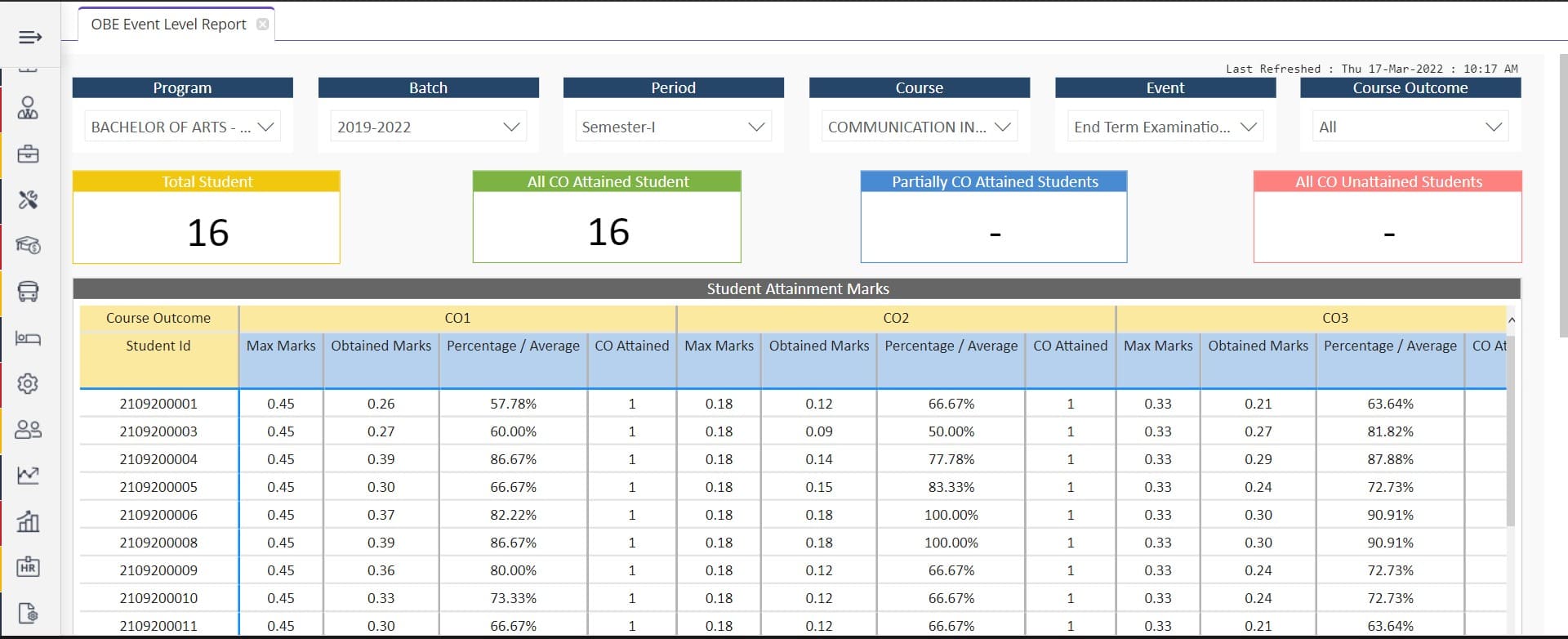
  5. OBE Event Level Report:

OBE-Event-Level

Discover more about the process of OBE implementation and how Academia ERP facilitates its successful execution. To gain a comprehensive understanding, we invite you to request a personalized demo.

The Indispensable Role of an ERP in Making Educational Institutions Future-Ready

Educational institutions constantly evolve, seeking more efficient ways to manage their diverse operations. This quest has led to the adoption of Education ERP software. Education ERP, or Enterprise Resource Planning software, is a suite of integrated applications an institution can use to collect, store, manage, and interpret data from various activities. It’s a unified system streamlining academic and administrative tasks, enhancing efficiency and effectiveness. With the advent of Cloud Education ERP, these benefits have only become more profound. So, how does an ERP contribute to making educational institutions future-ready? Let’s explore.

A Comprehensive Solution to Data Management

Educational institutions deal with vast amounts of data, ranging from student and teacher information to financial details and academic records. Managing this data manually is not only cumbersome but also prone to errors. Education ERP software is a comprehensive solution, providing a central database for easy and efficient data management. This method leads to improved decision-making, a vital attribute for institutions aiming to be future-ready.

Promoting Collaborative Learning Environment

One of the critical characteristics of future-ready institutions is a collaborative learning environment. A cloud education ERP helps to foster this by providing communication and collaboration tools. These tools facilitate real-time communication between students, teachers, parents, and administrators, promoting a more collaborative and inclusive learning environment. These features also ensure transparency, a key component for building trust in any educational institution.

Efficient Resource Management

Efficient resource management is another critical aspect of future-ready educational institutions. Education ERP software helps schools and colleges to manage their resources more effectively. This approach includes financial, inventory, human resources, and even transportation management. With all these operations streamlined, institutions can focus more on their core task – imparting education.

Enhancing Accessibility with Cloud Education ERP

Cloud-based Education ERP software is a game-changer in the realm of education. It ensures that data and applications are accessible from anywhere, anytime, and on any device with an internet connection. This feature is significant in today’s world, where remote learning has become a crucial aspect of education. By adopting a cloud education ERP, institutions can ensure they are well-equipped to handle future educational landscape changes.

Scalability for Future Growth

Scalability is a crucial factor for educational institutions planning for the future. As institutions grow, the amount of data they handle and the complexity of their operations also increase. Education ERP software offers scalability, allowing institutions to quickly expand their operations without significant infrastructure investments. This future-proofs the institutions, ensuring they can comfortably accommodate growth.

Ensuring Data Security

Data security is a primary concern for educational institutions, especially with the increasing amount of sensitive information they handle. A breach can have serious consequences, both legally and reputationally. Education ERP software has robust security measures, ensuring all data is securely stored and accessed. As we move towards an increasingly digital future, this aspect of ERP systems is invaluable.

Driving Innovation through Analytics

Innovation is a crucial trait of future-ready institutions. Education ERP software provides analytics tools to help institutions identify trends and patterns, providing insights that drive innovation. Whether it’s enhancing teaching methods, improving student performance, or optimizing resource usage, these insights can be instrumental in pushing the boundaries of what’s possible in education.

In conclusion, Education ERP software is pivotal in making educational institutions future-ready. It offers an efficient, comprehensive, scalable solution for managing operations, promoting collaboration, enhancing accessibility, ensuring data security, and driving innovation. With the added benefits of cloud technology, these systems are set to become the cornerstone of future education infrastructure, paving the way for a more efficient, inclusive, and innovative learning environment.

How does student tracking software help students & educators improve performance?

Student success is one of the most important metrics for determining the quality of education education institutes provide. Meanwhile, attaining a higher student success rate is not as problematic in colleges, and K-12 segment struggle a lot. 

In this course, a college can use modern-day technology to ensure a higher student success rate and provide the right tools to the academic staff to identify students that are at risk. 

One tool that can help you in assuring a higher student success rate is student tracking software. Most student tracking software comes in-built with education ERP software. Additional functionality allows optimal student progress tracking and measuring performance improvements. 

Key characteristics of a student tracking software

Student tracking software is generally an online system that enables educators to manage attendance, track students’ progress, upload and share assignments, organize exams and assign grades, and more. 

Student tracking helps an institute, academic staff, students, and parents. When done right, students can see their progress and understand how to improve. It helps them strategize better for their studies, gain long-term success, and choose the right career path. 

As for teachers, the tool helps them collate information from various aspects that indicate a student is at risk. This tool gives them a comprehensive report on what students are more likely to be at risk. Using the information, a teacher can prepare interventional programs to help students cope with their condition and return to the right path.

Benefits of student tracking software 

  • Accurate attendance tracking

Research indicates that attendance drops when students are less motivated or see classes or courses chosen as less relevant to their career path. 

Poor attendance is one way to identify students that are at risk. A student tracking system would allow a teacher to take day-wise and course-wise attendance of a student and generate reports. This system helps a teacher determine what students are falling behind, and they can change their teaching methodology and help students better.


  • Digital processes

Statistics is a powerful tool that helps you see the hidden patterns in the data and provide helpful information. Manually performing various operations and processes does not give scope to generate meaningful information, as it is difficult to collate the data in one place and process it to find information. 

But a student tracking software keeps a centralized database of all the student-related data. This process would allow teachers access to information faster and ensure higher productivity. This means more time can be spent with students rather than wasting on repetitive tasks.

  • Reporting and Analysis

Student tracking software makes in-depth analysis simpler and faster. Since all the data is centralized, a teacher can run various operations to generate reports to identify a student’s weaknesses, strengths, and more. It also provides reports on students’ participation in academic and non-academic activities. 

A student information system infused with AI can help you form a better understanding of your students as a group and as an individual. 

Year-Wise Application Analysis

                                                                                                         Year-Wise Application Analysis

Get the best student tracking software here! 

Academia ERP is an advanced education ERP system that can be integrated with your existing digital infrastructure. The software helps you undergo digital transformation through its 40+ modules, which include admissions, attendance, examination, fees & finances, and more. 

Managing Multiple Colleges in Multiple Cities with Academia ERP/SIS

Building a Unified Digital Infrastructure

Introduction

Managing multiple colleges across various cities can be daunting in today’s rapidly evolving educational landscape. Institutions must ensure consistent quality, streamline administrative processes, and maintain effective communication channels. One of the most powerful solutions to address these challenges is implementing a centralized system like Academia ERP/SIS. This blog post will explore the benefits of using Academia ERP/SIS as a unified digital infrastructure for managing multiple colleges in multiple cities.

  • Centralized Data Management

Managing data across multiple colleges can be complex and time-consuming. With Academia ERP/SIS, institutions can centralize their data management, allowing easy access to critical information, such as student records, faculty details, course offerings, and financial data. Centralized data management leads to improved data accuracy, consistency, and security, ultimately enhancing decision-making processes and overall institutional efficiency.

  • Streamlined Administrative Processes

Academia ERP/SIS can help institutions automate various administrative tasks, such as enrollment, course registration, attendance tracking, and fee management. By automating these processes, institutions can save time, reduce human error, and ensure a consistent experience for students and staff across all locations. Streamlined administrative processes also allow institutions to allocate resources more effectively and focus on strategic initiatives to drive growth and success.

  • Enhanced Collaboration and Communication

A centralized system like Academia ERP/SIS can facilitate seamless collaboration and communication among faculty, students, and staff across multiple colleges. Institutions can foster a more cohesive learning environment and strengthen their academic community by providing a unified platform for sharing information, resources, and best practices. Enhanced collaboration and communication can also lead to the developing of innovative and interdisciplinary programs, further boosting the institution’s reputation and attractiveness.

  • Simplified Reporting and Analytics

Implementing Academia ERP/SIS enables institutions to access real-time data and generate comprehensive reports on their operations, such as student performance, enrollment trends, and financial performance. With simplified reporting and analytics, institutions can make more informed decisions and identify areas for improvement, leading to more effective management and strategic planning across all colleges.

  • Consistent Student Experience

A centralized system like Academia ERP/SIS ensures that students receive a consistent experience, regardless of the college or city they are studying in. This consistency can lead to increased student satisfaction, better retention rates, and a stronger reputation for the institution. In addition, a unified platform can help institutions better understand student needs and preferences, enabling them to tailor their offerings and support services accordingly.

  • Scalability and Flexibility

Academia ERP/SIS is designed to grow with your institution, providing the scalability and flexibility to manage multiple colleges across various cities. As your institution expands, the centralized system can easily adapt to accommodate new locations, courses, and programs. This scalability and flexibility allow institutions to remain agile and responsive to changing market conditions and student needs.

  • Cost-Efficiency

Investing in a centralized system like Academia ERP/SIS can save significant costs for institutions managing multiple colleges. Institutions can achieve greater cost-efficiency and strategically allocate resources by streamlining processes, reducing administrative burdens, and eliminating the need for multiple standalone systems.

Conclusion

Managing multiple colleges in multiple cities can be a complex and challenging endeavor. By implementing a centralized system like Academia ERP/SIS, institutions can build a unified digital infrastructure that streamlines processes, enhances collaboration, and drives efficiency. Embracing Academia ERP/SIS as a core component of your institution’s digital transformation strategy can improve outcomes, greater student satisfaction, and long-term success in an increasingly competitive higher education landscape.

Meeting Student Expectations: Future Readiness Preparation

Empowering Student Preparation: The Role of Student Information Systems

Introduction

As the world of work continues to evolve, students are increasingly looking to their higher education institutions for guidance and support in preparing for the future. Institutions must understand what students want from future readiness preparation and how they can effectively leverage Student Information Systems (SIS) to address these needs. In this article, we will explore the key aspects of future readiness preparation that students desire and how implementing a modern SIS can help institutions meet these expectations.

  • Personalized Career Guidance and Support

Students seek tailored career guidance and support to help them navigate the complex and ever-changing job market. SIS can assist institutions in providing personalized advice by collecting and analyzing data on students’ interests, skills, and academic performance. This information can then be used to create individualized career plans, recommend suitable courses and extracurricular activities, and connect students with relevant internship and job opportunities.

  • Real-World Skills Development

In addition to traditional academic knowledge, students want to develop the real-world skills required for success in their chosen careers. SIS can help institutions identify skill gaps and develop targeted programs and initiatives to address them. By tracking student progress and outcomes, institutions can continuously refine their offerings to ensure they remain relevant and effective in preparing students for the future.

  • Enhanced Collaboration and Networking Opportunities

Students are increasingly aware of the importance of networking and collaboration for career success. A modern SIS can facilitate collaboration and networking by enabling institutions to create online communities, discussion forums, and platforms for students to connect with their peers, alumni, and industry professionals. This technique can help students build valuable relationships, exchange ideas, and access resources to support their future readiness preparation.

  • Access to Mentorship and Professional Development

Mentorship and professional development opportunities are essential for students as they prepare for their future careers. SIS can support institutions in connecting students with suitable mentors, both from within the institution and from external industry professionals. In addition, SIS can help institutions track and manage professional development events, workshops, and training sessions to ensure students have access to the resources they need to grow and succeed.

  • Exposure to Industry Trends and Insights

To be adequately prepared for the future, students need to stay informed about the latest trends and developments in their chosen industries. By integrating external data sources and platforms, SIS can help institutions provide students with up-to-date industry information. This approach can enable institutions to offer tailored content, resources, and events to help students stay ahead of the curve and make informed decisions about their future careers.

  • Comprehensive Support for International Students

For many international students, preparing for the future involves navigating the complexities of studying and working in a new country. SIS can assist institutions in providing comprehensive support for international students by streamlining visa processing, managing compliance requirements, and offering tailored resources and services to address their unique needs and challenges.

Conclusion

Understanding and addressing what students want from future readiness preparation is crucial for higher education institutions to remain competitive and relevant. By leveraging the power of modern Student Information Systems, institutions can effectively provide personalized career guidance, real-world skills development, collaboration and networking opportunities, mentorship and professional development, industry insights, and comprehensive support for international students. By doing so, institutions can help students prepare for the future and attract and retain top talent, ultimately contributing to their long-term success.

Next-Generation Student Information Systems Explained

Introduction

Institutions must continuously adapt and innovate to succeed strategically in an increasingly competitive higher education landscape. One of the most effective ways to do this is by adopting modern Student Information Systems (SIS). These advanced platforms, including improved efficiency, data-driven decision-making, and enhanced student experiences, can benefit higher education institutions. This blog post delves into the advantages of adopting modern higher ed SIS and how they can help institutions find strategic success.

  • Streamlining Administrative Processes

One of the primary benefits of adopting a modern SIS is the streamlining of administrative processes. A robust SIS can automate student enrollment, course registration, grade management, and financial aid processing tasks. By eliminating manual processes and reducing the risk of human error, institutions can save time, reduce costs, and focus on more strategic initiatives to drive success.

  • Enhancing Data-Driven Decision Making

Modern higher-ed SIS platforms allow institutions to collect, analyze, and visualize vast amounts of data from various sources. This information can be leveraged to make data-driven decisions on crucial aspects of institutional operations, such as resource allocation, program development, and student support services. By embracing data-driven decision-making, institutions can improve their effectiveness and efficiency, leading to better outcomes and strategic success.

  • Improving Student Experience and Engagement

A modern SIS can significantly enhance the student experience by offering user-friendly online portals and mobile apps to access essential information and services. This approach to increased accessibility and convenience can lead to higher levels of student engagement and satisfaction, ultimately contributing to improved retention rates and overall success. Additionally, SIS platforms can help institutions better understand student preferences and needs, allowing them to tailor their offerings and support services accordingly.

  • Supporting Strategic Enrollment Management

Strategic enrollment management is crucial for higher education institutions to achieve enrollment goals and maintain financial sustainability. Modern SIS platforms can aid institutions in developing data-driven enrollment strategies by providing insights into applicant demographics, academic performance, and other factors. By leveraging this data, institutions can more effectively target their marketing efforts, identify areas for improvement, and develop initiatives to attract and retain students.

  • Fostering Collaboration and Partnerships

In today’s interconnected world, collaboration and partnerships between higher education institutions are essential to drive innovation and share resources. Modern SIS platforms can facilitate these collaborations by enabling institutions to share data, insights, and best practices and co-create joint programs and initiatives. By fostering collaboration and partnership, institutions can expand their reach, improve their offerings, and achieve greater strategic success.

  • Promoting Diversity and Inclusion

Modern SIS platforms can help institutions in their efforts to promote diversity and inclusion. Institutions can identify underrepresented populations and develop targeted recruitment and retention initiatives by providing insights into student demographics and enrollment patterns. By advertising diversity and inclusion, institutions can attract a broader range of students and create a more enriching learning environment, contributing to overall strategic success.

  • Enhancing Institutional Agility and Responsiveness

Institutions must be agile and responsive in the ever-changing landscape of higher education to stay ahead of the competition. Adopting a modern SIS can help institutions become more agile by providing real-time data and insights that enable them to quickly adapt their strategies and offerings in response to emerging trends and challenges. This way, increased agility, and responsiveness can improve outcomes and long-term strategic success.

  • Strengthening Compliance and Reporting

Higher education institutions must comply with various regulations and reporting requirements at the local, state, and federal levels. Modern SIS platforms can simplify compliance and reporting processes by automating essential data collection, storage, and submission. By streamlining these processes, institutions can reduce the risk of non-compliance, minimize administrative burdens, and free up resources to focus on more strategic initiatives.

  • Supporting Student Success and Retention

Attracting and enrolling students is just one part of the equation; institutions must also focus on student success and retention to achieve long-term strategic success. A modern SIS can play a critical role in this area by providing institutions with the tools to monitor student progress, identify at-risk individuals, and develop targeted support programs. By leveraging the power of SIS to support student success, institutions can improve retention rates, enhance their reputation, and attract more students in the long run.

  • Facilitating Continuous Improvement and Innovation

Finally, adopting a modern SIS can help institutions foster a culture of continuous improvement and innovation. By providing ongoing access to data, insights, and performance metrics, SIS platforms enable institutions to identify areas for improvement, develop new initiatives, and iterate on existing programs and services. This commitment to continuous improvement and innovation can help institutions stay ahead of the competition and achieve lasting strategic success.

Conclusion

Adopting a modern higher ed Student Information System can unlock many benefits for higher education institutions, paving the way for strategic success. Institutions can more effectively compete in today’s higher education landscape by streamlining administrative processes, enhancing data-driven decision-making, and improving the student experience. Embracing the power of modern SIS platforms can transform institutions’ operations and lay the foundation for long-term success in an ever-evolving environment.

Boosting Enrollment: Revolutionizing Recruitment with SIS

Embracing the Future of Higher Education Recruitment

Introduction

Higher education institutions face unprecedented challenges in attracting and retaining students in today’s fast-paced world. As a result, institutions must continually adapt and evolve their recruitment strategies to stay relevant and competitive. One such innovation is the adoption of Student Information Systems (SIS) to streamline and enhance the enrollment process. This blog post delves into the latest trends in higher education recruitment and how implementing SIS can boost enrollment and foster a better student and institution experience.

  • Personalization in Recruitment

One of the most significant trends in higher education recruitment is the shift toward personalization. Prospective students now expect institutions to cater to their unique needs, interests, and aspirations. SIS allows higher education institutions to collect and analyze vast amounts of data on applicants, which can be used to create targeted marketing campaigns and tailor communications to individual preferences. This personalized approach not only helps to increase the likelihood of enrollment but also fosters strong relationships with prospective students.

  • Leveraging Social Media and Online Platforms

Another crucial trend in higher education recruitment is the increased focus on digital marketing and online presence. SIS enables institutions to harness the power of social media, online advertising, and content marketing to reach potential students. By integrating SIS with social media platforms, institutions can more easily track and analyze the effectiveness of their campaigns, allowing them to optimize their digital marketing strategies to maximize engagement and conversions.

  • Emphasizing Value and Outcomes

With rising tuition costs and an increasingly competitive job market, prospective students are more focused than ever on the value and outcomes of their chosen higher education institution. SIS can help institutions to showcase their unique selling points, such as high graduate employment rates, strong industry partnerships, and notable alumni, by providing data-driven insights to create compelling marketing materials. By emphasizing these factors, institutions can better communicate the value of their programs to potential students and encourage enrollment.

  • Enhancing the Application Process

A smooth and straightforward application process is essential to attract and retain prospective students. SIS can help streamline this process by automating various administrative tasks, such as application tracking, document management, and applicant communication. SIS can also enable institutions to create user-friendly online application portals, making it easier for students to submit their applications and track their progress. By simplifying and enhancing the application process, institutions can increase the likelihood of enrollment and reduce dropout rates during the admissions process.

  • Data-Driven Decision Making

In today’s data-driven world, higher education institutions must leverage the power of data to make informed decisions about recruitment strategies. SIS can provide valuable insights into trends, patterns, and student preferences by collecting, analyzing, and visualizing data from various sources. This information can then be used to make data-driven decisions about recruitment campaigns, program offerings, and resource allocation. By embracing data-driven decision-making, institutions can improve their effectiveness and efficiency in attracting and enrolling students.

  • Promoting Diversity and Inclusivity

An increasingly important factor for prospective students when selecting a higher education institution is its commitment to diversity and inclusivity. SIS can assist institutions in achieving these goals by identifying underrepresented populations, analyzing demographic data, and developing targeted recruitment campaigns. By promoting diversity and inclusivity, institutions can attract a wider range of students and foster a more enriching learning environment.

  • Fostering Collaboration and Partnership

In today’s interconnected world, collaboration and partnership between higher education institutions are essential to drive innovation and share resources. SIS can facilitate these collaborations by enabling institutions to share data, insights, and best practices and co-create joint programs and initiatives. By fostering collaboration and partnership, institutions can expand their reach and improve their offerings, ultimately attracting more students and boosting enrollment.

  • Supporting Student Success and Retention

Attracting students is only half the battle; institutions must also focus on student success and retention. SIS can play a critical role in this area by providing institutions with the tools to monitor student progress, identify at-risk individuals, and develop targeted support programs. By leveraging SIS to support student success, institutions can improve retention rates, enhance their reputation, and attract more students in the long run.

Conclusion

The higher education landscape constantly evolves, and institutions must adapt to stay competitive. By embracing the latest trends in recruitment, such as personalization, digital marketing, and data-driven decision-making, higher education institutions can attract and retain students more effectively. Implementing Student Information Systems is a powerful way to streamline processes, gain valuable insights, and foster a better experience for students and institutions. By leveraging the power of SIS, higher education institutions can successfully navigate the challenges of today’s recruitment landscape and boost enrollment for a brighter future.

Back to top